Cocaine Reduces Ciliary Beat Frequency of Human Nasal Epithelial Cells
- PMID: 33144435
- PMCID: PMC7811604
- DOI: 10.21873/invivo.12166
Cocaine Reduces Ciliary Beat Frequency of Human Nasal Epithelial Cells
Abstract
Background/aim: Cocaine is a widely used recreational drug and is known for its nasal complications including epithelial, cartilage and bone damage. The aim of the study was to analyze the impact of cocaine on ciliary beat frequency (CBF) of human nasal epithelial cells and therefore better understand its side effects on nasal mucosa.
Materials and methods: Nasal epithelial cells of 21 healthy subjects were harvested and exposed in vitro to cocaine hydrochloride solutions ranging from 0.875% to 7%. High-speed video footage was acquired with phase contrast microscopy and CBF was analyzed with Sissons-Ammons Video Analysis (SAVA) software.
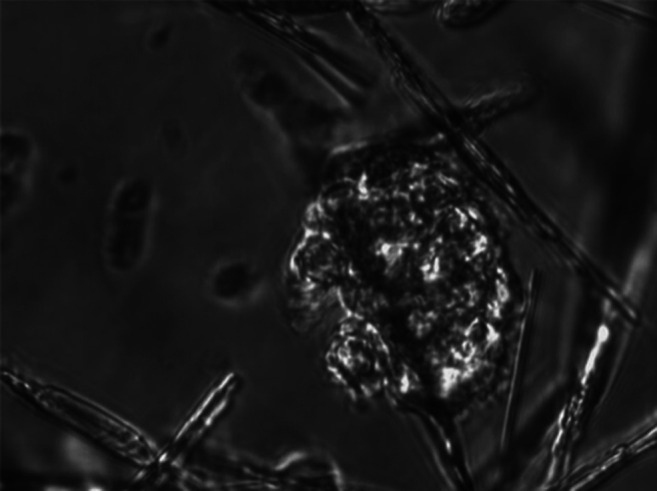
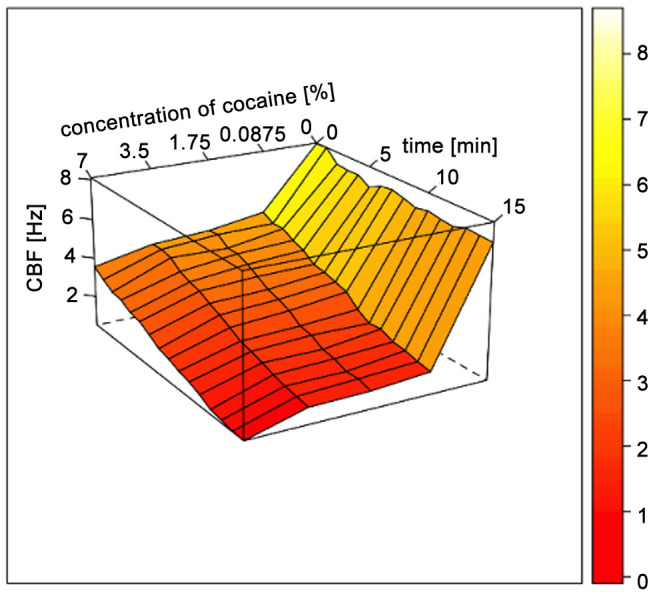
Results: All tested concentrations led to a significant reduction in CBF compared to the control. Effects increased over time and with concentration. A mechanical inhibition of cilia by cocaine crystals was also observed.
Conclusion: We assume that CBF reduction is part of the pathomechanism leading to nasal complications in cocaine abuse. Considering these results, clinical usage of cocaine should be critically evaluated and restricted to select cases only.
Keywords: Cocaine; ciliary beat frequency (CBF); human nasal epithelial cells.
Copyright© 2020, International Institute of Anticancer Research (Dr. George J. Delinasios), All rights reserved.
Conflict of interest statement
The Authors declare that they have no conflicts of interest.
Figures
References
-
- Gaedcke F. Ueber das erythroxylin, dargestellt aus den blättern des in südamerika cultivirten strauches erythroxylon coca lam. Archiv der Pharmazie. 1855;132(2):141–150.
-
- Koller C. Vorläufige mittheilung über locale anästhesirung am auge. Bericht über die sechzehnte versammlung der ophthalmologischen gesellschaft. Rostock: Adler. 1884:60–63.
MeSH terms
Substances
LinkOut - more resources
Full Text Sources