


Ultrasound evaluation of the patellar tendon and Achilles tendon and its association with future pain in distance runners
- PMID: 33153352
- PMCID: PMC8648045
- DOI: 10.1080/00913847.2020.1847004
Ultrasound evaluation of the patellar tendon and Achilles tendon and its association with future pain in distance runners
Abstract
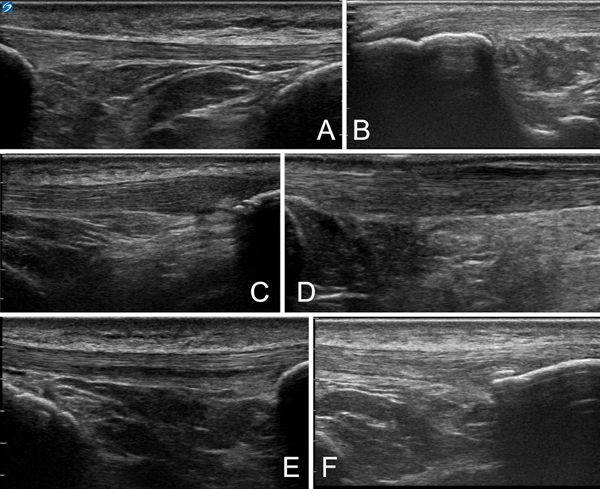
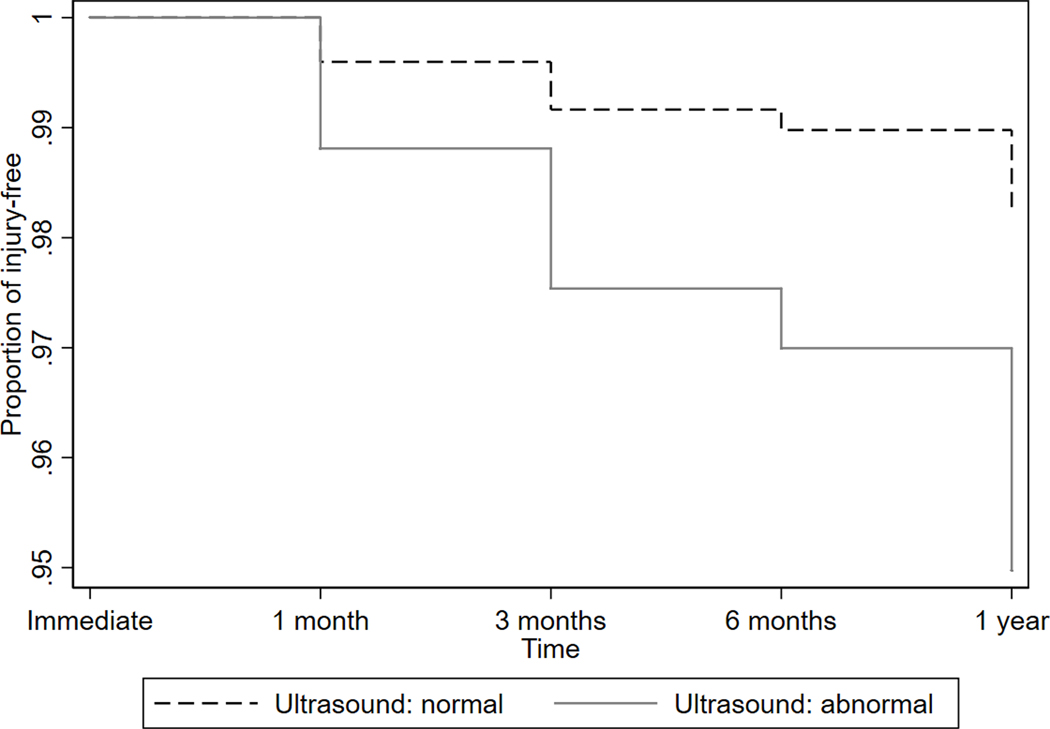
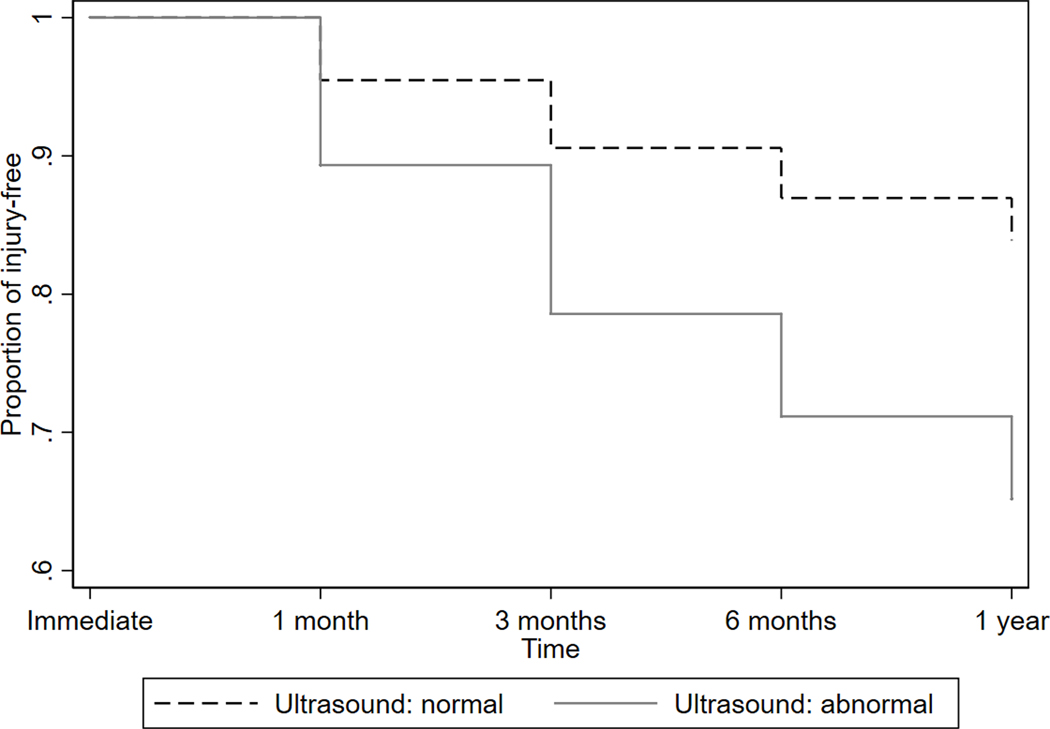
Objectives: To examine whether asymptomatic ultrasonographic abnormalities in the Achilles and patellar tendons in runners are associated with an increased risk of pain development.Methods: This is a longitudinal, prospective cohort study with 139 runners recruited at a half and full marathon race. Ultrasound examination of the Achilles and patellar tendons was performed bilaterally the day prior to the race. Self-reported injury data were collected at 1, 3, 6 and 12 months. 104 (74.8%) runners were included in the data analysis.Results: Ultrasonographic tendon abnormalities were found in 24.1% of the Achilles and in 23.1% of the patellar tendons prior to the race. Runners with tendon abnormality were 2-3 times more likely to develop pain within 12 months than those without (relative risk = 3.14, p = 0.010 for Achilles; relative risk = 2.52, p = 0.008 for patellar tendon). After adjusting for gender, age, years of running, average miles per week of running over a year, and pre-race pain, runners with ultrasound abnormality were about 3 times (hazard ratio = 2.89, p = 0.039 for Achilles; hazard ratio = 2.73, p = 0.030 for patellar tendon) more likely to develop pain after the race. Tendon delamination was most strongly associated with pain in both the Achilles (relative risk = 6.00; p = 0.001) and patellar tendons (relative risk = 3.81; p = 0.001).Conclusions: Structural changes in asymptomatic tendons were found in almost 25% of runners. Presence of structural changes was associated with increased development of Achilles and patellar tendon pain within one year.
Keywords: Sonography; overuse; primary prevention; runners; tendinopathy; ultrasonography.
Figures
References
-
- de Jonge S, van den Berg C, de Vos RJ, et al. Incidence of midportion Achilles tendinopathy in the general population. Br J Sport Med. 2011/09/20. 2011;45:1026–1028. - PubMed
-
- Hagglund M, Zwerver J, Ekstrand J. Epidemiology of patellar tendinopathy in elite male soccer players. Am J Sport Med. 2011/06/07. 2011;39:1906–1911. - PubMed
-
- Jarvinen TA, Kannus P, Maffulli N, et al. Achilles tendon disorders: etiology and epidemiology. Foot Ankle Clin. 2005;10:255–266. - PubMed
-
- Shaikh Z, Perry M, Morrissey D, et al. Achilles tendinopathy in club runners. Int J Sport Med. 2012/03/02. 2012;33:390–394. - PubMed
-
- Sobhani S, Dekker R, Postema K, et al. Epidemiology of ankle and foot overuse injuries in sports: A systematic review. Scand J Med Sci Sport. 2012/08/01. 2013;23:669–686. - PubMed
Publication types
MeSH terms
Grants and funding
LinkOut - more resources
Full Text Sources
Medical
