Review
. 2021 Jan;1875(1):188464.
doi: 10.1016/j.bbcan.2020.188464. Epub 2020 Nov 4.

Altered glycosylation in cancer: A promising target for biomarkers and therapeutics

Affiliations
Review

Altered glycosylation in cancer: A promising target for biomarkers and therapeutics

Divya Thomas et al. Biochim Biophys Acta Rev Cancer. 2021 Jan.

Abstract

Glycosylation is a well-regulated cell and microenvironment specific post-translational modification. Several glycosyltransferases and glycosidases orchestrate the addition of defined glycan structures on the proteins and lipids. Recent advances and systemic approaches in glycomics have significantly contributed to a better understanding of instrumental roles of glycans in health and diseases. Emerging research evidence recognized aberrantly glycosylated proteins as the modulators of the malignant phenotype of cancer cells. The Cancer Genome Atlas has identified alterations in the expressions of glycosylation-specific genes that are correlated with cancer progression. However, the mechanistic basis remains poorly explored. Recent researches have shown that specific changes in the glycan structures are associated with 'stemness' and epithelial-to-mesenchymal transition of cancer cells. Moreover, epigenetic changes in the glycosylation pattern make the tumor cells capable of escaping immunosurveillance mechanisms. The deciphering roles of glycans in cancer emphasize that glycans can serve as a source for the development of novel clinical biomarkers. The ability of glycans in intervening various stages of tumor progression and the biosynthetic pathways involved in glycan structures constitute a promising target for cancer therapy. Advances in the knowledge of innovative strategies for identifying the mechanisms of glycan-binding proteins are hoped to hold great potential in cancer therapy. This review discusses the fundamental role of glycans in regulating tumorigenesis and tumor progression and provides insights into the influence of glycans in the current tactics of targeted therapies in the clinical setting.

Keywords: Biomarker; Cancer; Glycans; Glycoconjugate drugs; Glycosyltransferases; Vaccines.


Conflict of interest statement

Declaration of Competing Interest

The authors declare no conflicts of interest.

Figures
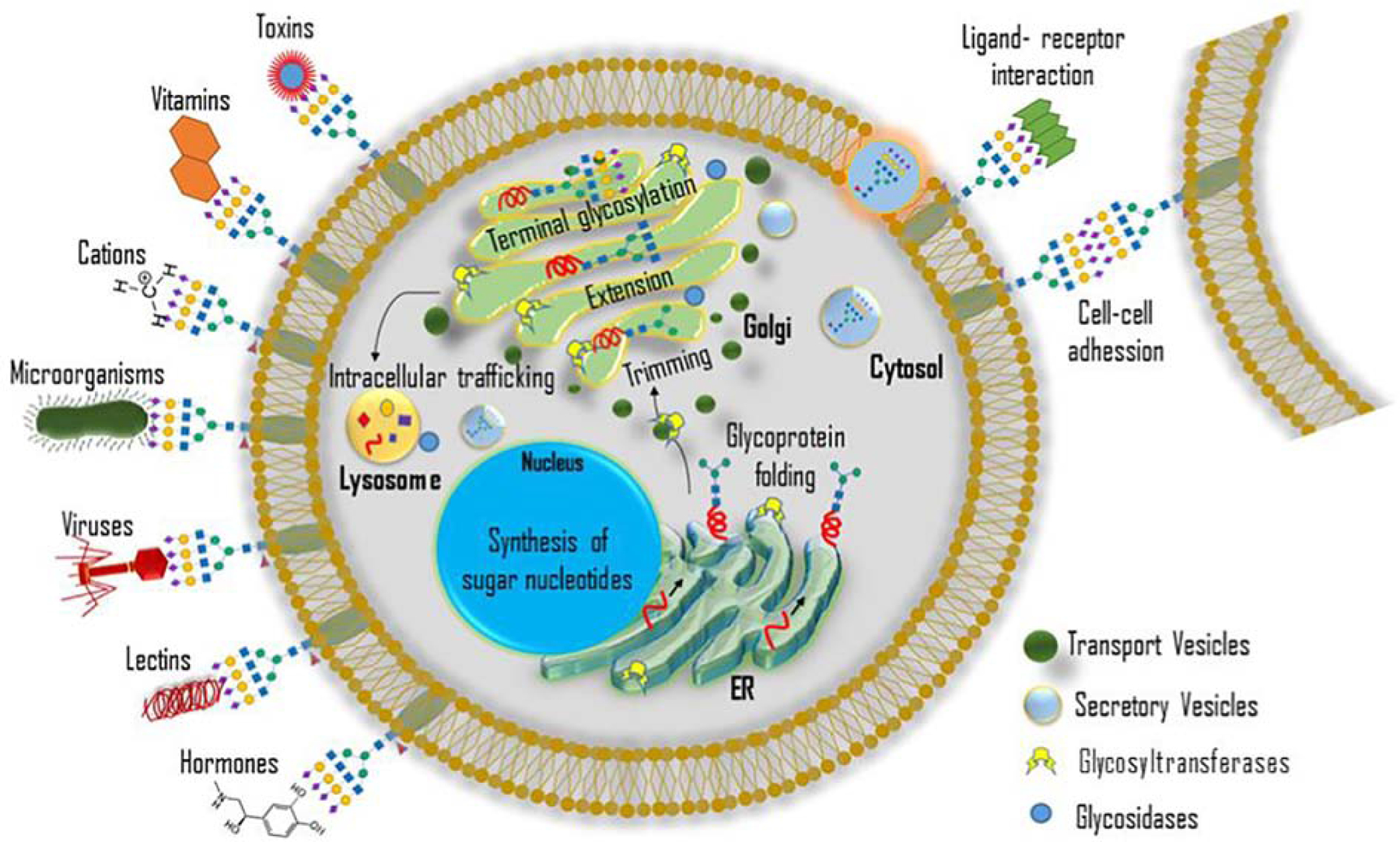
Figure 1:
Figure 1:. Cellular regulation of glycan expression and function.
Initiation and maturation of glycoproteins occur in the ER-Golgi complex. Nucleotide sugar donors transport to the ER, and the folding of glycoproteins takes place in the ER. Trimming, extension, and terminal glycosylation occur in the Golgi apparatus. Glycans participate in the nascent protein folding and intracellular trafficking. The secretory vesicles transport the glycoproteins to the cell surface. Glycoproteins possess specific functions on cell surfaces such as cell-cell adhesion, ligand-receptor interaction, protecting from pathogens, providing receptors for toxins, etc.
Figure 2:
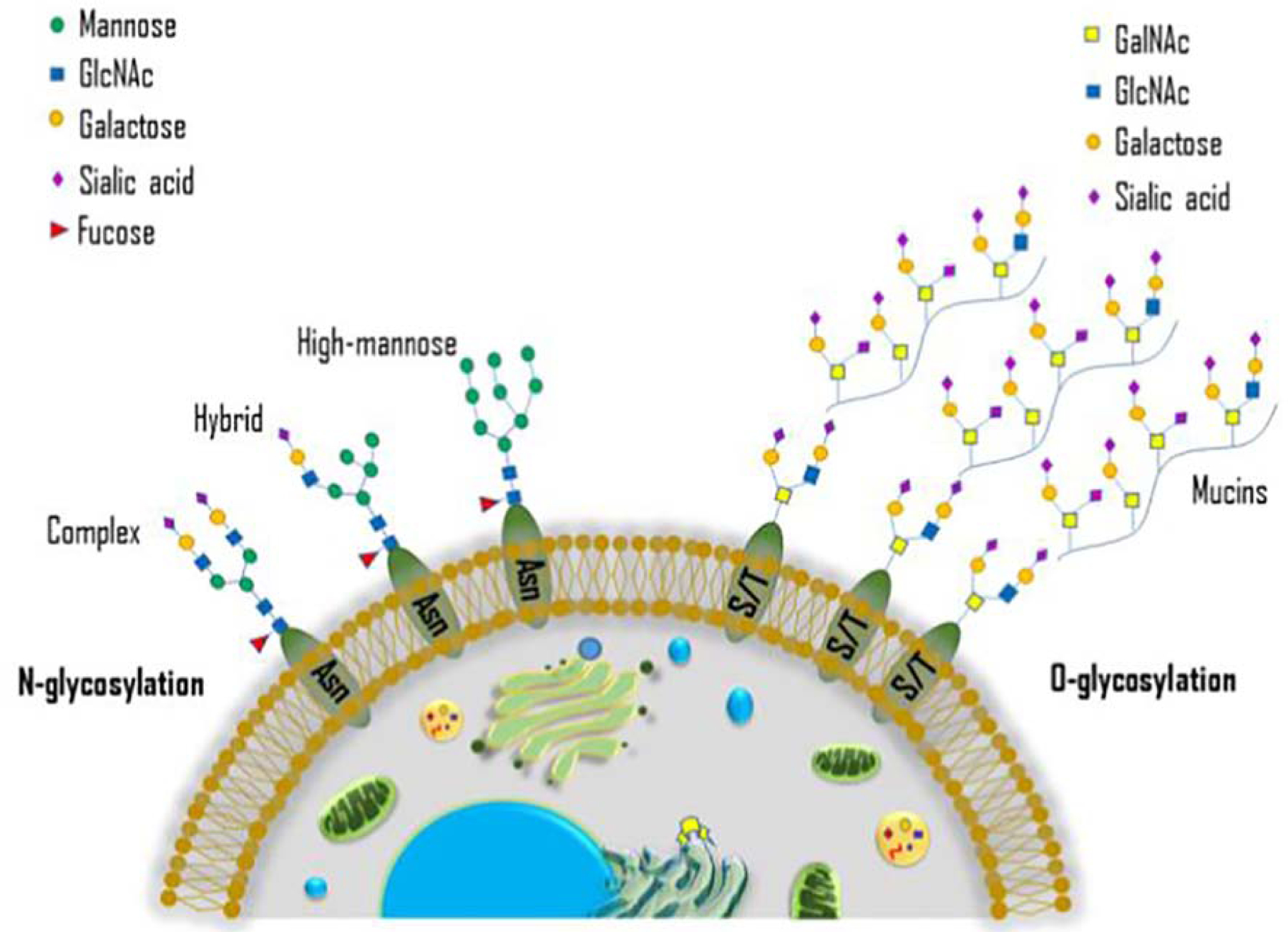
Figure 2:. Schema of N- and O-linked glycans.
The conserved N-glycosylation and O-glycosylation core structure on the cell surface.
Figure 3:
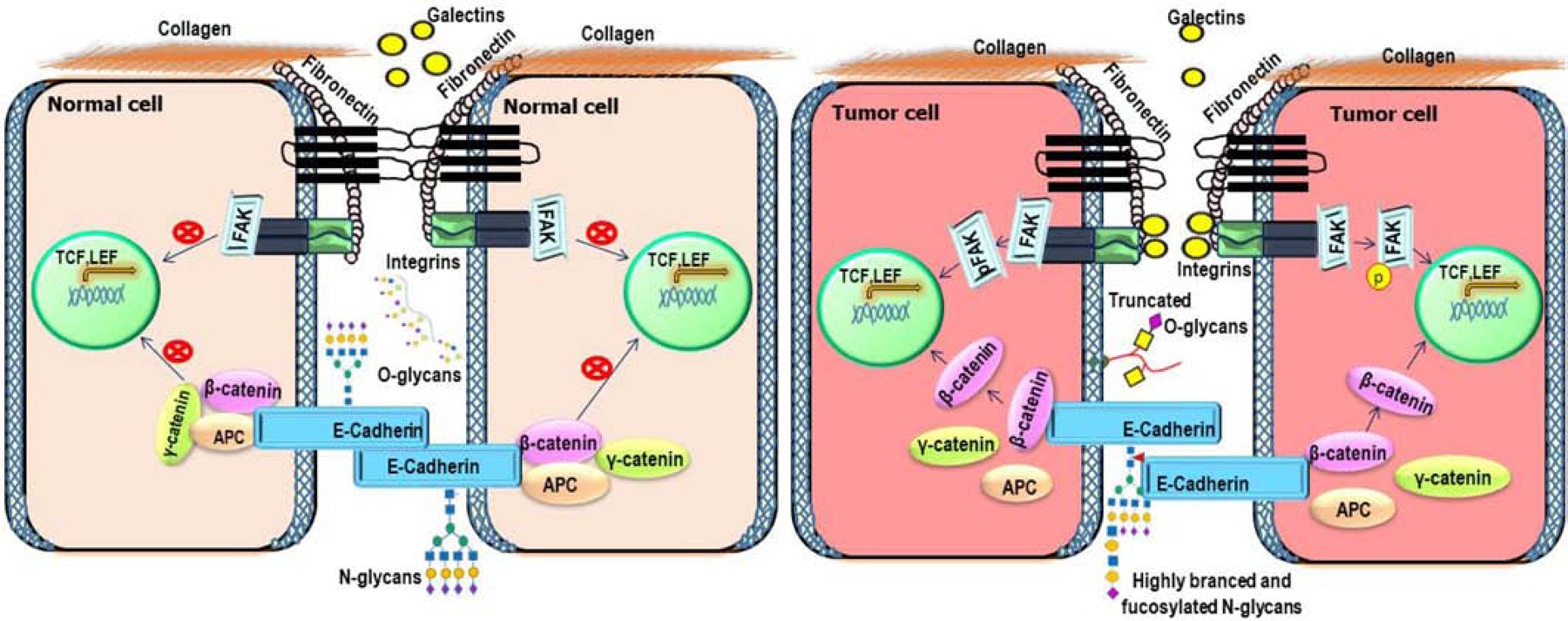
Figure 3:. Role of glycosylation in cell-cell and cell-matrix interaction.
In healthy cells, E-cadherin functions as a critical hemophilic cell-cell adhesion molecule. In tumor cells, aberrantly glycosylated tight junction and adherence proteins activate Wnt and FAK signaling cascades that promote transcription of targeted genes responsible for tumor cell migration and proliferation. Heavily glycosylated integrins interact with ECM proteins with the help of galectins that trigger various signaling pathways to promote migration, invasion, and proliferation in tumor cells.
Figure 4:
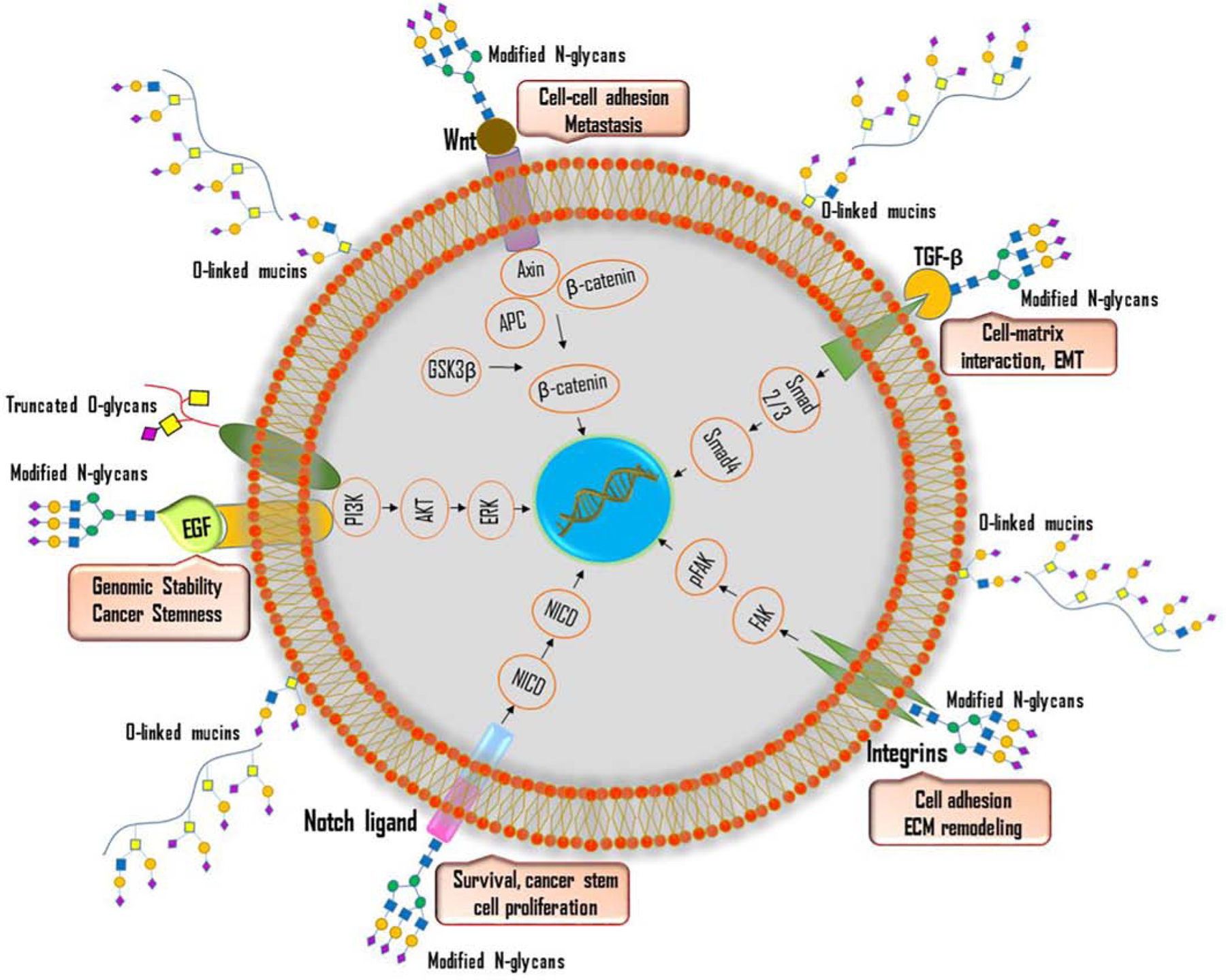
Figure 4:. Role of glycosylation in oncogenic signaling pathways.
Aberrant glycosylation of cell surface receptors, growth factors, and transmembrane proteins activates various intracellular signaling pathways such as Wnt/β-catenin, Notch, TGFβ/Smad, PI3K/Akt, Integrin-mediated FAK signaling in tumor cells. Aberrant glycosylation of Wnt ligand promotes nuclear translocation of β-catenin and enhance cell-cell adhesion and metastasis. The presence of modified N-glycans on TGF-β ligand modulates cell-matrix interaction and promote EMT. Altered glycosylation of Notch ligand promotes cancer cell survival and stem cell proliferation. Aberrant glycosylation of integrins activates FAK signaling pathway and promotes ECM remodeling. Altered glycosylation of EGF receptors promotes genomic stability and cancer stemness.
Figure 5:
Figure 5:. Role of altered glycosylation in tumor metastasis.
Altered expressions of glycosyltransferases, sialyltransferases, and fucosyltransferases induce aberrant glycosylation of TGF-β and Wnt ligands that promote EMT in a cancerous cell. Increased expression of mesenchymal markers facilitates the metastasis of tumor cells to distant organs.
Figure 6:
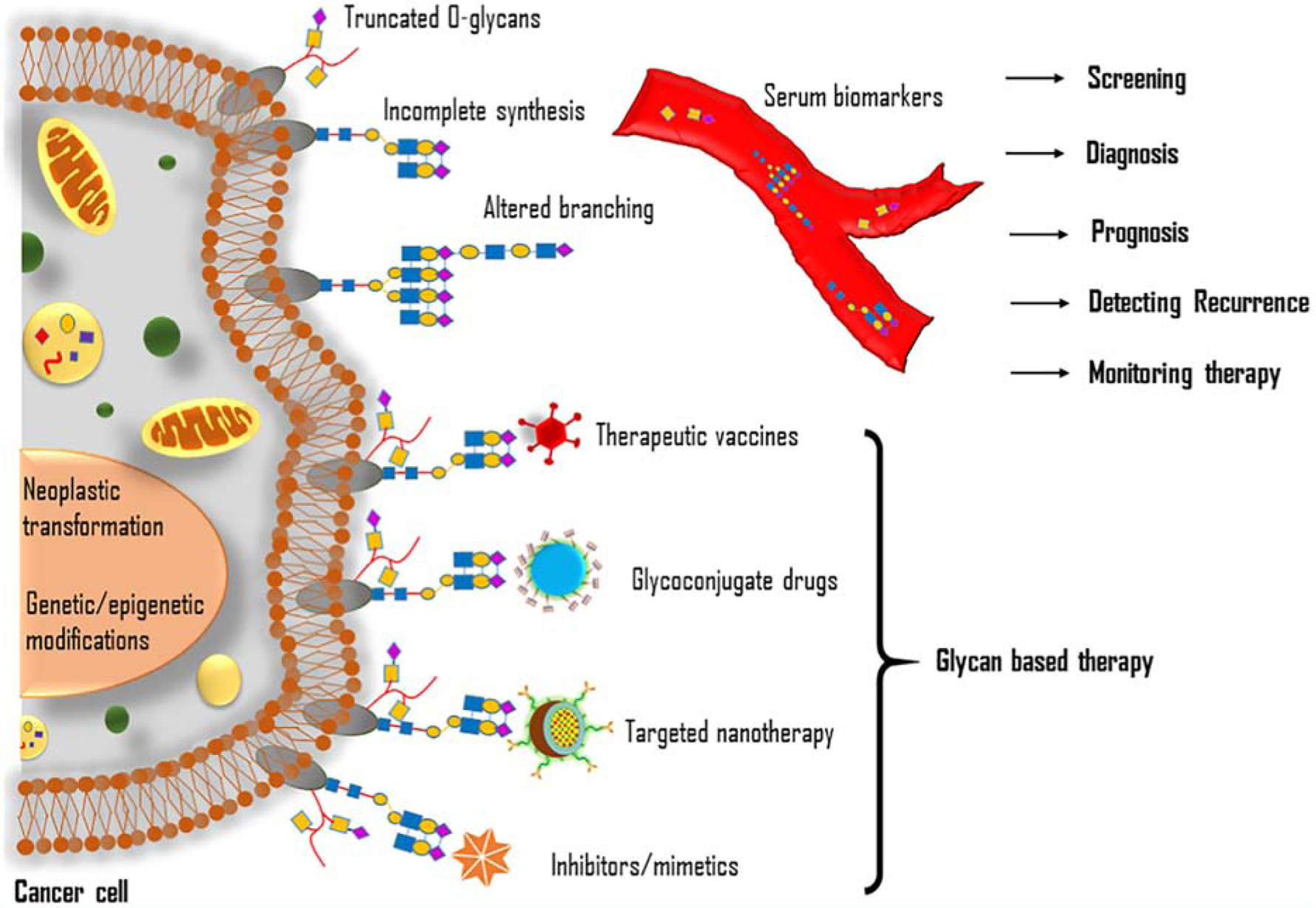
Figure 6:. Glycans as biomarkers for cancer therapy.
Genetic and epigenetic modifications of glycan biosynthesis result in the characteristic pattern of cancer-associated glycosylation, such as expression of truncated O-glycans, incomplete synthesis, and fucosylated altered branching of N-glycans. Tumor-associated glycoproteins in the serum are used as essential biomarkers for screening, diagnosis, prognosis, recurrence, and monitoring therapy. Glycoconjugate drugs, glycan-based vaccines, glycosylation specific inhibitors/mimetic, and targeted nanotherapies are used as glycan-based therapeutic strategies against cancer.

References

    1. Freeze HH. Genetic defects in the human glycome. Nat Rev Genet. 2006, 7(7):537–51. Epub 2006 Jun 6. Review. - PubMed
    2. Erratum in: Nat Rev Genet. 2006, 7(8):660. doi: 10.1038/nrg1894. - DOI
    1. Varki A Biological roles of glycans. Glycobiology. 2017, 27(1):3–49. doi: 10.1093/glycob/cww086. - DOI - PMC - PubMed
    1. Nairn AV, York WS, Harris K, Hall EM, Pierce JM, Moremen KW. Regulation of glycan structures in animal tissues: transcript profiling of glycan-related genes. J Biol Chem. 2008, 283(25):17298–313. doi: 10.1074/jbc.M801964200. - DOI - PMC - PubMed
    1. Alemka A, Corcionivoschi N, Bourke B. Defense and adaptation: the complex inter-relationship between Campylobacter jejuni and mucus. Front Cell Infect Microbiol. 2012, 2:15. doi: 10.3389/fcimb.2012.00015. - DOI - PMC - PubMed
    1. Mereiter S, Balmaña M, Campos D, Gomes J, Reis CA. Glycosylation in the Era of Cancer-Targeted Therapy: Where Are We Heading? Cancer Cell. 2019, 36(1):6–16. doi: 10.1016/j.ccell.2019.06.006. - DOI - PubMed

Publication types