


Ceramides in Metabolism: Key Lipotoxic Players
- PMID: 33158378
- PMCID: PMC7905841
- DOI: 10.1146/annurev-physiol-031620-093815
Ceramides in Metabolism: Key Lipotoxic Players
Abstract
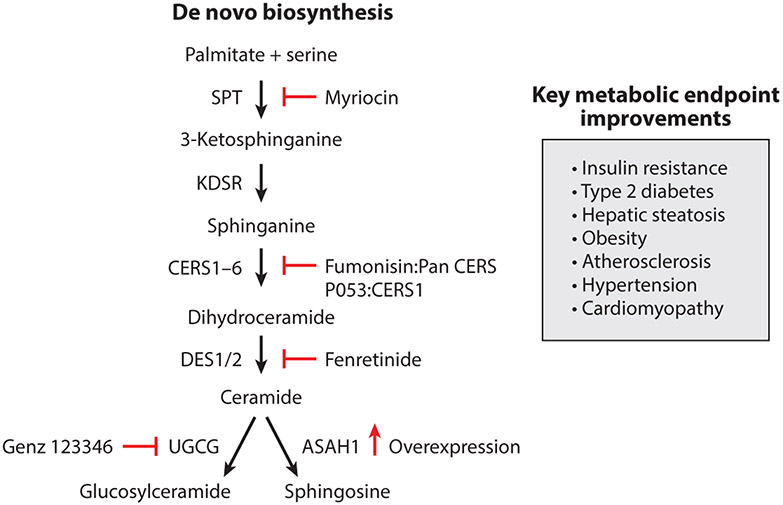
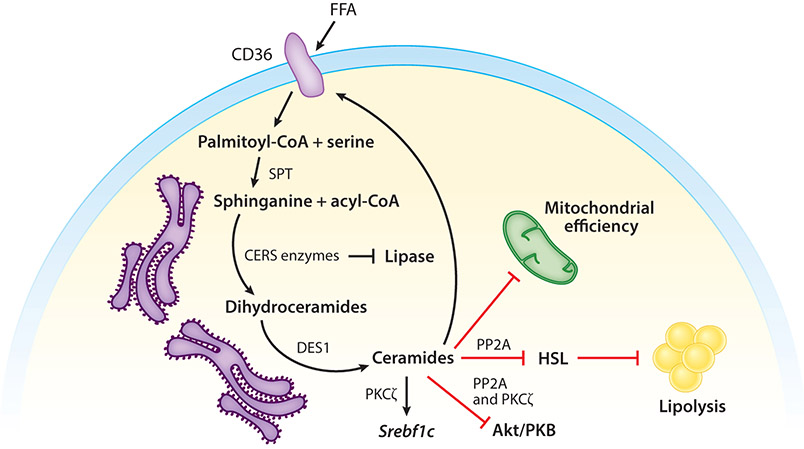
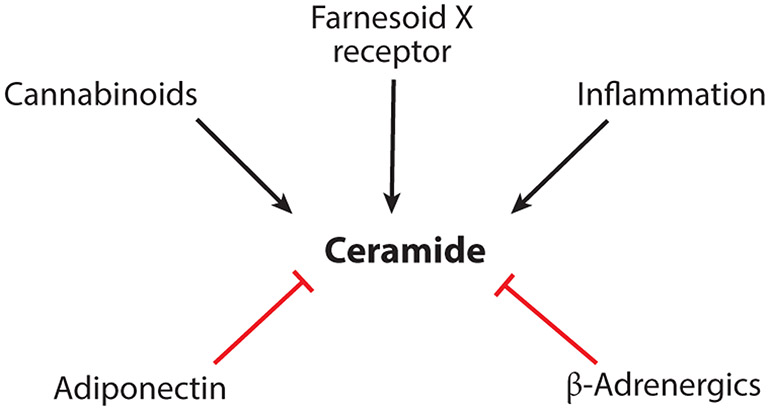
The global prevalence of metabolic diseases such as type 2 diabetes mellitus, steatohepatitis, myocardial infarction, and stroke has increased dramatically over the past two decades. These obesity-fueled disorders result, in part, from the aberrant accumulation of harmful lipid metabolites in tissues not suited for lipid storage (e.g., the liver, vasculature, heart, and pancreatic beta-cells). Among the numerous lipid subtypes that accumulate, sphingolipids such as ceramides are particularly impactful, as they elicit the selective insulin resistance, dyslipidemia, and ultimately cell death that underlie nearly all metabolic disorders. This review summarizes recent findings on the regulatory pathways controlling ceramide production, the molecular mechanisms linking the lipids to these discrete pathogenic events, and exciting attempts to develop therapeutics to reduce ceramide levels to combat metabolic disease.
Keywords: atherosclerosis; ceramides; diabetes; dyslipidemia; insulin resistance; obesity.
Figures
References
-
- International Diabetes Federation. 2020. IDF Diabetes Atlas. International Diabetes Federation, Brussels: https://www.diabetesatlas.org/en/
-
- World Health Organ. 2019. Cardovascular diseases (CVDs). Fact Sheet, World Health Organ, Geneva: https://www.who.int/news-room/fact-sheets/detail/cardiovascular-diseases...
-
- Randle PJ, Garland PB, Hales CN, Newsholme EA. 1963. The glucose fatty-acid cycle. Its role in insulin sensitivity and the metabolic disturbances of diabetes mellitus. Lancet 1:785–89 - PubMed
Publication types
MeSH terms
Substances
Grants and funding
LinkOut - more resources
Full Text Sources
Other Literature Sources
Miscellaneous
