


A snapshot of Plasmodium falciparum malaria drug resistance markers in Sudan: a pilot study
- PMID: 33160417
- PMCID: PMC7648977
- DOI: 10.1186/s13104-020-05363-0
A snapshot of Plasmodium falciparum malaria drug resistance markers in Sudan: a pilot study
Abstract
Objectives: Malaria infection is still known to be a worldwide public health problem, especially in tropical and sub-tropical African countries like Sudan. A pilot study conducted to describe the trend of P. falciparum drug resistance markers in 2017-2018 in comparison to CQ and AS/SP eras in Sudan. The Pfcrt, Pfmdr-1, Pfdhfr, and Pfdhps genes were investigated. Data deposited by the worldwide antimalarial resistance network was consulted, and the molecular markers previously reported from Sudan were analyzed.
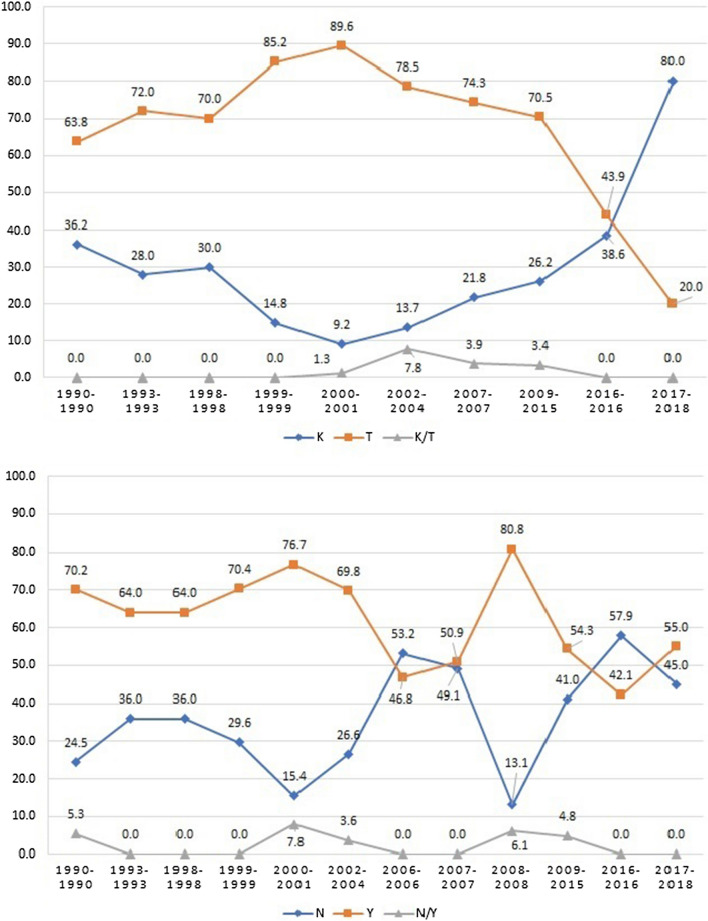
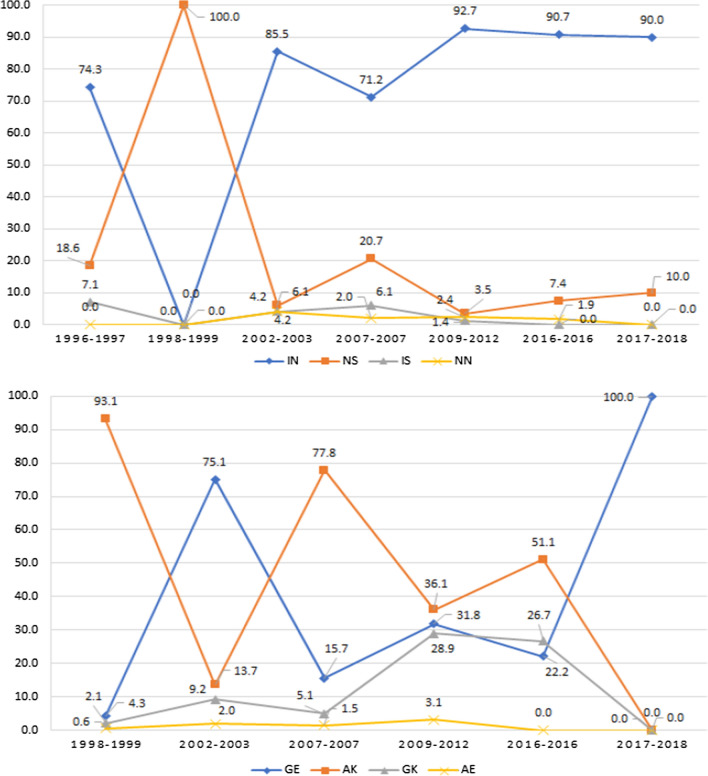
Results: Drug molecular markers analysis was successfully done on 20 P. falciparum isolates. The Pfcrt K76 showed high frequency; 16 (80%). For the Pfmdr-1, 9 (45%) isolates were carrying the N86 allele, and 11 (55%) were 86Y allele. While the Y184F of the Pfmdr-1 showed a higher frequency of 184F compared to Y184; 16 (80%) and 4 (20%), respectively. In the Pfdhfr, 51I allele showed higher frequency compared to N51; 18 (90%) and 2 (10%), respectively. For S108N, 18 (90%) were 108 N and 2 (10%) were S108. In the Pfdhps, all isolates were carrying the mutant alleles; 437G and 540E. The frequency distribution of the Pfcrt, Pfmdr-1, Pfdhfr, Pfdhps was significantly different across the whole years in Sudan.
Keywords: Molecular markers; Multi drug resistance; Plasmodium falciparum; Sudan.
Conflict of interest statement
The authors declare that they have no competing interests.
Figures
References
-
- WHO: World malaria report 2019. Geneva: World Health Organization 2019.
-
- Malik EM, Khalafalla O. Malaria in Sudan: past, present and the future. Gezira J Health Sci. 2004;1:1–9.
-
- Sudan Malaria Diagnosis and Treatment Protocol. 2017. https://reliefweb.int/report/sudan/sudan-malaria-diagnosis-and-treatment...). Accessed 2 July 2020.
-
- Adam I, Ibrahim M, Aelbasit I, El Bashir M. Efficacy of sulfadoxine/pyrimethamine for uncomplicated Plasmodium falciparum malaria in a small sample of Sudanese children. pp 309–314, 2004. - PubMed
MeSH terms
Substances
LinkOut - more resources
Full Text Sources
Research Materials
