


COVID-19-associated coagulopathy and disseminated intravascular coagulation
- PMID: 33161508
- PMCID: PMC7648664
- DOI: 10.1007/s12185-020-03029-y
COVID-19-associated coagulopathy and disseminated intravascular coagulation
Abstract
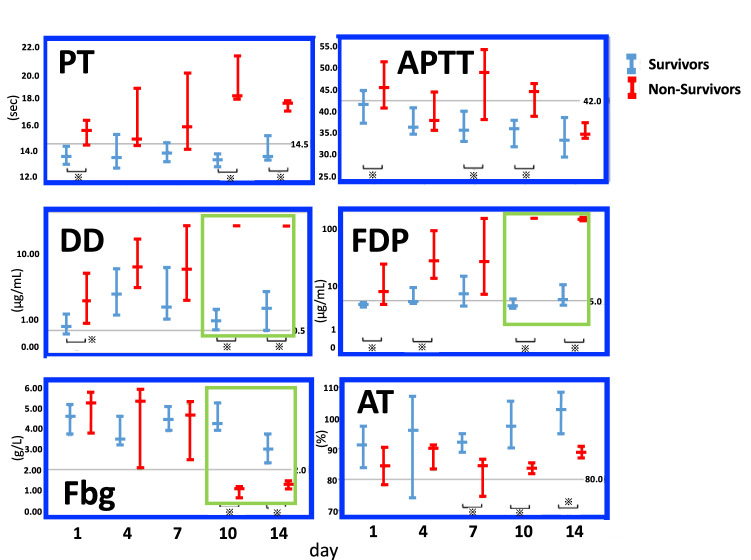
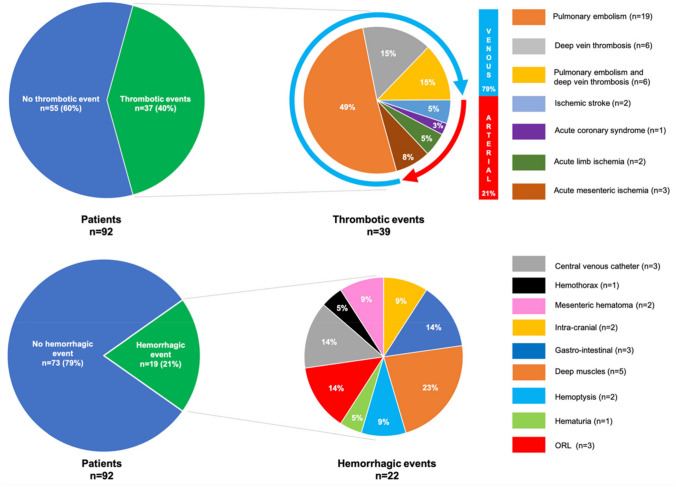
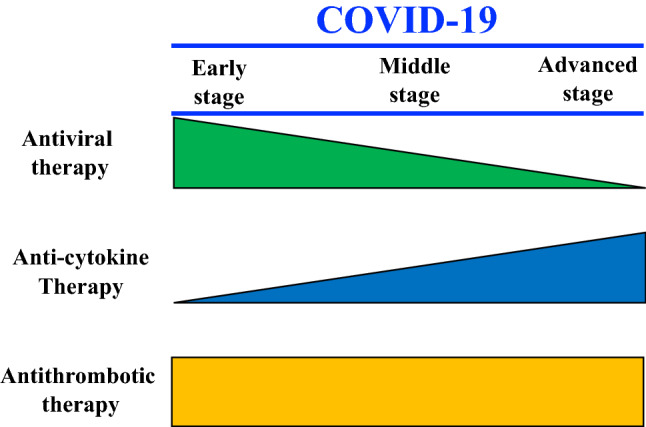
The pathology of coronavirus disease 2019 (COVID-19) is exacerbated by the progression of thrombosis, and disseminated intravascular coagulation (DIC), and cytokine storms. The most frequently reported coagulation/fibrinolytic abnormality in COVID-19 is the increase in D-dimer, and its relationship with prognosis has been discussed. However, limits exist to the utility of evaluation by D-dimer alone. In addition, since the coagulation/fibrinolytic condition sometimes fluctuates within a short period of time, regular examinations in recognition of the significance of the examination are desirable. The pathophysiology of disseminated intravascular coagulation (DIC) associated with COVID-19 is very different from that of septic DIC, and both thrombotic and hemorrhagic pathologies should be noted. COVID-19 thrombosis includes macro- and microthrombosis, with diagnosis of the latter depending on markers of coagulation and fibrinolysis. Treatment of COVID-19 is classified into antiviral treatment, cytokine storm treatment, and thrombosis treatment. Rather than providing uniform treatment, the treatment method most suitable for the severity and stage should be selected. Combination therapy with heparin and nafamostat is expected to develop in the future. Fibrinolytic therapy and adsorption therapy require further study.
Keywords: COVID-19; Cytokine storm; DIC; Disseminated intravascular coagulation; SARS-CoV-2; Thrombosis.
Figures
References
Publication types
MeSH terms
Substances
LinkOut - more resources
Full Text Sources
Medical
Miscellaneous
