. 2021 Apr;39(4):499-509.
doi: 10.1038/s41587-020-0718-6. Epub 2020 Nov 9.

A genomic catalog of Earth's microbiomes

Collaborators, Affiliations

A genomic catalog of Earth's microbiomes

Stephen Nayfach et al. Nat Biotechnol. 2021 Apr.

Erratum in

  • Publisher Correction: A genomic catalog of Earth's microbiomes.
    Nayfach S, Roux S, Seshadri R, Udwary D, Varghese N, Schulz F, Wu D, Paez-Espino D, Chen IM, Huntemann M, Palaniappan K, Ladau J, Mukherjee S, Reddy TBK, Nielsen T, Kirton E, Faria JP, Edirisinghe JN, Henry CS, Jungbluth SP, Chivian D, Dehal P, Wood-Charlson EM, Arkin AP, Tringe SG, Visel A; IMG/M Data Consortium; Woyke T, Mouncey NJ, Ivanova NN, Kyrpides NC, Eloe-Fadrosh EA. Nayfach S, et al. Nat Biotechnol. 2021 Apr;39(4):520. doi: 10.1038/s41587-020-00769-4. Nat Biotechnol. 2021. PMID: 33208936 Free PMC article. No abstract available.
  • Author Correction: A genomic catalog of Earth's microbiomes.
    Nayfach S, Roux S, Seshadri R, Udwary D, Varghese N, Schulz F, Wu D, Paez-Espino D, Chen IM, Huntemann M, Palaniappan K, Ladau J, Mukherjee S, Reddy TBK, Nielsen T, Kirton E, Faria JP, Edirisinghe JN, Henry CS, Jungbluth SP, Chivian D, Dehal P, Wood-Charlson EM, Arkin AP, Tringe SG, Visel A; IMG/M Data Consortium; Woyke T, Mouncey NJ, Ivanova NN, Kyrpides NC, Eloe-Fadrosh EA. Nayfach S, et al. Nat Biotechnol. 2021 Apr;39(4):521. doi: 10.1038/s41587-021-00898-4. Nat Biotechnol. 2021. PMID: 33795890 Free PMC article. No abstract available.

Abstract

The reconstruction of bacterial and archaeal genomes from shotgun metagenomes has enabled insights into the ecology and evolution of environmental and host-associated microbiomes. Here we applied this approach to >10,000 metagenomes collected from diverse habitats covering all of Earth's continents and oceans, including metagenomes from human and animal hosts, engineered environments, and natural and agricultural soils, to capture extant microbial, metabolic and functional potential. This comprehensive catalog includes 52,515 metagenome-assembled genomes representing 12,556 novel candidate species-level operational taxonomic units spanning 135 phyla. The catalog expands the known phylogenetic diversity of bacteria and archaea by 44% and is broadly available for streamlined comparative analyses, interactive exploration, metabolic modeling and bulk download. We demonstrate the utility of this collection for understanding secondary-metabolite biosynthetic potential and for resolving thousands of new host linkages to uncultivated viruses. This resource underscores the value of genome-centric approaches for revealing genomic properties of uncultivated microorganisms that affect ecosystem processes.


Conflict of interest statement

The authors declare no competing interests.

Figures
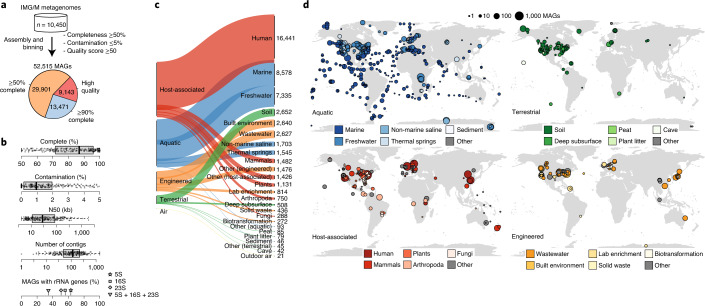
Fig. 1
Fig. 1. Environmental and geographic distribution of metagenome-assembled genomes.
a, A total of 52,515 MAGs were recovered from geographically and environmentally diverse metagenomes in IMG/M. The majority (6,380 of 10,450; 61%) of metagenomes were reassembled for this work using the latest state-of-the-art assembly pipeline (Supplementary Table 1). These genomes form the GEM catalog. All MAGs were ≥50% complete, were ≤5% contaminated and had a quality score (completeness − 5 × contamination) of ≥50. b, Distribution of quality metrics across the MAGs. Approximately 200 randomly selected data points are overlaid on each boxplot, showing the minimum value, first quartile, median, third quartile and maximum value. See Supplementary Table 2 for quality statistics for all MAGs. c, Distribution of MAGs across biomes and sub-biomes, based on environmental metadata in the Genomes OnLine Database (GOLD; https://gold.jgi-psf.org). The number of MAGs associated with each sub-biome is indicated next to the plot. d, Geographic distribution of MAGs within each biome.
Fig. 2
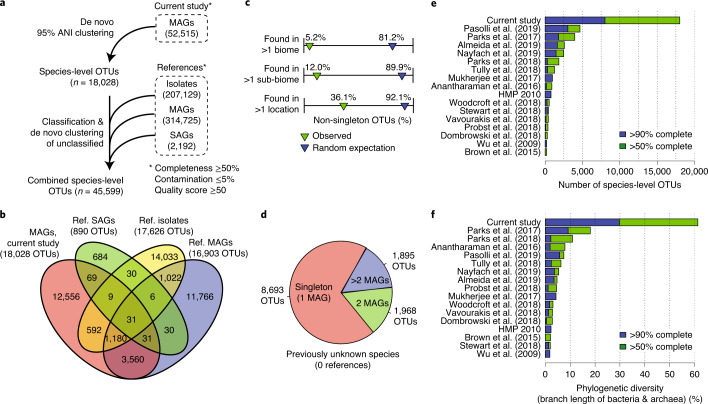
Fig. 2. Species-level clustering of the GEM catalog with >500,000 reference genomes.
a, MAGs from the current study were compared to 524,046 publicly available reference genomes found in IMG/M and NCBI. All reference genomes met the same minimum quality standards as applied to the GEM catalog. All MAGs and reference genomes were clustered into 45,599 species-level OTUs on the basis of 95% ANI and 30% AF. b, Overlap of OTUs between genome sets. MAGs from the current study revealed genomes for 12,556 species for the first time. c, The vast majority of OTUs with >1 genome from the GEM catalog were restricted to individual biomes and sub-biomes, although over a third were found in multiple geographic locations. d, A large proportion of the 12,556 newly identified species were represented by only a single genome. e,f, Comparison of the current dataset with the 16 largest previously published genome studies, selected on the basis of species-level diversity. Study identifiers were derived from either NCBI BioProject or GOLD. Studies by Wu et al. , HMP (2010) and Mukherjee at al. contain additional genomes generated after publication. All MAGs from other studies were filtered using the same quality criteria as the GEM dataset (Fig. 1a and Methods). Genomes from the current study represent over three times more diversity compared to any previously published study.
Fig. 3
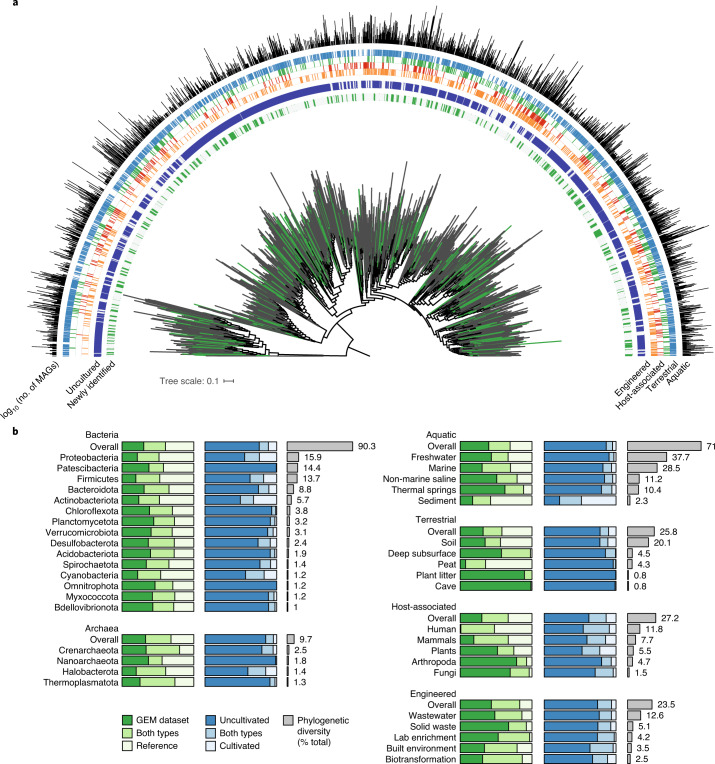
Fig. 3. The GEM catalog fills gaps in the tree of life.
a, A phylogenetic tree was built for 43,979 of the 45,599 OTUs based on a concatenated alignment of 30 universally distributed single-copy genes. The full alignment contained 4,689 amino acid positions, with each OTU containing data for at least 30% of positions. Species-level OTUs were further clustered based on phylogenetic distance into 1,928 approximately order-level clades. Green branches indicate new lineages represented only by the GEM catalog. The inner strip chart indicates whether an order is newly identified (green; represented only by GEMs) or was previously known (light gray; represented by a reference genome). The next strip chart indicates whether an order is uncultured (blue; represented only by MAGs/SAGs) or cultured (gray; represented by at least one isolate genome). The next four strip charts indicate the environmental distribution of the orders; the last plot indicates the number of MAGs from the GEM catalog recovered from each order. The GEM catalog’s composite genomes are broadly distributed across the tree of life, including many new order-level clades, though most new lineages are interspersed between existing ones. Vast regions of the tree are represented only by uncultivated genomes. b, Phylogenetic diversity was computed for subtrees represented by the GEM catalog/reference genomes (green scale) or cultivated/uncultivated genomes (blue scale). Gray bars indicate percentage of total phylogenetic diversity represented by each taxonomic group (left) or environment (right). The GEM catalog consistently expands phylogenetic diversity across different phyla within bacteria and archaea and for different environments. One exception is the human microbiome, where the GEM catalog contributes little new diversity. Combining the GEM catalog with other uncultivated genomes, it becomes apparent that uncultivated genomes dominate the diversity within most phyla and environments, particularly for groups like the Patescibacteria (Candidate Phyla Radiation) and Nanoarchaeota.
Fig. 4
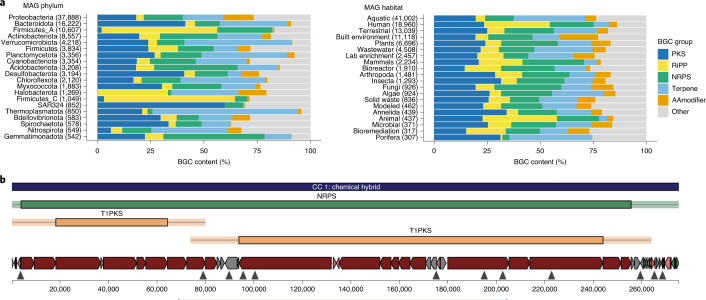
Fig. 4. Biosynthetic gene clusters recovered from the GEMs dataset.
a, Relative frequency of BGC types across dominant phyla (left) and habitats (right). BGC types are highly variable across phyla but relatively stable across habitats. AAmodifier, amino acid modifying system. b, The single largest BGC region, found in a soil-derived bacterium from the Acidobacteria phylum and UBA5704 genus. The BGC encodes 62 PKS or NRPS modules with three colinear module chains.
Fig. 5
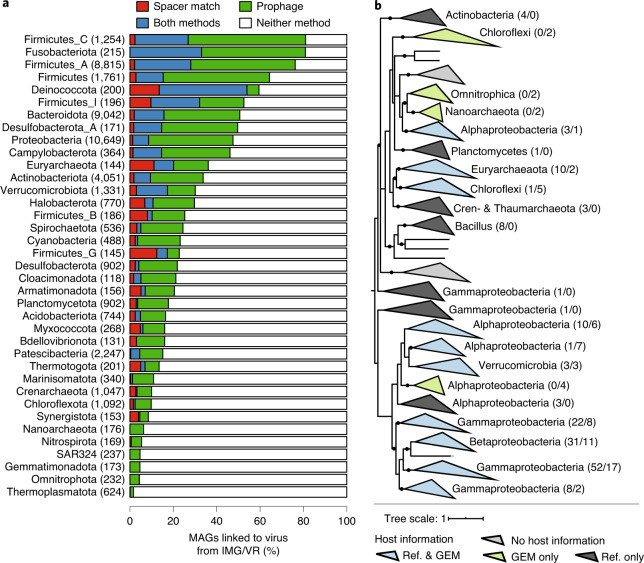
Fig. 5. MAGs resolve host–virus connectivity.
a, Bacterial and archaeal phyla from the GEM catalog were linked to viruses. The bar plot displays the percentage of MAGs linked to viruses from each phylum containing 100 or more MAGs. Phylum names were derived from the GTDB, and the numbers to the right represent MAGs from each phylum. Bar colors indicate the method of linking viruses to hosts; white indicates the percentage of MAGs not associated with any virus. b, Phylogeny of DJR viruses with associated host information. For each clade of three or more DJR sequences associated with the same host group, host information is indicated next to the clade along with the number of sequences linking this DJR clade to this host group, first from reference sequences, then from the GEM catalog. Reference sequences were obtained from Kauffman et al.. Clades are colored according to the origin of the host information, and new host groups identified exclusively from the GEM catalog are highlighted in bold. All nodes with >50% support are displayed as multifurcation, and nodes with >80% support are highlighted with a black dot.

References

    1. Tyson GW, et al. Community structure and metabolism through reconstruction of microbial genomes from the environment. Nature. 2004;428:37–43. doi: 10.1038/nature02340. - DOI - PubMed
    1. Tully BJ, Graham ED, Heidelberg JF. The reconstruction of 2,631 draft metagenome-assembled genomes from the global oceans. Sci. Data. 2018;5:170203. doi: 10.1038/sdata.2017.203. - DOI - PMC - PubMed
    1. Stewart RD, et al. Assembly of 913 microbial genomes from metagenomic sequencing of the cow rumen. Nat. Commun. 2018;9:870. doi: 10.1038/s41467-018-03317-6. - DOI - PMC - PubMed
    1. Pasolli E, et al. Extensive unexplored human microbiome diversity revealed by over 150,000 genomes from metagenomes spanning age, geography and lifestyle. Cell. 2019;176:649–662. doi: 10.1016/j.cell.2019.01.001. - DOI - PMC - PubMed
    1. Almeida, A. et al. A new genomic blueprint of the human gut microbiota. Nature568, 499–504 (2019). - PMC - PubMed

Publication types