


Molecular mechanisms of organ damage in sepsis: an overview
- PMID: 33169675
- PMCID: PMC9392098
- DOI: 10.1016/j.bjid.2020.09.004
Molecular mechanisms of organ damage in sepsis: an overview
Abstract
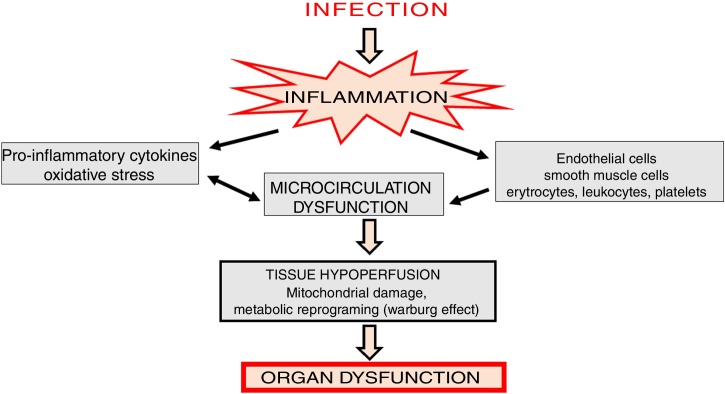
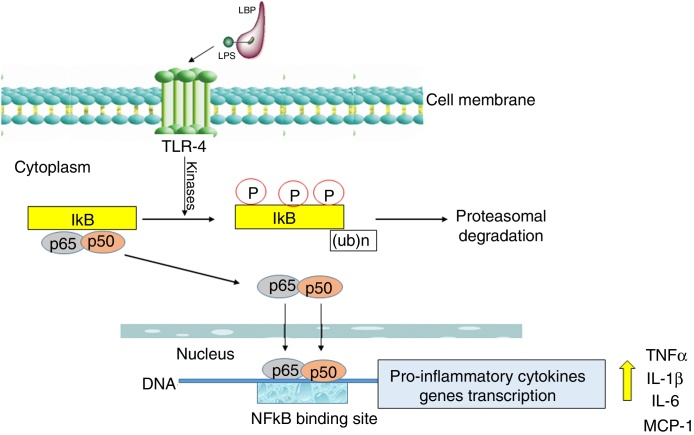
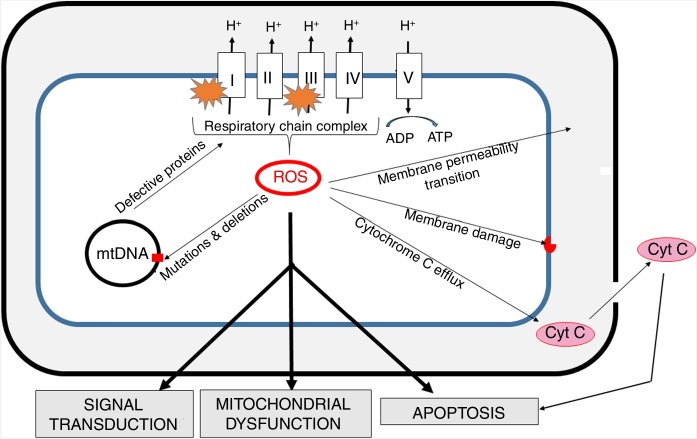
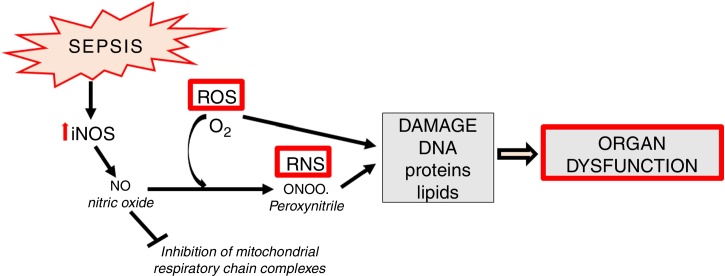
Sepsis is one of the most common reasons for hospitalization. This condition is characterized by systemic inflammatory response to infection. International definition of sepsis mainly points out a multi-organ dysfunction caused by a deregulated host response to infection. An uncontrolled inflammatory response, often referred to as "cytokine storm", leads to an increase in oxidative stress as a result of the inhibition of cellular antioxidant systems. Oxidative stress, as well as pro-inflammatory cytokines, initiate vascular endothelial dysfunction and, in consequence, impair microcirculation. Microcirculation damage leads to adaptive modifications of cell metabolism. Moreover, mitochondrial dysfunction takes place which results in increased apoptosis and organ damage. Non-coding RNA fragments, especially miRNA molecules, may play an important role in the pathomechanism of sepsis. Numerous studies have indicated altered expression of various miRNAs in sepsis. miRNAs can be used as markers in the diagnosis and prognosis of disease development. In turn, intracellular miRNAs regulate the TLR4/NFκB pathway responsible for the expression of pro-inflammatory cytokine genes involved in the inflammatory response in sepsis. The understanding of detailed molecular mechanisms leading to organ damage can contribute to the development of specific therapy methods thereby improving the prognosis of patients with sepsis.
Keywords: Cytokine storm; Mitochondria; Oxidative stress; Sepsis; miRNA.
Copyright © 2020 Sociedade Brasileira de Infectologia. Published by Elsevier España, S.L.U. All rights reserved.
Figures
References
-
- Angus D.C., van der Poll T. Severe sepsis and septic shock. N Engl J Med. 2013;315:840–851. - PubMed
-
- Wentowski C., Mewada N., Nielsen N.D. Sepsis in 2018: a review. Anaesth Intensive Care Med. 2019;20:6–13.
-
- Bone R.C., Balk R.A., Cerra F.B., et al. American College of Chest Physicians/Society of Critical Care Medicine Consensus Conference: definitions for sepsis and organ failure and guidelines for the use of innovative therapies in sepsis. Crit Care Med. 1992;20:864–874. - PubMed
-
- Levy M.M., Fink M.P., Marshall J.C., et al. International Sepsis Definitions Conference. 2001 SCCM/ESICM/ACCP/ATS/SIS International Sepsis Definitions Conference. Intensive Care Med. 2003;29:530–538. - PubMed
Publication types
MeSH terms
Substances
LinkOut - more resources
Full Text Sources
Medical
