


Fc γ receptor compositional heterogeneity: Considerations for immunotherapy development
- PMID: 33172893
- PMCID: PMC7948983
- DOI: 10.1074/jbc.REV120.013168
Fc γ receptor compositional heterogeneity: Considerations for immunotherapy development
Abstract
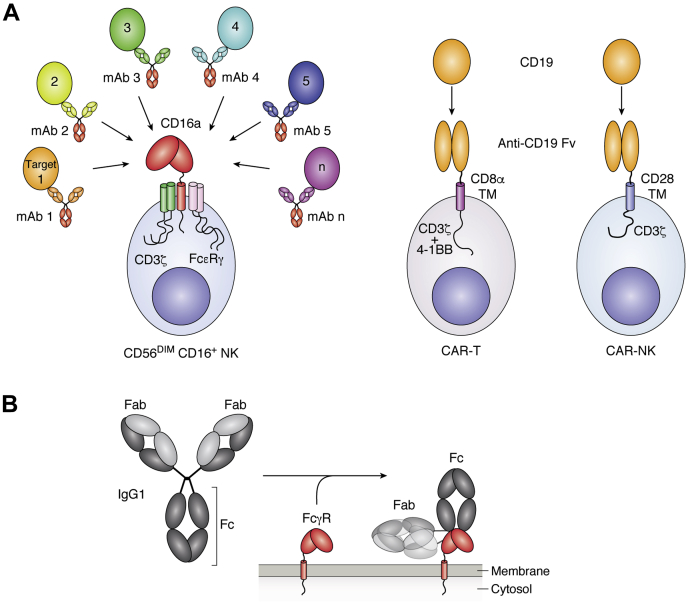
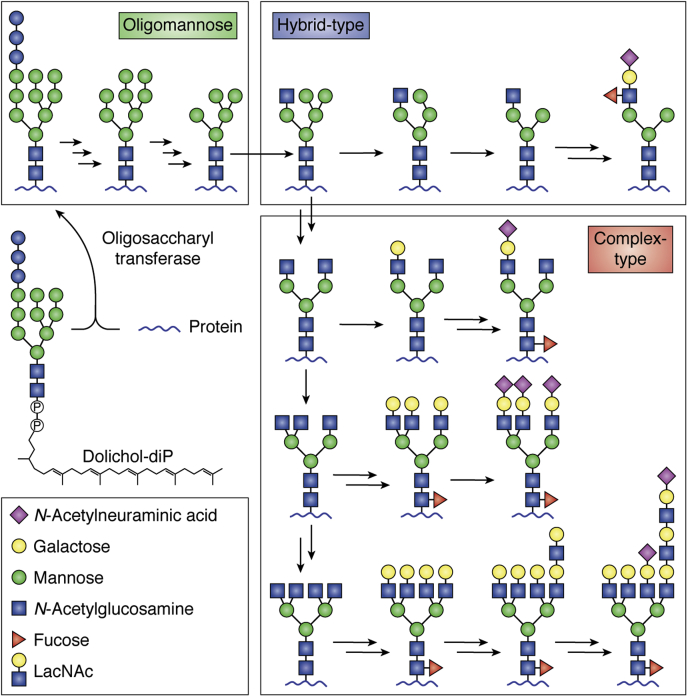
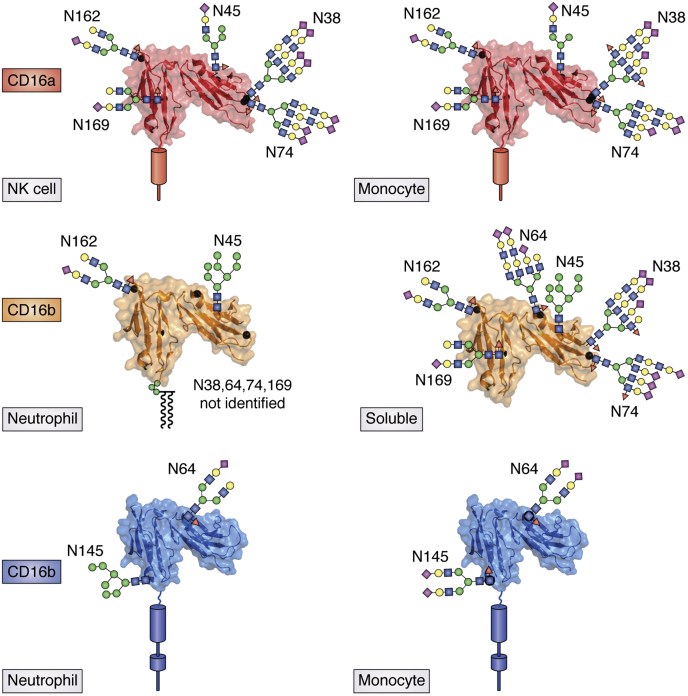
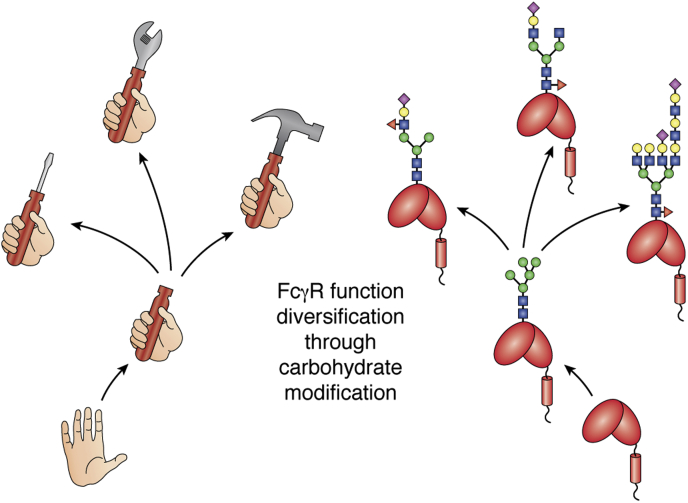
The antibody-binding crystallizable fragment (Fc) γ receptors (FcγRs) are expressed by leukocytes and activate or suppress a cellular response once engaged with an antibody-coated target. Therapeutic mAbs that require FcγR binding for therapeutic efficacy are now frontline treatments for multiple diseases. However, substantially fewer development efforts are focused on the FcγRs, despite accounting for half of the antibody-receptor complex. The recent success of engineered cell-based immunotherapies now provides a mechanism to introduce modified FcγRs into the clinic. FcγRs are highly heterogeneous because of multiple functionally distinct alleles for many genes, the presence of membrane-tethered and soluble forms, and a high degree of post-translational modification, notably asparagine-linked glycans. One significant factor limiting FcγR improvement is the fundamental lack of knowledge regarding endogenous receptor forms present in the human body. This review describes the composition of FcγRs isolated from primary human leukocytes, summarizes recent efforts to engineer FcγRs, and concludes with a description of potential FcγR features to enrich for enhanced function. Further understanding FcγR biology could accelerate the development of new clinical therapies targeting immune-related disease.
Keywords: Fc receptor; antibody; glycobiology; glycoprotein; immunotherapy.
Copyright © 2020 The Author. Published by Elsevier Inc. All rights reserved.
Conflict of interest statement
Conflict of interest The author declares that they have no conflicts of interest with the contents of this article.
Figures
References
-
- Bruhns P., Iannascoli B., England P., Mancardi D.A., Fernandez N., Jorieux S., Daeron M. Specificity and affinity of human Fcgamma receptors and their polymorphic variants for human IgG subclasses. Blood. 2009;113:3716–3725. - PubMed
-
- Liu E., Marin D., Banerjee P., Macapinlac H.A., Thompson P., Basar R., Nassif Kerbauy L., Overman B., Thall P., Kaplan M., Nandivada V., Kaur I., Nunez Cortes A., Cao K., Daher M. Use of CAR-transduced natural killer cells in CD19-positive lymphoid tumors. N. Engl. J. Med. 2020;382:545–553. - PMC - PubMed
Publication types
MeSH terms
Substances
Grants and funding
LinkOut - more resources
Full Text Sources
Other Literature Sources
