


Decompression Surgery for Frontal Migraine Headache
- PMID: 33173664
- PMCID: PMC7647648
- DOI: 10.1097/GOX.0000000000003084
Decompression Surgery for Frontal Migraine Headache
Abstract
Introduction: Migraine headache (MH) is one of the most common diseases worldwide and pharmaceutical treatment is considered the gold standard. Nevertheless, one-third of patients suffering from migraine headaches are unresponsive to medical management and meet the criteria for "refractory migraines" classification. Surgical treatment of MH might represent a supplementary alternative for this category of patients when pharmaceutical treatment does not allow for satisfactory results. The goal of this article is to provide a comprehensive review of the literature regarding surgical treatment for site I migraine management.
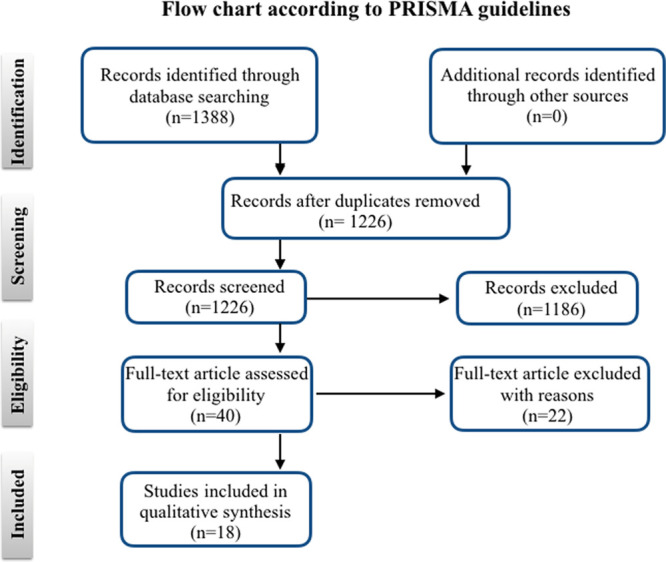
Methods: A literature search using PubMed, Medline, Cochrane and Google Scholar database according to Preferred Reporting Items for Systematic Reviews and Meta-Analysis guidelines was conducted using the following MeSH terms: "frontal neuralgia," "frontal trigger site treatment," "frontal migraine surgery" and "frontal headache surgery" (period: 2000 -2020; last search on 12 March 2020).
Results: Eighteen studies published between 2000 and 2019, with a total of 628 patients, were considered eligible. Between 68% and 93% of patients obtained satisfactory postoperative results. Complete migraine elimination rate ranged from 28.3% to 59%, and significant improvement (>50% reduction) rates varied from 26.5% to 60%.
Conclusions: Our systematic review of the literature suggests that frontal trigger site nerve decompression could possibly be an effective strategy to treat migraine refractory patients, providing significant improvement of symptoms in a considerable percentage of patients.
Copyright © 2020 The Authors. Published by Wolters Kluwer Health, Inc. on behalf of The American Society of Plastic Surgeons.
Conflict of interest statement
Disclosure: The authors have no financial interest to declare in relation to the content of this article.
References
-
- Lipton RB, Bigal ME, Diamond M, et al. ; AMPP Advisory Group. Migraine prevalence, disease burden, and the need for preventive therapy. Neurology. 2007;68:343–349. - PubMed
-
- Bigal ME, Lipton RB. The epidemiology, burden, and comorbidities of migraine. Neurol Clin. 2009;27:321–334. - PubMed
-
- Buse DC, Manack AN, Fanning KM, et al. Chronic migraine prevalence, disability, and sociodemographic factors: Results from the American Migraine Prevalence and Prevention Study. Headache. 2012;52:1456–1470. - PubMed
-
- D’Amico D, Leone M, Grazzi L, et al. When should “chronic migraine” patients be considered “refractory” to pharmacological prophylaxis? Neurol Sci. 2008;29 Suppl 1:S55–S58. - PubMed
LinkOut - more resources
Full Text Sources