


The influence of quality and respectful care on the uptake of skilled birth attendance in Tanzania
- PMID: 33176709
- PMCID: PMC7656707
- DOI: 10.1186/s12884-020-03278-z
The influence of quality and respectful care on the uptake of skilled birth attendance in Tanzania
Abstract
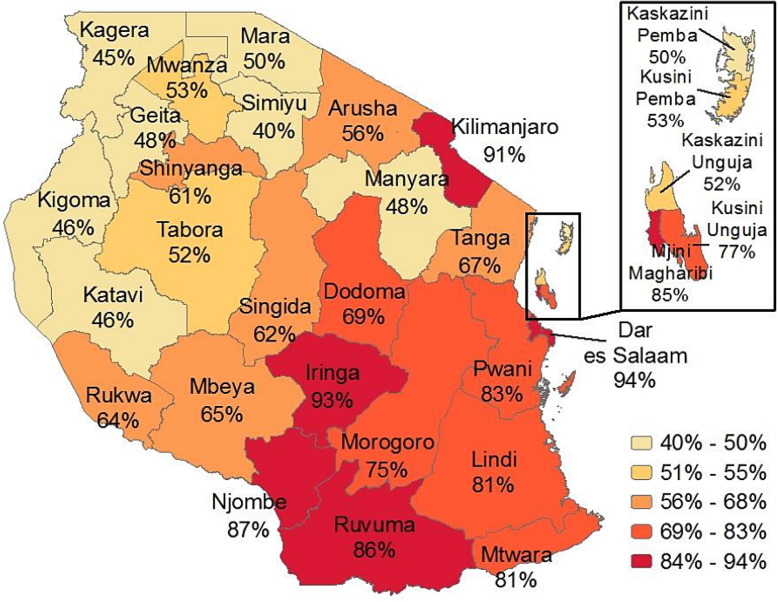
Background: An increase in the uptake of skilled birth attendance is expected to reduce maternal mortality in low- and middle-income countries. In Tanzania, the proportion of deliveries assisted by a skilled birth attendant is only 64% and the maternal mortality ratio is still 398/100.000 live births. This article explores different aspects of quality of care and respectful care in relation to maternal healthcare. It then examines the influence of these aspects of care on the uptake of skilled birth attendance in Tanzania in order to offer recommendations on how to increase the skilled birth attendance rate.
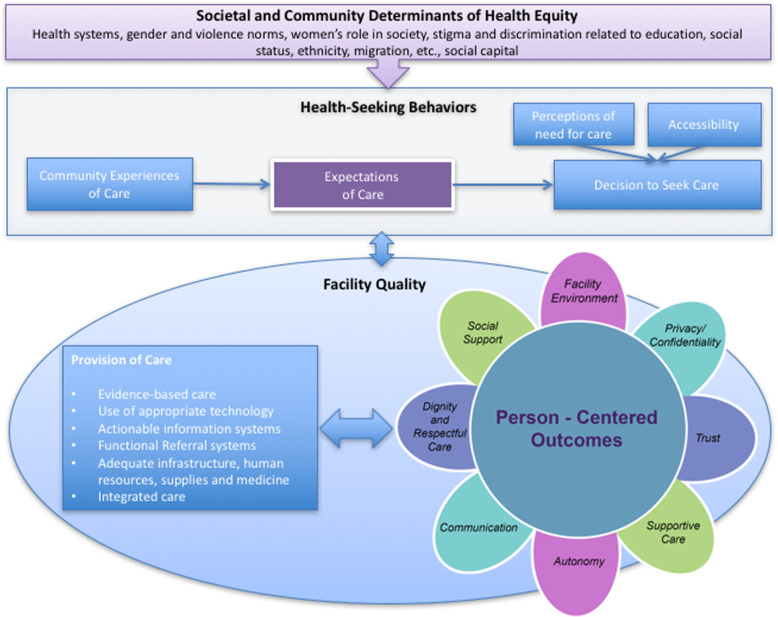
Methods: This narrative review employed the "person-centered care framework for reproductive health equity" as outlined by Sudhinaraset (2017). Academic databases, search engines and websites were consulted, and snowball sampling was used. Full-text English articles from the last 10 years were included.
Results: Uptake of skilled birth attendance was influenced by different aspects of technical quality of maternal care as well as person-centred care, and these factors were interrelated. For example, disrespectful care was linked to factors which made the working circumstances of healthcare providers more difficult such as resource shortages, low levels of integrated care, inadequate referral systems, and bad management. These issues disproportionately affected rural facilities. However, disrespectful care could sometimes be attributed to personal attitudes and discrimination on the part of healthcare providers. Dissatisfied patients responded with either quiet acceptance of the circumstances, by delivering at home with a traditional birth attendant, or bypassing to other facilities. Best practices to increase respectful care show that multi-component interventions are needed on birth preparedness, attitude and infrastructure improvement, and birth companionship, with strong management and accountability at all levels.
Conclusions: To further increase the uptake of skilled birth attendance, respectful care needs to be addressed within strategic plans. Multi-component interventions are required, with multi-stakeholder involvement. Participation of traditional birth attendants in counselling and referral can be considered. Future advances in information and communication technology might support improved quality of care.
Keywords: (dis)respect; Bypassing; ICT; Interventions; Quality of maternal care; Skilled birth attendance; Tanzania.
Conflict of interest statement
the authors declare that they have no competing interests in this section.
Figures
References
-
- World Health Organization. Definition of skilled health personnel providing care during childbirth: the joint statement by WHO. UNFPA, UNICEF. ICM, ICN, FIGO and IPA. 2018;1–4. Available from: https://apps.who.int/iris/bitstream/handle/10665/272818/WHO-RHR-18.14-en....
-
- Sorensen BL, Nielsen BB, Rasch V, Elsass P. User and provider perspectives on emergency obstetric care in a Tanzanian rural setting: a qualitative analysis of the three delays model in a field study. Afr J Reprod Health [Internet]. 2011;15(2):117–30. Available from: http://www.ncbi.nlm.nih.gov/pubmed/22590898. - PubMed
-
- World Health Organization. Standards for improving quality of maternal and newborn care in health facilities. 2016; 73 p. Geneva. Available from: https://apps.who.int/iris/bitstream/handle/10665/249155/9789241511216-en....
-
- UNICEF/WHO. Skilled birth delivery (SBA)- Joint UNICEF/WHO database. [Internet]. 2019. Available from: https://data.unicef.org/topic/maternal-health/delivery-care/.
-
- World Bank Group. Births attended by skilled health staff. [Internet]. 2019. Available from: https://data.worldbank.org/indicator/SH.STA.BRTC.ZS.
Publication types
MeSH terms
LinkOut - more resources
Full Text Sources
Research Materials
