


Insights from nanotechnology in COVID-19 treatment
- PMID: 33178330
- PMCID: PMC7640897
- DOI: 10.1016/j.nantod.2020.101019
Insights from nanotechnology in COVID-19 treatment
Abstract
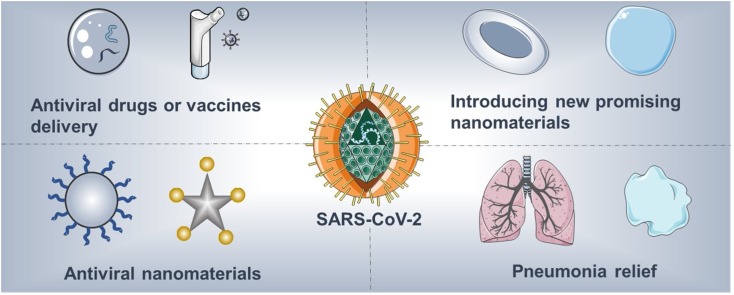
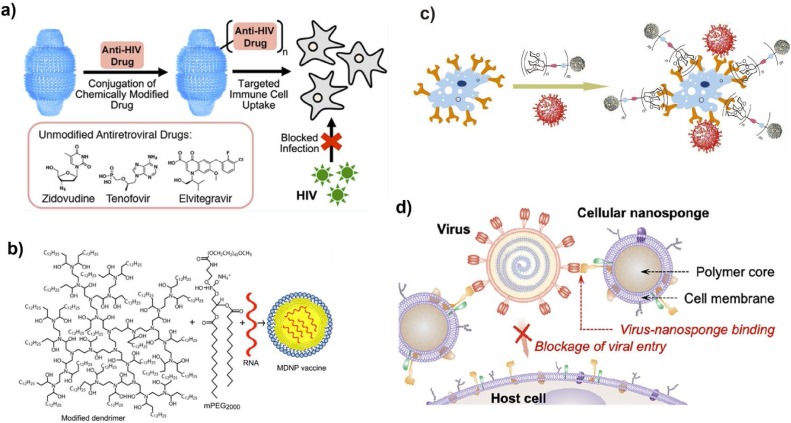
In just a few months, SARS-CoV-2 and the disease it causes, COVID-19, created a worldwide pandemic. Virologists, biologists, pharmacists, materials scientists, and clinicians are collaborating to develop efficient treatment strategies. Overall, in addition to the use of clinical equipment to assist patient rehabilitation, antiviral drugs and vaccines are the areas of greatest focus. Given the physical size of SARS-CoV-2 and the vaccine delivery platforms currently in clinical trials, the relevance of nanotechnology is clear, and previous antiviral research using nanomaterials also supports this connection. Herein we briefly summarize current representative strategies regarding nanomaterials in antiviral research. We focus specifically on SARS-CoV-2 and the detailed role that nanotechnology can play in addressing this pandemic, including i) using FDA-approved nanomaterials for drug/vaccine delivery, including further exploration of the inhalation pathway; ii) introducing promising nanomaterials currently in clinical trials for drug/vaccine delivery; iii) designing novel biocompatible nanomaterials to combat the virus via interfering in its life cycle; and iv) promoting the utilization of nanomaterials in pneumonia treatment.
Keywords: Antiviral drugs; COVID-19; Clinical trials; Nanotechnology; Vaccines.
© 2020 Elsevier Ltd. All rights reserved.
Conflict of interest statement
The authors declare no conflict of interest.
Figures


References
-
- 2020. World Health Organization.https://covid19.who.int/
LinkOut - more resources
Full Text Sources
Other Literature Sources
Miscellaneous