


Functional Outcome of Surgically Treated Isolated Coronoid Fractures With Elbow Dislocation in Young and Active Patients
- PMID: 33178535
- PMCID: PMC7652368
- DOI: 10.7759/cureus.10883
Functional Outcome of Surgically Treated Isolated Coronoid Fractures With Elbow Dislocation in Young and Active Patients
Abstract
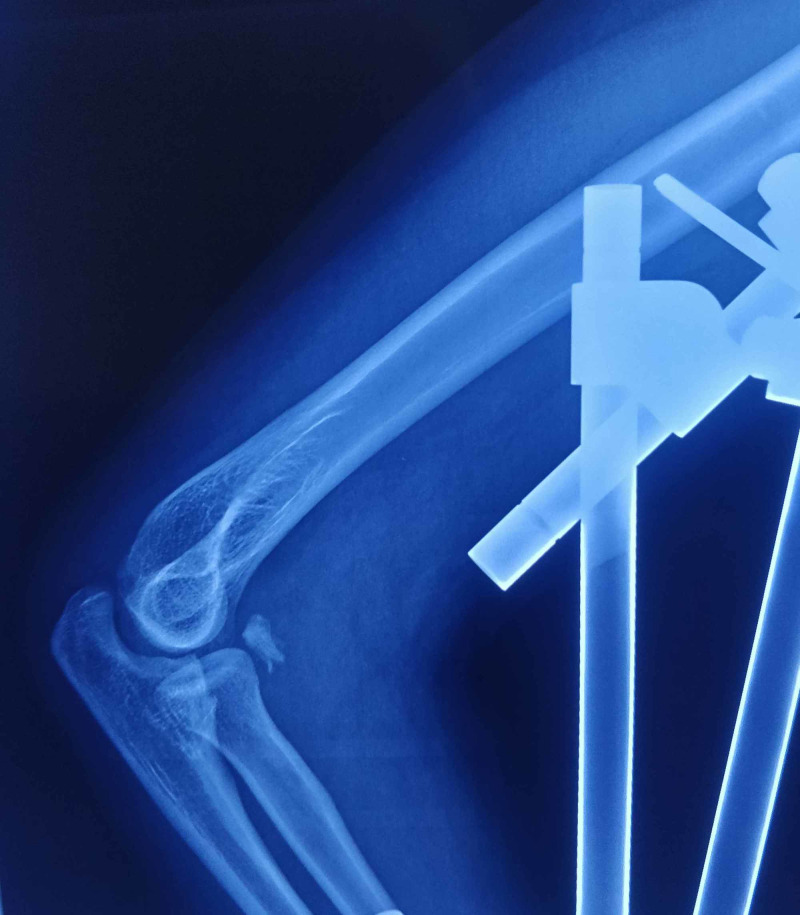
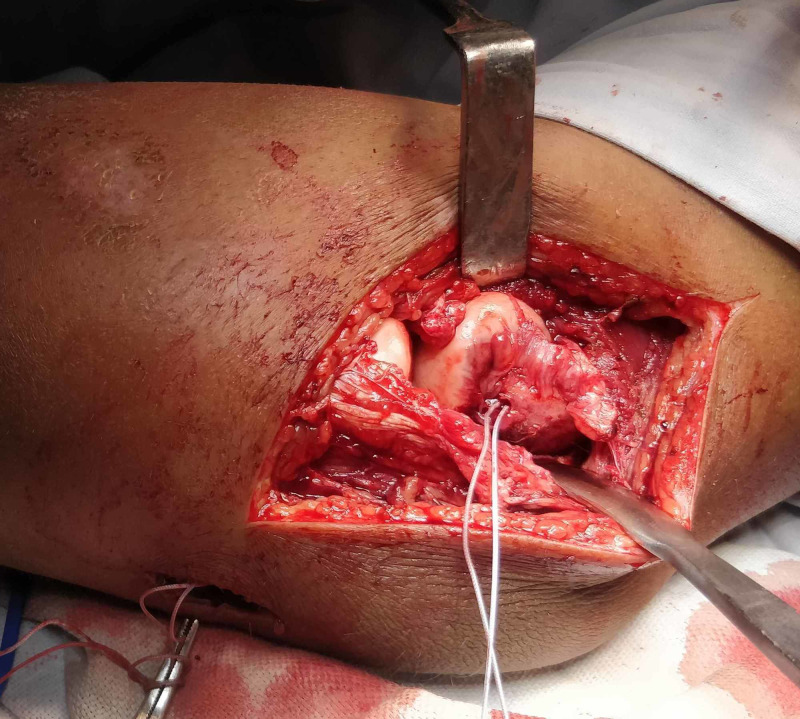
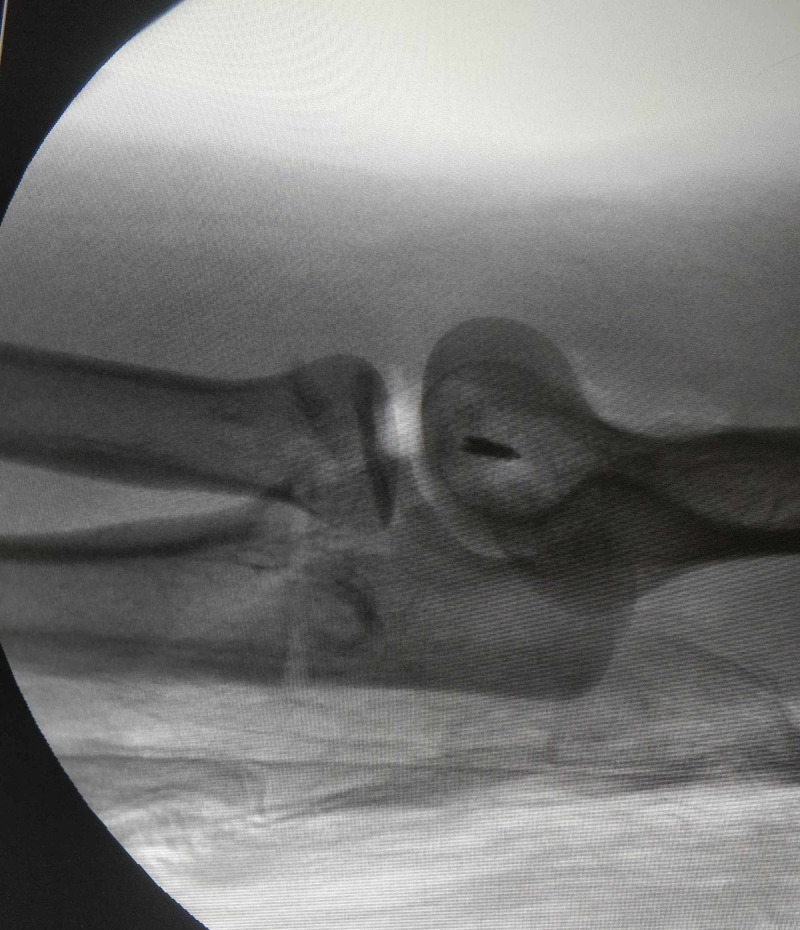
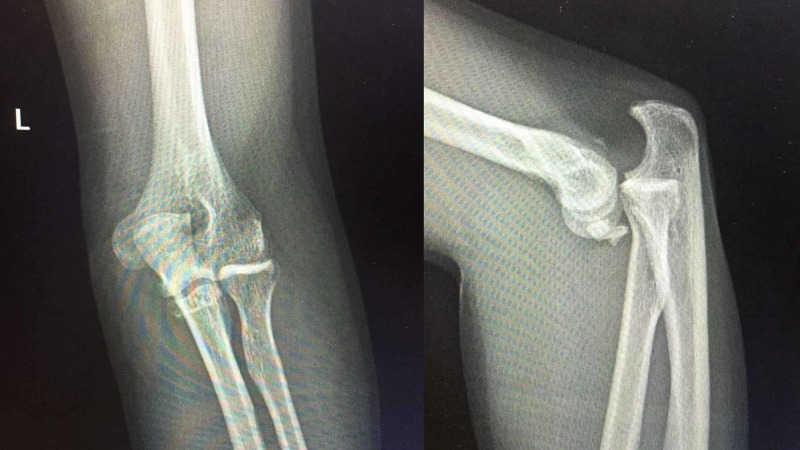
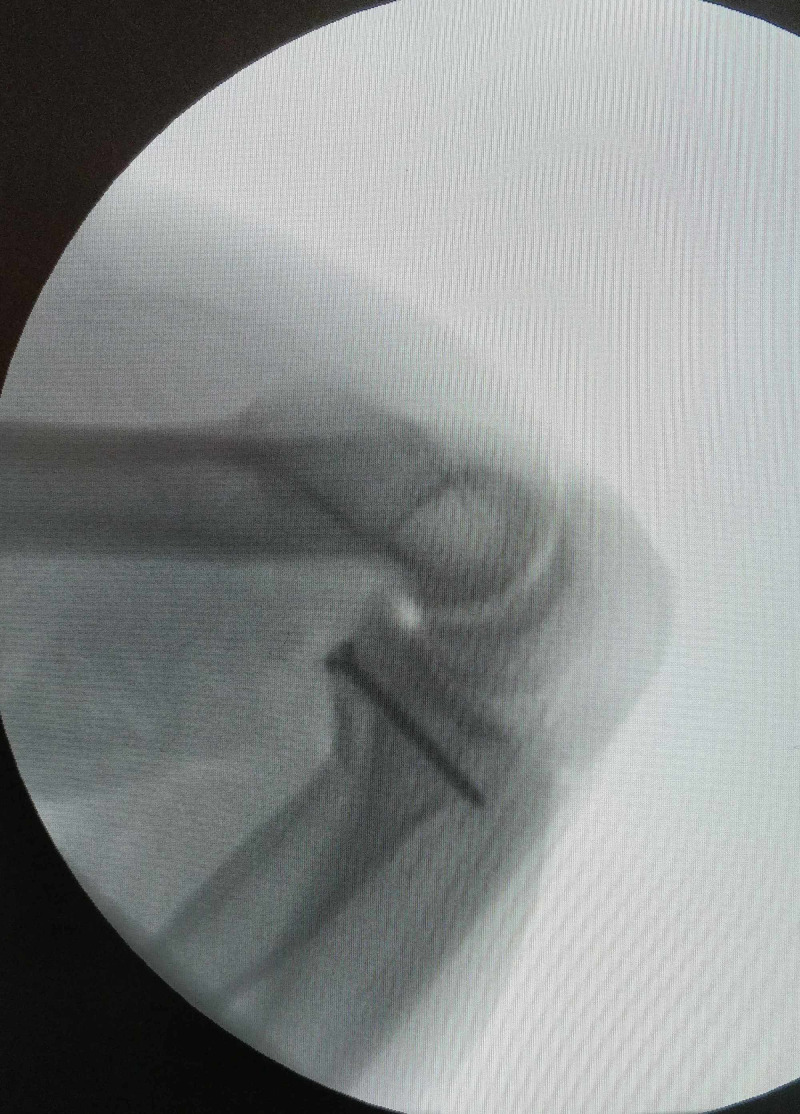
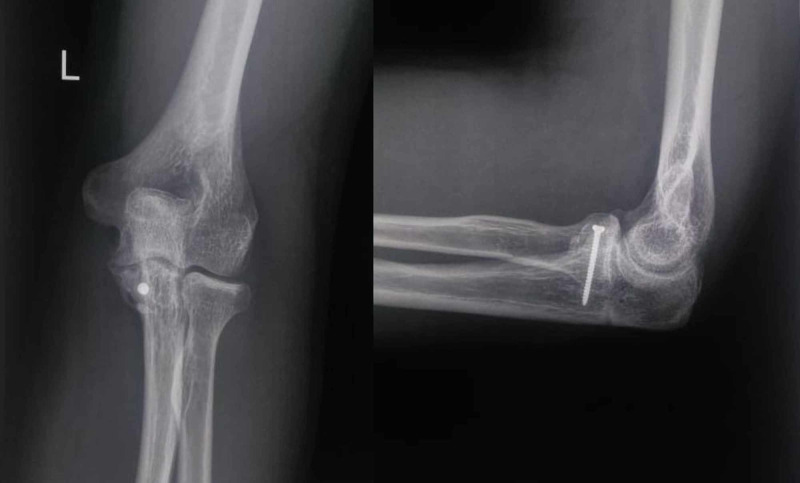
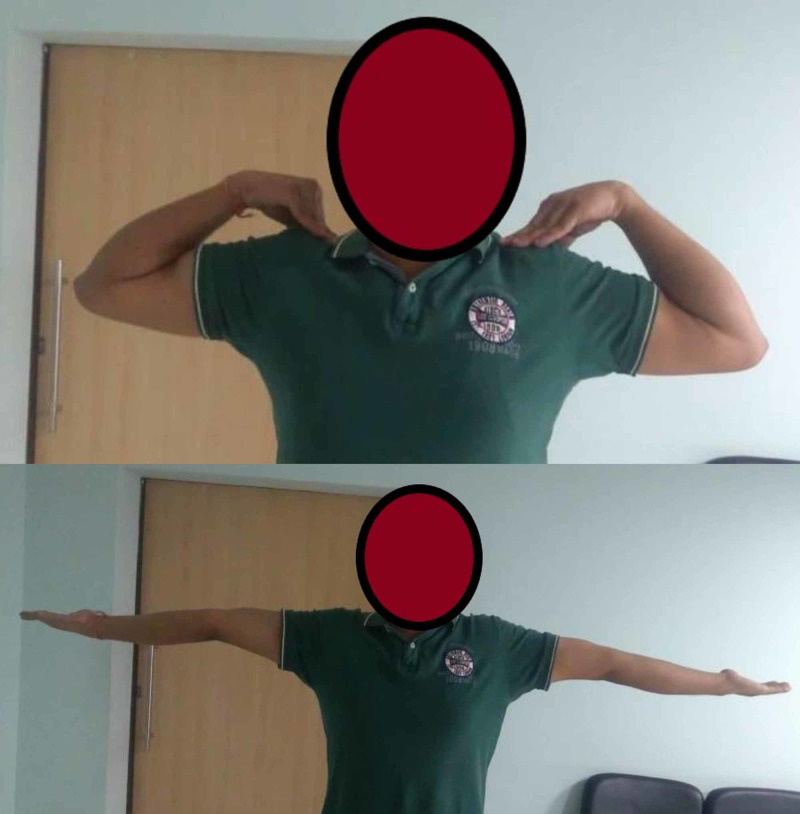
Coronoid fractures are less frequent injuries seen in around one-tenth of patients with elbow dislocation. Any injury to the coronoid process can be associated with elbow instability, in which injury to collateral ligaments co-exists, resulting in a loss of congruency of the elbow joint. However, there is a scarcity of evidence regarding patients' management with elbow dislocation and associated coronoid fractures. So, our aim is to assess the functional outcome of the elbow after operative fixation in patients with any type of coronoid fracture with associated elbow dislocation. A total of six patients with closed coronoid fracture of the elbow, with associated elbow dislocation, without any other associated trauma or previous surgery to the same limb, were included in our study. After closed reduction, patients with an incongruent reduction of the elbow joint were operated. The injured structures were repaired in an inside-out sequence: the coronoid fragment was first reduced by using a lasso-type suture. The larger fragments of the coronoid were fixed with either a screw or a plate when deemed necessary. Then, the lateral collateral ligament was repaired either using a suture anchor or transosseous (No. 2 Arthrex; Naples, Florida) sutures. After repair, the elbow was examined for stability radiologically using the hanging arm test; a concentric reduction of the elbow in lateral view during this test indicates a stable elbow. All patients showed a good to excellent outcome on the Mayo elbow performance score (MEPS) at the final follow-up (three patients had an excellent score while three had a good score). At the final follow-up, mean elbow flexion was 124º, loss of extension was 10º in only one patient, mean supination was 80º, and mean pronation was 72º. Isolated fractures of the coronoid associated with elbow dislocation require appropriate evaluation and management. Closed reduction and immobilization alone in young and active patients may not be sufficient, especially in patients with incongruent ulnohumeral joint. Surgical fixation of the coronoid fragment and repair of the collateral ligament, whenever indicated, can provide good functional outcomes.
Keywords: coronoid fracture; elbow dislocation; lateral collateral ligament.
Copyright © 2020, Kumar et al.
Conflict of interest statement
The authors have declared that no competing interests exist.
Figures
References
-
- Regan W, Morrey BF. The Elbow and Its Disorders. 3rd. Philadelphia: WB Saunders; 2000. Coronoid process and Monteggia fractures; pp. 396–408.
-
- Fracture of the coronoid process requiring open reduction with internal fixation: a case report. Selesnick FH, Dolitsky B, Haskell SS. https://pubmed.ncbi.nlm.nih.gov/6490710/ J Bone Joint Surg Am. 1984;66:1304–1306. - PubMed
-
- Management and outcome of 103 acute fractures of the coronoid process of the ulna. Adams JE, Hoskin TL, Morrey BF, Steinmann SP. J Bone Joint Surg Br. 2009;91:632–635. - PubMed
-
- Anatomy of the coronoid process. Matzon JL, Widmer BJ, Draganich LF, Mass DP, Phillips CS. J Hand Surg Am. 2006;31:1272–1278. - PubMed
-
- Role of the coronoid process in varus osteoarticular stability of the elbow. Hull JR, Owen JR, Fern SE, Wayne JS, Boardman ND. J Shoulder Elbow Surg. 2005;14:441–446. - PubMed
LinkOut - more resources
Full Text Sources