


Repurposing therapeutics for COVID-19: Rapid prediction of commercially available drugs through machine learning and docking
- PMID: 33180803
- PMCID: PMC7660547
- DOI: 10.1371/journal.pone.0241543
Repurposing therapeutics for COVID-19: Rapid prediction of commercially available drugs through machine learning and docking
Abstract
Background: The outbreak of the novel coronavirus disease COVID-19, caused by the SARS-CoV-2 virus has spread rapidly around the globe during the past 3 months. As the virus infected cases and mortality rate of this disease is increasing exponentially, scientists and researchers all over the world are relentlessly working to understand this new virus along with possible treatment regimens by discovering active therapeutic agents and vaccines. So, there is an urgent requirement of new and effective medications that can treat the disease caused by SARS-CoV-2.
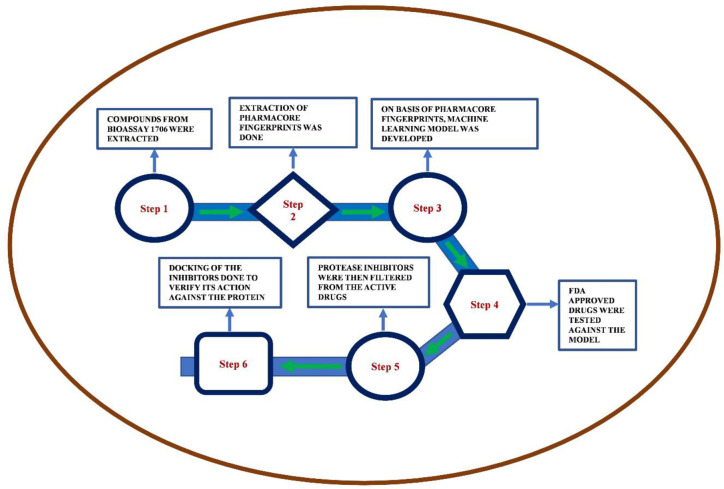
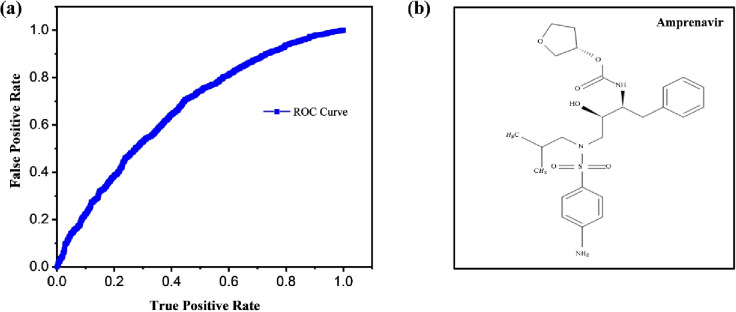
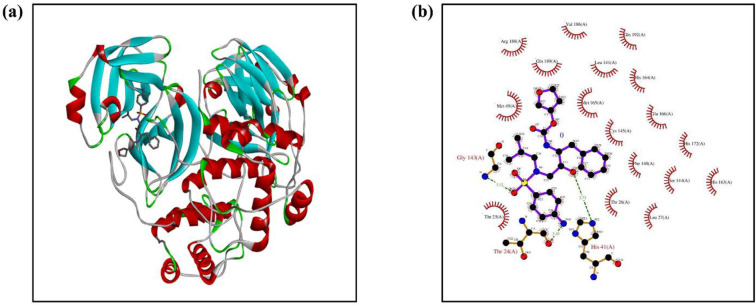
Methods and findings: We perform the study of drugs that are already available in the market and being used for other diseases to accelerate clinical recovery, in other words repurposing of existing drugs. The vast complexity in drug design and protocols regarding clinical trials often prohibit developing various new drug combinations for this epidemic disease in a limited time. Recently, remarkable improvements in computational power coupled with advancements in Machine Learning (ML) technology have been utilized to revolutionize the drug development process. Consequently, a detailed study using ML for the repurposing of therapeutic agents is urgently required. Here, we report the ML model based on the Naive Bayes algorithm, which has an accuracy of around 73% to predict the drugs that could be used for the treatment of COVID-19. Our study predicts around ten FDA approved commercial drugs that can be used for repurposing. Among all, we found that 3 of the drugs fulfils the criterions well among which the antiretroviral drug Amprenavir (DrugBank ID-DB00701) would probably be the most effective drug based on the selected criterions.
Conclusions: Our study can help clinical scientists in being more selective in identifying and testing the therapeutic agents for COVID-19 treatment. The ML based approach for drug discovery as reported here can be a futuristic smart drug designing strategy for community applications.
Conflict of interest statement
The authors have declared that no competing interests exist.
Figures
References
Publication types
MeSH terms
LinkOut - more resources
Full Text Sources
Miscellaneous
