


Evidences of SARS-CoV-2 virus air transmission indoors using several untouched surfaces: A pilot study
- PMID: 33182011
- PMCID: PMC7836800
- DOI: 10.1016/j.scitotenv.2020.142317
Evidences of SARS-CoV-2 virus air transmission indoors using several untouched surfaces: A pilot study
Abstract
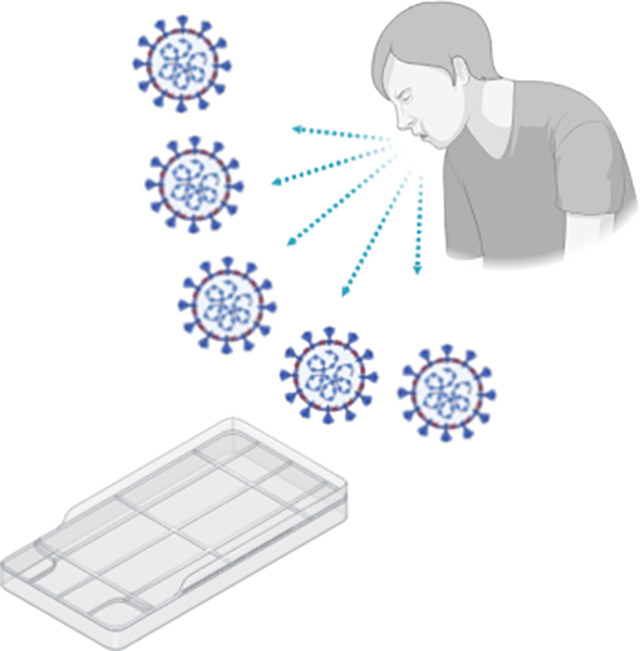
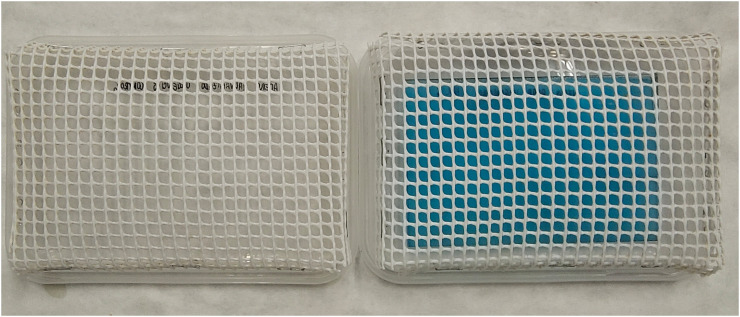
Nowadays, there is an important controversy about coronavirus air transmission. The aim of this study was to determine aerosol transmission from patients with coronavirus infection using "COVID-19 traps" that included different untouched surfaces within them. 42 swab samples of 6 different surfaces placed in the rooms of 6 patients with a positive diagnostic of COVID-19 were analyzed with RT-PCR technique to evaluate the presence of the virus and its stability. Samples were collected at 24, 48 and 72 h. Patients were in an intensive care unit (ICU) and in a COVID-19 ward unit (CWU) at a Spanish referral hospital. None of the samples placed in the ICU unit were positive for COVID-19. However, two surfaces, placed in a CWU room with a patient that required the use of respiratory assistance were positive for coronavirus at 72 h. Surfaces could not be touched by patients or health workers, so viral spreading was unequivocally produced by air transmission. Thus, fomites should be considered as a possible mode of transmission of coronavirus and frequent disinfection of surfaces should be taken into account. Our results, although preliminary, point the importance of SARS-CoV-2 virus air transmission indoors and may shed some light in this debate.
Keywords: Aerosol transmission; COVID-19 traps; Coronavirus; RT-PCR; Untouched surfaces.
Copyright © 2020 Elsevier B.V. All rights reserved.
Conflict of interest statement
Declaration of competing interest The authors declare that they have no known competing financial interests or personal relationships that could have appeared to influence the work reported in this paper.
Figures
References
-
- Duan S.M., Zhao X.S., Wen R.F., Huang J.J., Pi G.H., Zhang S.X., et al. Stability of SARS coronavirus in human specimens and environment and its sensitivity to heating and UV irradiation. Biomed. Environ. Sci. 2003;16:246–255. - PubMed
MeSH terms
LinkOut - more resources
Full Text Sources
Other Literature Sources
Miscellaneous
