Review
. 2020 Dec;131(6):1730-1750.
doi: 10.1213/ANE.0000000000005191.

Disease Mechanisms of Perioperative Organ Injury

Affiliations
Review

Disease Mechanisms of Perioperative Organ Injury

Catharina Conrad et al. Anesth Analg. 2020 Dec.

Abstract

Despite substantial advances in anesthesia safety within the past decades, perioperative mortality remains a prevalent problem and can be considered among the top causes of death worldwide. Acute organ failure is a major risk factor of morbidity and mortality in surgical patients and develops primarily as a consequence of a dysregulated inflammatory response and insufficient tissue perfusion. Neurological dysfunction, myocardial ischemia, acute kidney injury, respiratory failure, intestinal dysfunction, and hepatic impairment are among the most serious complications impacting patient outcome and recovery. Pre-, intra-, and postoperative arrangements, such as enhanced recovery after surgery programs, can contribute to lowering the occurrence of organ dysfunction, and mortality rates have improved with the advent of specialized intensive care units and advances in procedures relating to extracorporeal organ support. However, no specific pharmacological therapies have proven effective in the prevention or reversal of perioperative organ injury. Therefore, understanding the underlying mechanisms of organ dysfunction is essential to identify novel treatment strategies to improve perioperative care and outcomes for surgical patients. This review focuses on recent knowledge of pathophysiological and molecular pathways leading to perioperative organ injury. Additionally, we highlight potential therapeutic targets relevant to the network of events that occur in clinical settings with organ failure.


Conflict of interest statement

Conflicts of Interests/Financial Disclosures: none

Figures

Figure 1:
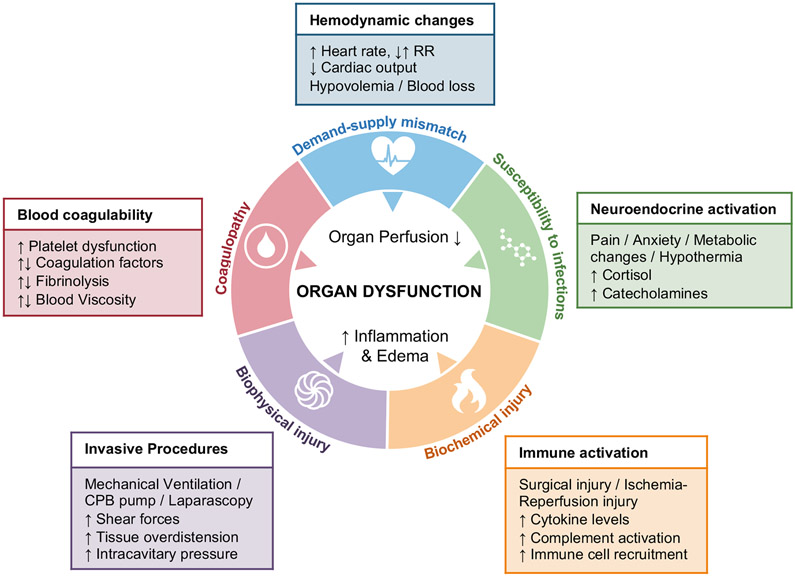
Figure 1:. Pathophysiological mechanisms of perioperative organ injury.
Inflammation and ischemia are the pathophysiological hallmarks of perioperative single or multiple organ failure . During the perioperative period, organ perfusion can be significantly impacted by hemodynamic changes (blue) resulting from a demand-supply mismatch and/or hemostatic abnormalities (red) including either coagulopathic bleeding, or clotting. Neuroendocrine activation as part of the physiological stress response to the surgical insult can alter the immunological profile and contribute to increased susceptibility to infection (green). The surgical insult can trigger an uncontrolled inflammatory response with excessive release of inflammatory mediators and cytotoxic molecules, causing biochemical tissue damage, barrier dysfunction and edema (yellow). Concomitant activation of immune cells in a sterile environment can result in collateral tissue damage and organ dysfunction. Mechanical forces, such as mechanical ventilation, surgery on use of cardiopulmonary bypass pump or laparoscopy can cause tissue over distension and shear stress. Exposure to artificial surfaces and membrane oxygenators can contribute to immune cell activation and amplify collateral tissue damage (purple).
Figure 2:
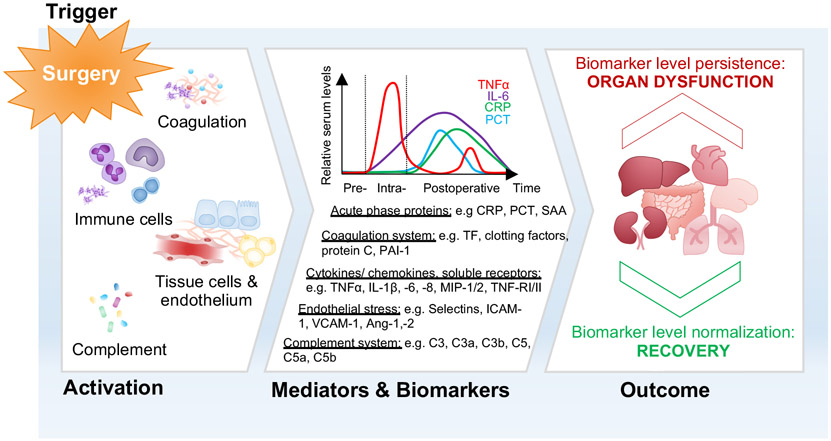
Figure 2:. Simplified overview of the cellular sources and time-course of biomarker release after surgery.
Surgery (‘Trigger’) causes localized organ injury and triggers the release of danger signals, thereby activating the coagulation and complement system, and the immune response including stimulation of inflammatory and tissue cells (‘Activation’). During and after the operation, cellular damage and immunological activity lead to the release of various mediators in a timely coordinated manner, which relate to the course of the response to the surgical insult (‘Mediators and Biomarker’). These molecules are considered as biomarkers and have been suggested to have predictive values before tissue injury for specific organs becomes irreversible. The normalization of biomarker levels over time indicates recovery from tissue damage, whereas biomarker persistence points toward a significant and potentially permanent impact on organ function (‘Outcome’). (Ang, Angiopoetin, C3 and C5, complement component 3 and 5; CRP, C-reactive protein; ICAM, Intercellular adhesion molecule 1; IL, Interleukin; MIP, Macrophage inflammatory protein; PCT, Procalcitonin; PAI-1, Plasminogen activator inhibitor 1; SAA, Serum Amyloid; TF, Tissue Factor; TNFα, Tumor-necrosis factor α; TNF-R, Tumor necrosis factor receptor; VCAM, vascular cell adhesion molecule-1)
Figure 3:
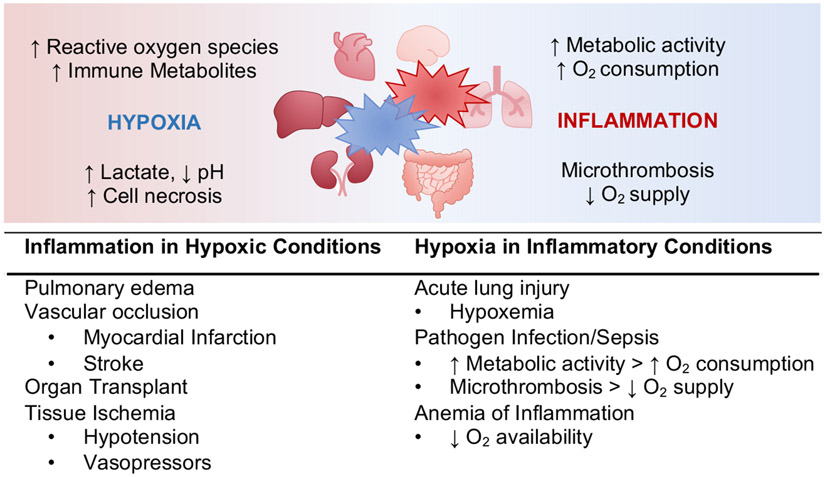
Figure 3:. Links between Hypoxia and Inflammation.
Inflammed tissue (red) lesions are profoundly hypoxic, and hypoxia (blue) is a proinflammatory stimulus. Limited cellular oxygen availability results in the accumulation of cytotoxic metabolites, causing tissue damage and necrosis. Inflammation causes localized hypoxia by increased metabolic activity and oxygen (O2) consumption by immune and tissue cells. In addition, activated endothelial cells promote platelet aggregation and microthrombosis, thereby reducing oxygen supply. Examples for clinical condition primarily characterized by tissue hypoxia that causes inflammatory changes are summarized in the left panel, and perioperative inflammatory manifestations leading to tissue hypoxia on the right.
Figure 4:
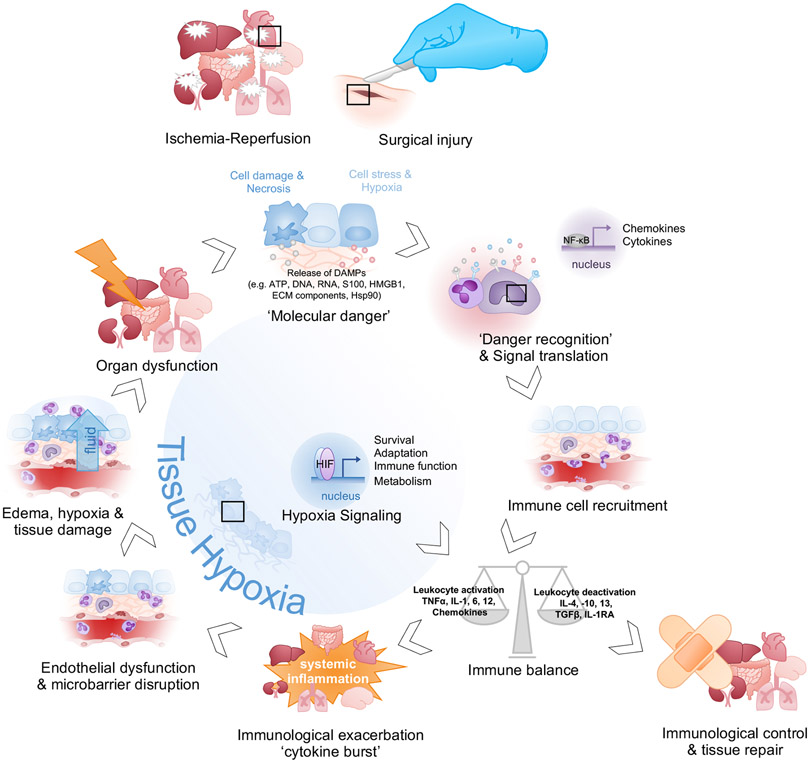
Figure 4:. Cellular mechanisms leading to organ dysfunction.
Ischemia-reperfusion or surgical injury leads to local cellular damage, hypoxia and necrosis, and leads to the release of endogenous danger signals (DAMPs) from injured tissues (‘Molecular Danger’). DAMPs bind to pattern-recognition receptors (PRRs) on immune, endothelial, and epithelial cells and induce pro-inflammatory cytokine release and upregulation of adhesion molecules on the endothelium (‘Danger Recognition and Signal translation’). Activated leukocytes traffic to the site of injury and release cytokines, chemokines, and cytotoxic molecules to pre-empt impending infection (‘Immune cell recruitment’). The net inflammatory activity (‘Immune balance’) can either drive resolution and tissue repair (‘Immunological control’) or induce uncontrolled, systemic inflammation (‘Immunological exacerbation’). Cytotoxic molecules and reactive species from immune cells damage endothelial cells, leading to plasma leakage and subsequent tissue edema (‘Endothelial Dysfunction & Microbarrier disruption’). Tissue swelling and sustained inflammatory activity cause hypoxia and cellular damage (‘Edema, hypoxia & tissue damage’), leading to organ injury (‘Organ dysfunction’). Persistent cellular destruction can induce an amplification loop, in which leukocyte recruitment is maintained through sustained release of signals of tissue injury (‘Molecular Danger’). Nevertheless, although hypoxia can generate cytotoxic metabolites that induce proinflammatory responses and break down tissue barriers, there are many examples in which stabilization of HIFs induces tissue-protective responses (‘Hypoxia Signaling’). (ATP, adenosine triphosphate; ECM, extracellular matrix; IL, interleukin; IL1-RA, interleukin-1 receptor antagonist; NF-κB, nuclear factor kappa B; HMGB-1, high-mobility group protein box 1; Hsp90, heat-shock protein 90; PRR, pattern-recognition receptor; S100, S100 protein; TGFβ, transforming growth factor β; TNFα, tumor necrosis factor α;)
Figure 5:
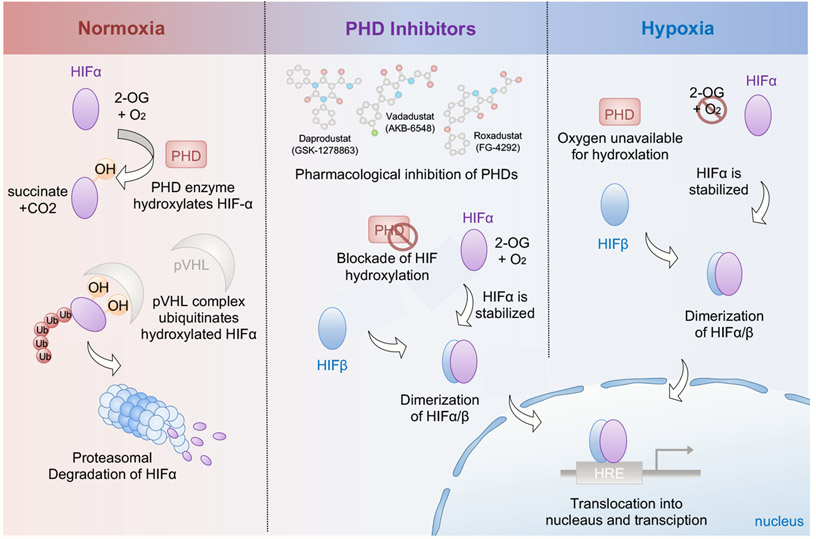
Figure 5:. Regulation of Hypoxia-inducible factor (HIF) during normoxia and hypoxia.
Insufficient organ perfusion, respiratory system failure, and anemia can lead to cellular hypoxia. In normoxic conditions, the proline residues of HIFα subunits are constantly hydroxylated by oxygen-dependent prolyl-4-hydroxylases (PHDs). Von Hippel–Lindau protein (pVHL), an E3 ubiquitin ligase, recognizes hydroxylated HIFα and targets it for proteasomal degradation (left panel, light red). When oxygen levels drop (right panel, light blue), molecular O2 as an essential co-substrate for PHDs is unavailable, thereby inhibiting hydroxylase activity. Small PHD-inhibitors, such as roxadustat, vadadustat and daprodustat, block the function of PHDs and can mimic cellular hypoxia (middle). Subsequently, HIFα escapes the PHD-dependent hydroxylation under hypoxic conditions, dimerizes with the HIFβ subunit and translocates into the nucleus. Binding of the HIF-α:HIF-β transcription factor complex to the hypoxia-responsive elements (HREs) in the promoter regions activates target gene expression. (HIF, hypoxia-inducible factor; 2-OG, 2-oxoglutarate; O2, oxygen, CO2, carbon dioxide, OH, hydroxyl group; PHD, prolyl hydroxylase domain protein; pVHL, von Hippel–Lindau tumor suppressor; Ub, ubiquitin; HRE, hypoxia-responsive element; p300/CBP, p300/CREB-binding protein)

Comment in

References

    1. Haynes AB, Weiser TG, Berry WR, et al. A surgical safety checklist to reduce morbidity and mortality in a global population. N Engl J Med. 2009;360(5):491–499. - PubMed
    1. Glance LG, Lustik SJ, Hannan EL, et al. The Surgical Mortality Probability Model: derivation and validation of a simple risk prediction rule for noncardiac surgery. Ann Surg. 2012;255(4):696–702. - PubMed
    1. Pearse RM, Moreno RP, Bauer P, et al. Mortality after surgery in Europe: a 7 day cohort study. Lancet. 2012;380(9847):1059–1065. - PMC - PubMed
    1. Nepogodiev D, Martin J, Biccard B, Makupe A, Bhangu A, Surgery NIfHRGHRUoG. Global burden of postoperative death. Lancet. 2019;393(10170):401. - PubMed
    1. Rose J, Weiser TG, Hider P, Wilson L, Gruen RL, Bickler SW. Estimated need for surgery worldwide based on prevalence of diseases: a modelling strategy for the WHO Global Health Estimate. Lancet Glob Health. 2015;3 Suppl 2:S13–20. - PMC - PubMed

Publication types

MeSH terms