. 2020 Nov 13;3(1):673.
doi: 10.1038/s42003-020-01387-1.

A GDSL lipase-like from Ipomoea batatas catalyzes efficient production of 3,5-diCQA when expressed in Pichia pastoris

Affiliations

A GDSL lipase-like from Ipomoea batatas catalyzes efficient production of 3,5-diCQA when expressed in Pichia pastoris

Sissi Miguel et al. Commun Biol. .

Erratum in

Abstract

The synthesis of 3,5-dicaffeoylquinic acid (3,5-DiCQA) has attracted the interest of many researchers for more than 30 years. Recently, enzymes belonging to the BAHD acyltransferase family were shown to mediate its synthesis, albeit with notably low efficiency. In this study, a new enzyme belonging to the GDSL lipase-like family was identified and proven to be able to transform chlorogenic acid (5-O-caffeoylquinic acid, 5-CQA, CGA) in 3,5-DiCQA with a conversion rate of more than 60%. The enzyme has been produced in different expression systems but has only been shown to be active when transiently synthesized in Nicotiana benthamiana or stably expressed in Pichia pastoris. The synthesis of the molecule could be performed in vitro but also by a bioconversion approach beginning from pure 5-CQA or from green coffee bean extract, thereby paving the road for producing it on an industrial scale.


Conflict of interest statement

The authors declare no competing interests.

Figures
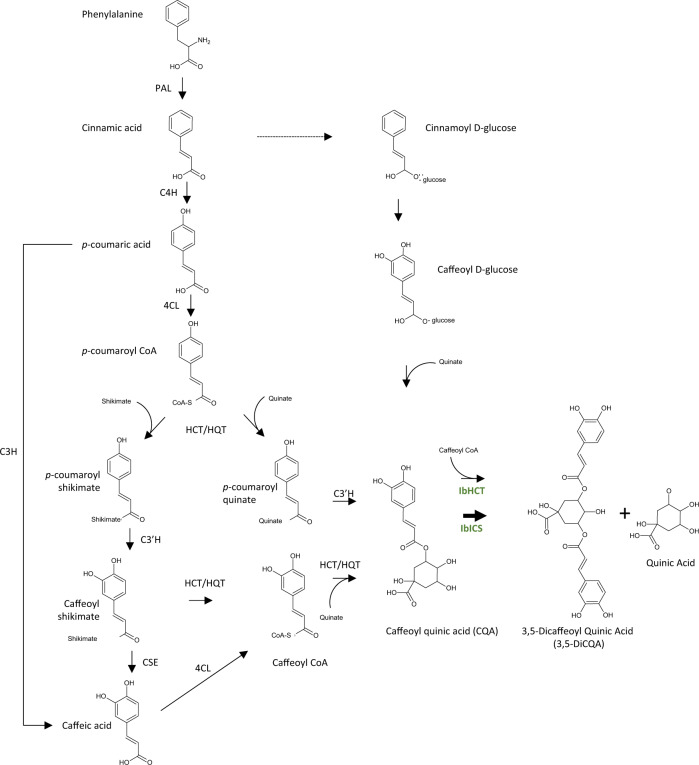
Fig. 1
Fig. 1. Simplified biosynthetic pathway of 3,5-DiCQA. IbHCT and IbICS (in green) are two enzymes of Ipomoea batatas characterized in this study.
PAL L-phenylalanine ammonia-lyase, C4H cinnamate 4-hydroxylase, C3H 4-coumarate 3-hydroxylase, 4CL 4-coumaroyl-CoA ligase, HCT/HQT 4-hydroxycinnamoyl CoA: shikimate/quinate hydroxycinnamoyl transferase, C3’H 4-coumaroyl shikimate/quinate 3’-hydroxylase, CSE caffeoyl shikimate esterase, IbICS isochlorogenate synthase from I. batatas, IbHCT HCT from I. batatas.
Fig. 2
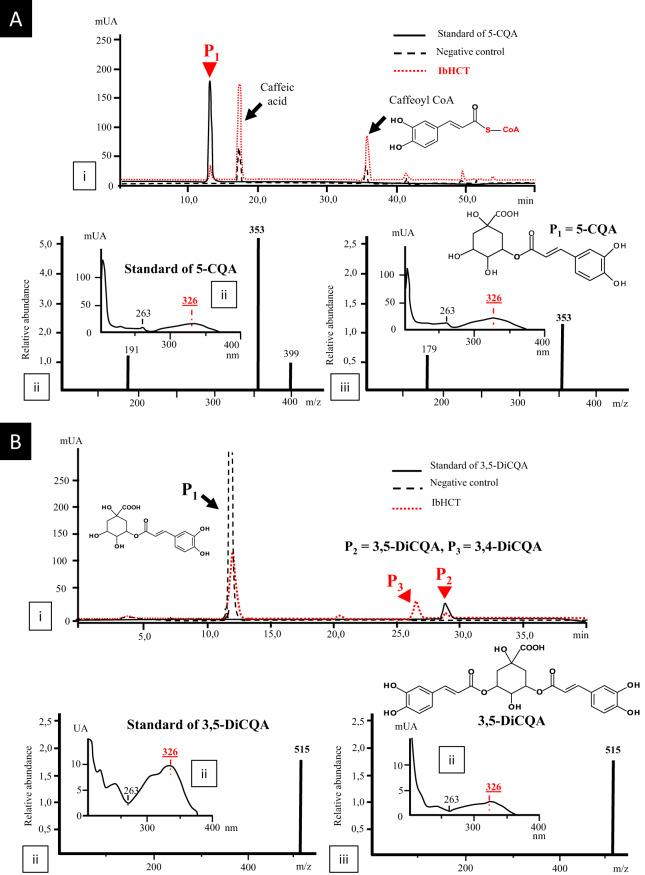
Fig. 2. Enzymatic conversion of caffeoyl CoA and quinic acid in 5-CQA.
Synthesis of 5-CQA from caffeoyl CoA and quinic acid (a) and of 3,5-DiCQA from caffeoyl-CoA and 5-CQA (b) catalyzed by IbHCT after a 1 h incubation at 30 °C at pH 7.0 or 6.0, respectively. (i) HPLC profile of the reaction mixtures after incubation with the recombinant protein, of the standards or of reaction mixtures incubated in the absence of the recombinant protein; (ii) UV spectrum and MS profile of standards; (iii) UV spectrum and MS profile of metabolization products.
Fig. 3
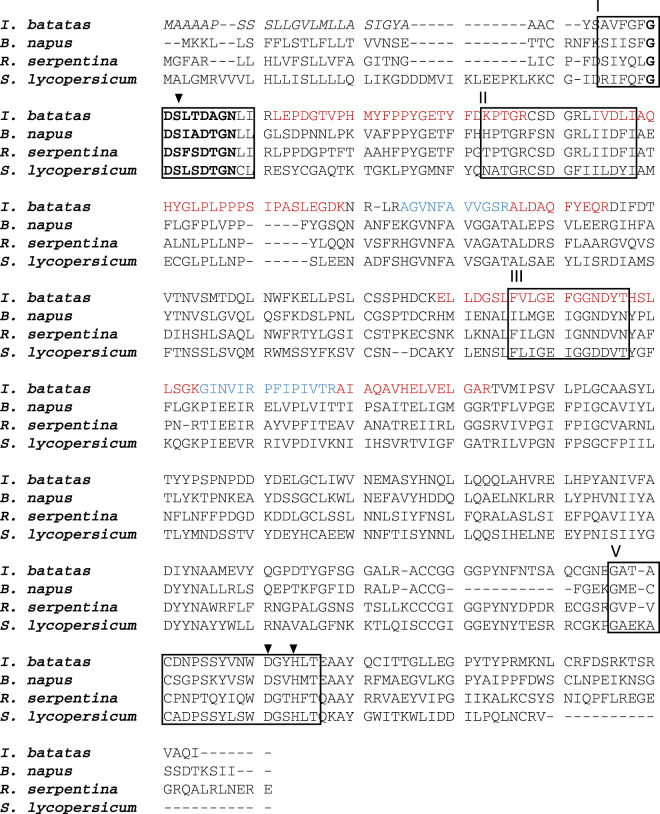
Fig. 3. Alignment of the deduced amino acid sequence of IbICS with biochemically characterized GDSL lipase-like proteins.
The IbICS peptide sequence was deduced from cDNA and aligned with sinapine esterase from Brassica napus (AAX59709), acetylajmaline esterase from Rauvolfia serpentina (AY762990) and chlorogenate: glutarate caffeoyltransferase from Solanum lycopersicum (FR667689). The conserved GXSXXDXG motif is illustrated in bold. The predicted N-terminal leader sequences of all enzymes are shown in italics. Black box: conserved blocks in the SGNH-hydrolysase family (I, II, III and V). Amino acid residues forming the catalytic triad in the consensus sequences of blocks I and V are marked by black triangles. Sub-sequences identified by mass spectrometric sequencing after trypsin digestion are marked in red or in blue.
Fig. 4
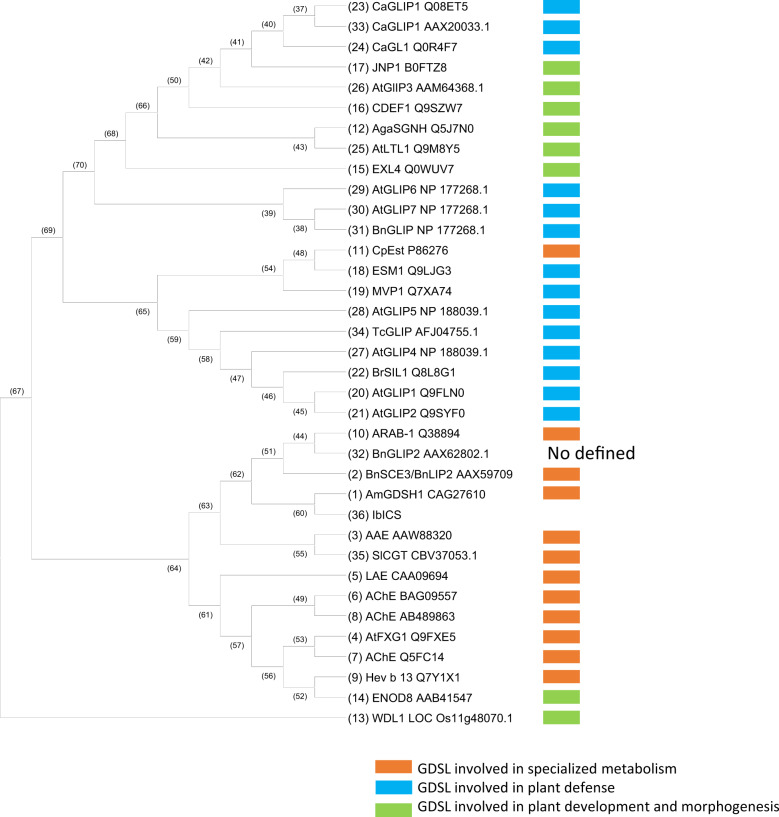
Fig. 4. Phylogenetic tree of GDSL lipase/esterase protein sequences available in public databases.
The tree was constructed using the neighbour joining method and adapted from Chepyshko et al..
Fig. 5
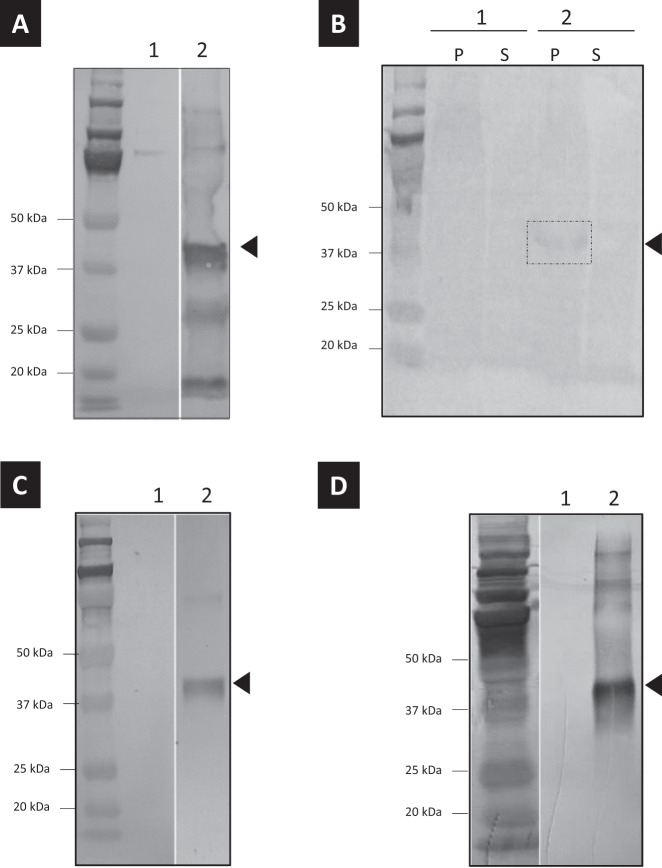
Fig. 5. Expression analysis of IbICS in different heterologous expression systems.
Western blot analysis of proteins produced and purified from a E. coli, b S. cerevisiae, c N. benthamiana and d P. pastoris. For each sample, 1 corresponds to the purification performed on cells/tissues transformed with an empty vector. 2 corresponds to the purification performed on cells/tissues transformed with a plasmid containing the IbICS CDS. P: pellet of S. cerevisiae culture after protein extraction; S: supernatant. Parts of gels separated by a space were grouped together and lined up to facilitate the visualization of results.
Fig. 6
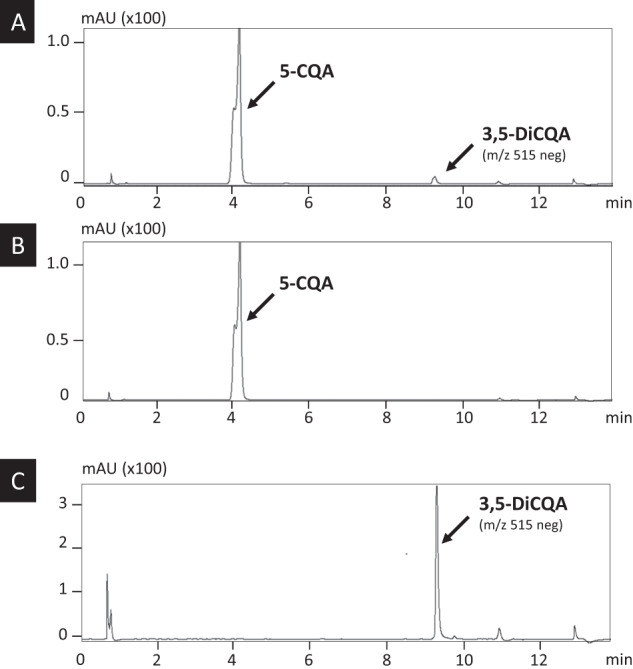
Fig. 6. HPLC analyses of the in vitro metabolization product of 5-CQA.
a 3,5-DiCQA Commercial standard. b Incubation of 5-CQA with a protein mix prepared from leaves of N. benthamiana infiltrated with recombinant A. tumefaciens transformed with an empty plasmid. c Incubation of 5-CQA with purified IbICS-HIS produced in N. benthamiana leaves. Analyses were performed at 330 nm. The identity of 3,5-DiCQA was confirmed by MS.
Fig. 7
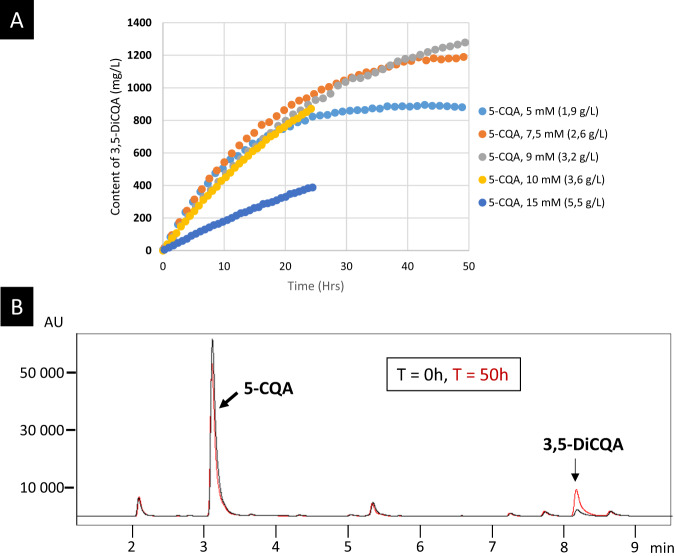
Fig. 7. 3,5-DiCQA synthesis using a bioconversion strategy with P. pastoris as a host platform.
a Time course of incubation of 3,5-DiCQA in the presence of different concentrations of pure 5-CQA. b Evaluation of the conversion efficiency in the presence of green coffee extract mix containing a high intrinsic amount of 5-CQA. Incubation was performed for 50 h. The analysis was performed at 330 nm.

References

    1. Biesalski HK. Polyphenols and inflammation: basic interactions. Curr. Opin. Clin. Nutr. 2007;10:724–728. doi: 10.1097/MCO.0b013e3282f0cef2. - DOI - PubMed
    1. Hoffmann L, Maury S, Martz F, Geoffroy P, Legrand M. Purification, cloning, and properties of an acyltransferase controlling shikimate and quinate ester intermediates in phenylpropanoid metabolism. J. Biol. Chem. 2003;278:95–103. doi: 10.1074/jbc.M209362200. - DOI - PubMed
    1. Comino C, et al. Isolation and functional characterization of a cDNA coding a hydroxycinnamoyltransferase involved in phenylpropanoid biosynthesis in Cynara cardunculus L. BMC Plant Biol. 2007;7:1–14. doi: 10.1186/1471-2229-7-14. - DOI - PMC - PubMed
    1. Niggeweg R, Michael AJ, Martin C. Engineering plants with increased levels of the antioxidant chlorogenic acid. Nat. Biotechnol. 2004;22:746–754. doi: 10.1038/nbt966. - DOI - PubMed
    1. Legrand G, et al. Identification and characterization of five bahd acyltransferases involved in hydroxycinnamoyl ester metabolism in chicory. Front. Plant Sci. 2016;7:741. doi: 10.3389/fpls.2016.00741. - DOI - PMC - PubMed

Publication types

MeSH terms

Supplementary concepts