


Coronavirus disease 2019 (COVID-19): An overview of the immunopathology, serological diagnosis and management
- PMID: 33190302
- PMCID: PMC7744910
- DOI: 10.1111/sji.12998
Coronavirus disease 2019 (COVID-19): An overview of the immunopathology, serological diagnosis and management
Abstract
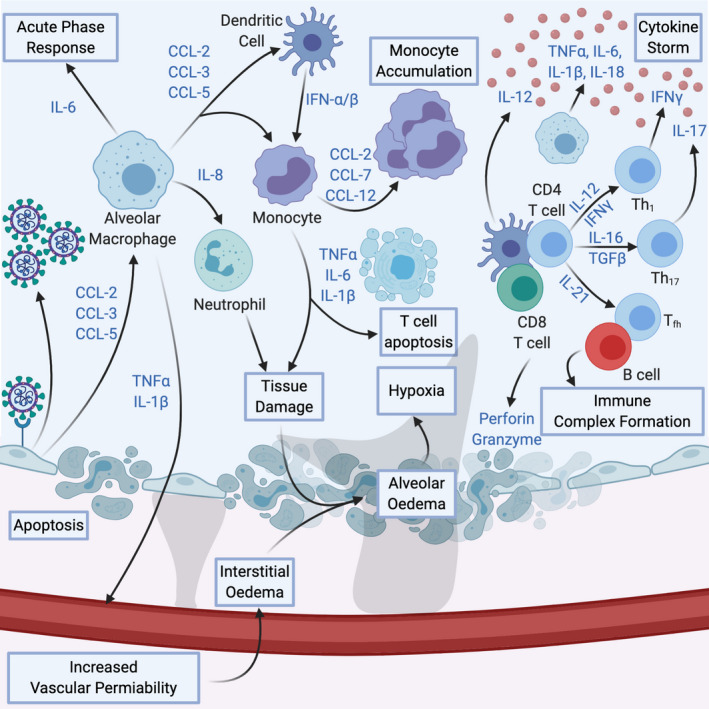
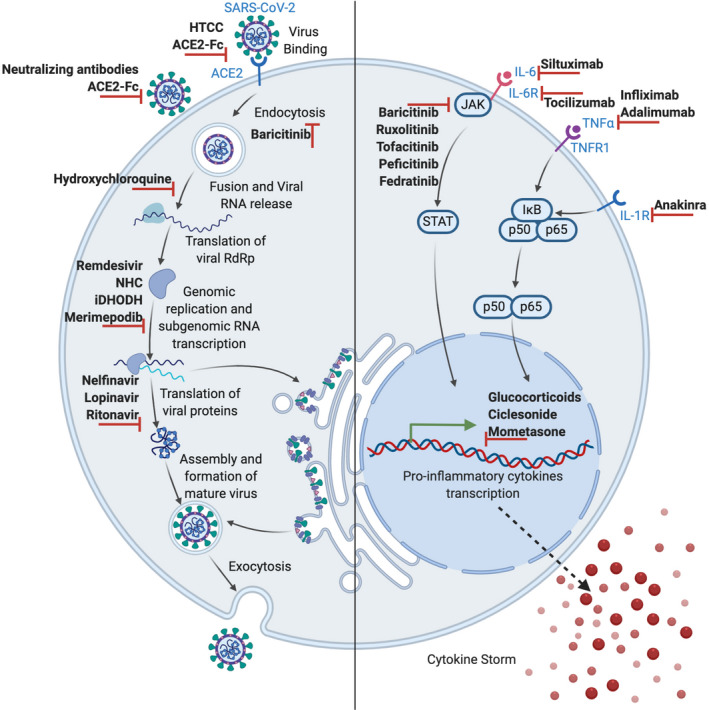
SARS-CoV-2 is a novel human coronavirus responsible for the Coronavirus disease 2019 (COVID-19) pandemic. Pneumonia and acute respiratory distress syndrome are the major complications of COVID-19. SARS-CoV-2 infection can activate innate and adaptive immune responses and result in massive inflammatory responses later in the disease. These uncontrolled inflammatory responses may lead to local and systemic tissue damage. In patients with severe COVID-19, eosinopenia and lymphopenia with a severe reduction in the frequency of CD4+ and CD8+ T cells, B cells and natural killer (NK) cells are a common feature. COVID-19 severity hinges on the development of cytokine storm characterized by elevated serum levels of pro-inflammatory cytokines. Moreover, IgG-, IgM- and IgA-specific antibodies against SARS-CoV-2 can be detected in most patients, along with the viral RNA, forming the basis for assays that aid in patient diagnosis. Elucidating the immunopathological outcomes due to COVID-19 could provide potential targets for immunotherapy and are important for choosing the best clinical management by consultants. Currently, along with standard supportive care, therapeutic approaches to COVID-19 treatment involve the use of antiviral agents that interfere with the SARS-CoV-2 lifecycle to prevent further viral replication and utilizing immunomodulators to dampen the immune system in order to prevent cytokine storm and tissue damage. While current therapeutic options vary in efficacy, there are several molecules that were either shown to be effective against other viruses such as HIV or show promise in vitro that could be added to the growing arsenal of agents used to control COVID-19 severity and spread.
Keywords: COVID-19; acute respiratory distress syndrome; coronavirus disease 2019; cytokine storm; hyperinflammation; immunopathology.
© 2020 The Scandinavian Foundation for Immunology.
Conflict of interest statement
The authors declare that they have no conflict of interest.
Figures
References
-
- WHO . World Health Organization. WHO Director‐General’s opening remarks at the media briefing on COVID‐19 ‐ 11 March 2020. 2020. Available from: https://www.who.int/dg/speeches/detail/who‐director‐general‐s‐opening‐re...
Publication types
MeSH terms
Substances
Grants and funding
LinkOut - more resources
Full Text Sources
Other Literature Sources
Medical
Research Materials
Miscellaneous
