The efficacy of IL-6 inhibitor Tocilizumab in reducing severe COVID-19 mortality: a systematic review
- PMID: 33194450
- PMCID: PMC7643559
- DOI: 10.7717/peerj.10322
The efficacy of IL-6 inhibitor Tocilizumab in reducing severe COVID-19 mortality: a systematic review
Abstract
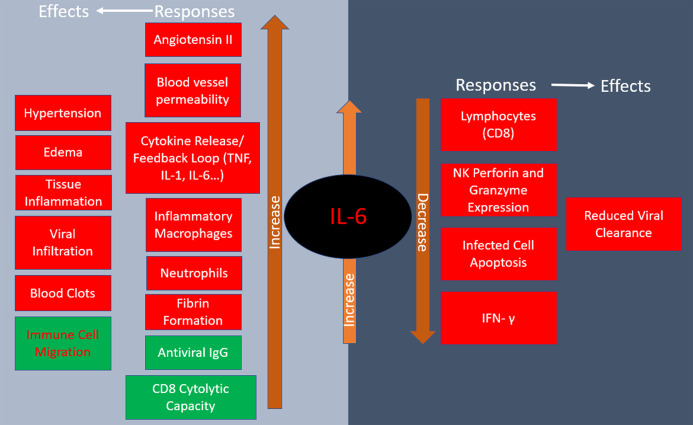
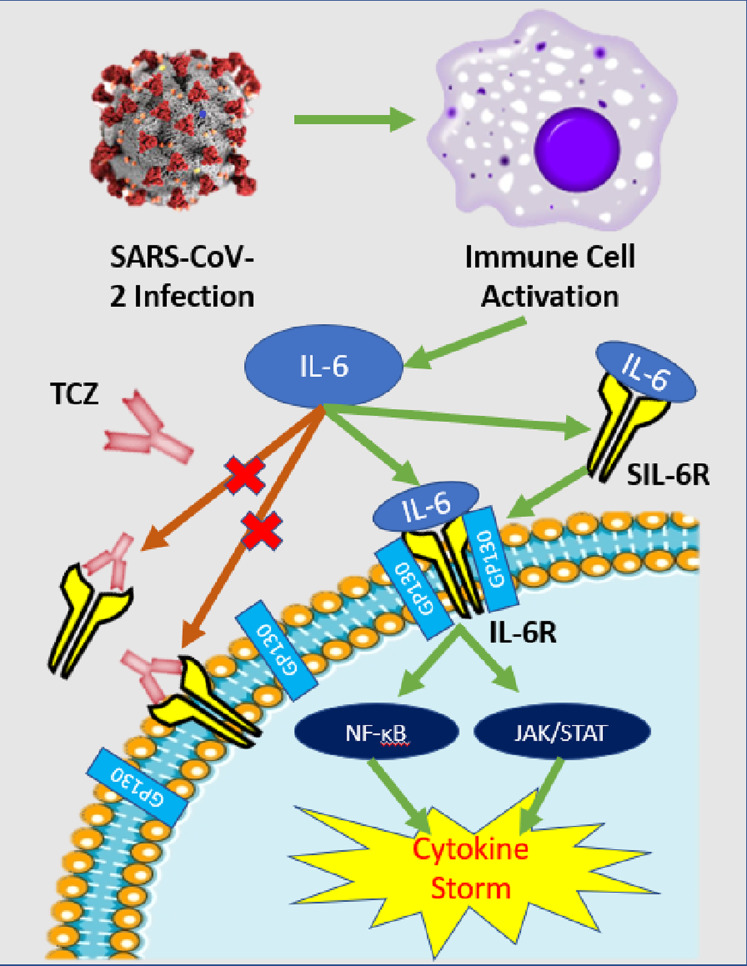
Background: In the absence of highly effective antiviral therapies against SARS-CoV-2, it is crucial to counter the known pathophysiological causes of severe COVID-19. Evaluating the efficacy existing drugs may expedite the development of such therapeutics. Severe COVID-19 is largely the result of a dysregulated immune response characterized by lymphocytopenia, neutrophilia and critical hypercytokinemia, or "cytokine storm," which is largely mediated by the cytokine interleukin-6 (IL-6). The IL-6 inhibitor tocilizumab (TCZ) could potentially suppress the effects of the pro-inflammatory cytokine and thereby lower mortality from the disease. This systematic analysis aimed to investigate and synthesize existing evidence for the efficacy of TCZ in reducing COVID-19 mortality.
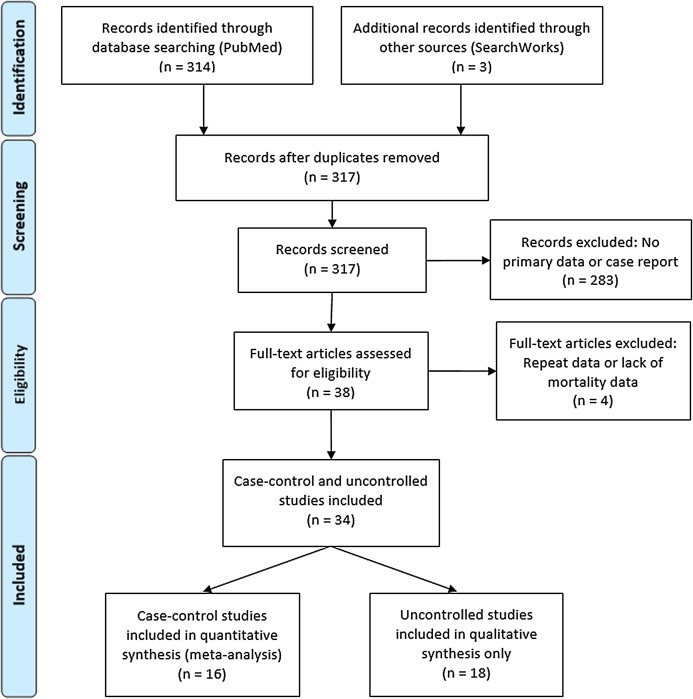
Methodology: PubMed and SearchWorks searches were performed to locate clinical studies with primary data on TCZ treatment for severe COVID-19. Sixteen case-control studies comparing mortality between TCZ and standard of care (SOC) were identified for quantitative synthesis. The systematic analysis was pre-approved through PROSPERO (CRD42020193479).
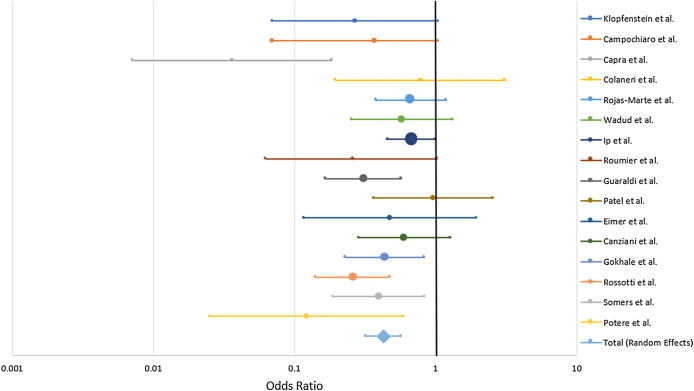
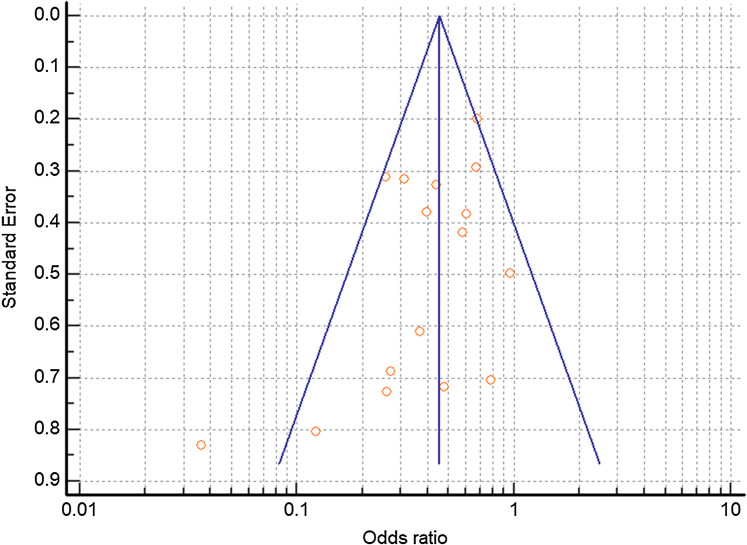
Results: Combined mortality for the TCZ-treated and SOC groups were 26.0% and 43.4% respectively. In all but one of the studies, the odds ratio of mortality from COVID-19 pointed towards lower fatality with TCZ vs the SOC. A combined random effects odds ratio calculation yielded an odds ratio of 0.453 (95% CI [0.376-0.547], p < 0.001). Additionally, 18 uncontrolled trials were identified for qualitative analysis producing a raw combined mortality rate of 16.0%.
Conclusions: Important caveats to this research include the lack of prospective randomized control trials and the absence of data from the large COVATA study from the published literature. However, results from this systematic analysis of published research provide positive evidence for the potential efficacy of TCZ to treat severe COVID-19, validating the ethical basis and merit of ongoing randomized controlled clinical trials.
Keywords: COVID-19; IL-6; SARS-COV-2; Tocilizumab.
© 2020 Kaye and Siegel.
Conflict of interest statement
The authors declare that they have no competing interests.
Figures
References
-
- Alhazzani W, Moller M, Arabi Y, Loeb M, Gong M, Fan E, Oczkowski S, Levy M, Derde L, Dzierba A, Du B, Aboodi M, Wunsch H, Cecconi M, Koh Y, Chertow D, Maitland K, Alshamsi F, Belley-Cote E, Greco M, Laundy M, Morgan J, Kesecioglu J, McGeer A, Mermel L, Mammen M, Alexander P, Arrington A, Centofanti J, Citerio G, Baw B, Memish Z, Hammond N, Hayden F, Evans L, Rhodes A. Surviving sepsis campaign: guidelines on the management of critically ill adults with Coronavirus Disease 2019 (COVID-19) Intensive Care Medicine. 2020;46(5):854–887. doi: 10.1007/s00134-020-06022-5. - DOI - PMC - PubMed
-
- Beigel J, Tomashek K, Dodd L, Mehta A, Zingman B, Kalil A, Hohmann E, Chu H, Luetkemeyer A, Kline S, Castilla D, Finberg R, Dierberg K, Tapson V, Hsieh L, Patterson T, Paredes R, Sweeney D, Short W, Touloumi G, Lye D, Ohmagari N, Oh M, Ruiz-Palacios G, Benfield T, Fatkenheuer G, Kortepeter M, Atmar R, Creech B, Lundgren J, Babiker A, Pett S, Neaton J, Burgess T, Bonnett T, Green M, Makowski M, Osinusi A, Nayak S, Lane H. Remdesivir for the treatment of Covid-19: preliminary report. The New England Journal of Medicine. 2020 doi: 10.1056/NEJMoa2007764. - DOI - PubMed
-
- Blanco-Melo D, Nilsson-Payant B, Liu W, Uhl S, Hoagland D, Moller R, Jordan T, Oishi K, Panis M, Sachs D, Wang T, Schwatz R, Lim J, Albrecht R, tenOever B. Imbalance host response to sARS-CoV-2 drives development of COVID-19. Cell. 2020;181(5):1036–1045. doi: 10.1016/j.cell.2020.04.026. - DOI - PMC - PubMed
-
- Borku Uysal B, Ikitimur H, Yavuzer S, UIkitimur B, Uysal H, Islamoglu M, Ozcan E, Aktepe E, Yavuzer H, Cengiz Tocilizumab challenge: A series of cytokine storm therapy experience in hospitalized Covid-19 pneumonia patients. Journal of Medical Virology. 2020 doi: 10.1002/jmv.26111. - DOI - PMC - PubMed
Further Reading
-
- Campins L, Boixeda R, Perez-Cordon L, Aranega R, Lopera C, Force L. Early tocilizumab treatment could improve survival among COVID-19 patients. Clinical Experimental Rheumatology. 2020;38(3):578. - PubMed
-
- Fernández-Ruiz M, López-Medrano F, Asín M, De la Calle M, Bueno H, Caro-Teller J, Catalan M, De la Calle C, Garcia R, Gomez C, Laguna-Goya R, Lizasoain M, Martinez-Lopez J, Origuen J, Pablos J, Ripoll M, Juan R, Trujillo H, Lumbreras C, Aguado J. Tocilizumab for the treatment of adult patients with severe COVID-19 pneumonia: a single-center cohort study. Journal of Medical Virology. 2020;38:529. doi: 10.1002/jmv.26308. - DOI - PMC - PubMed
-
- Jordan S, Zakowski P, Tran H, Smith E, Gaultier C, Marks G, Zabner R, Lowenstein H, Oft J, Bluen B, Le C, Shane R, Ammerman N, Vo A, Chen P, Kumar S, Toyoda M, Ge S, Huang E. Compassionate use of tocilizumab for treatment of SARS-CoV-2. Clinical of Infectious Diseases. 2020;382:2012. doi: 10.1093/cid/ciaa812. - DOI - PMC - PubMed
LinkOut - more resources
Full Text Sources
Other Literature Sources
Miscellaneous