


Bone Metabolism in Adolescents Undergoing Bariatric Surgery
- PMID: 33196832
- PMCID: PMC7823234
- DOI: 10.1210/clinem/dgaa836
Bone Metabolism in Adolescents Undergoing Bariatric Surgery
Abstract
Purpose: The prevalence of childhood obesity has increased over past decades with a concomitant increase in metabolic and bariatric surgery (MBS). While MBS in adults is associated with bone loss, only a few studies have examined the effect of MBS on the growing skeleton in adolescents.
Methods: This mini-review summarizes available data on the effects of the most commonly performed MBS (sleeve gastrectomy and gastric bypass) on bone in adolescents. A literature review was performed using PubMed for English-language articles.
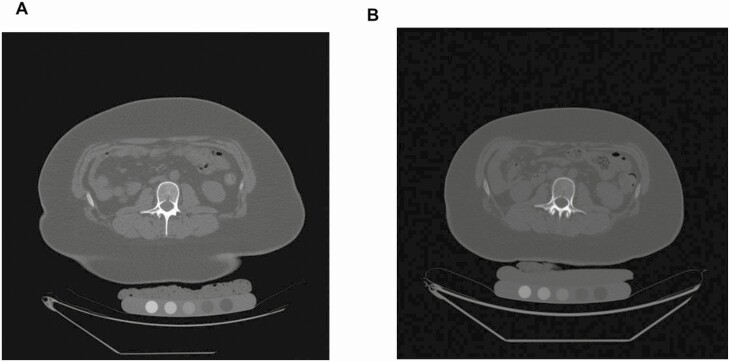
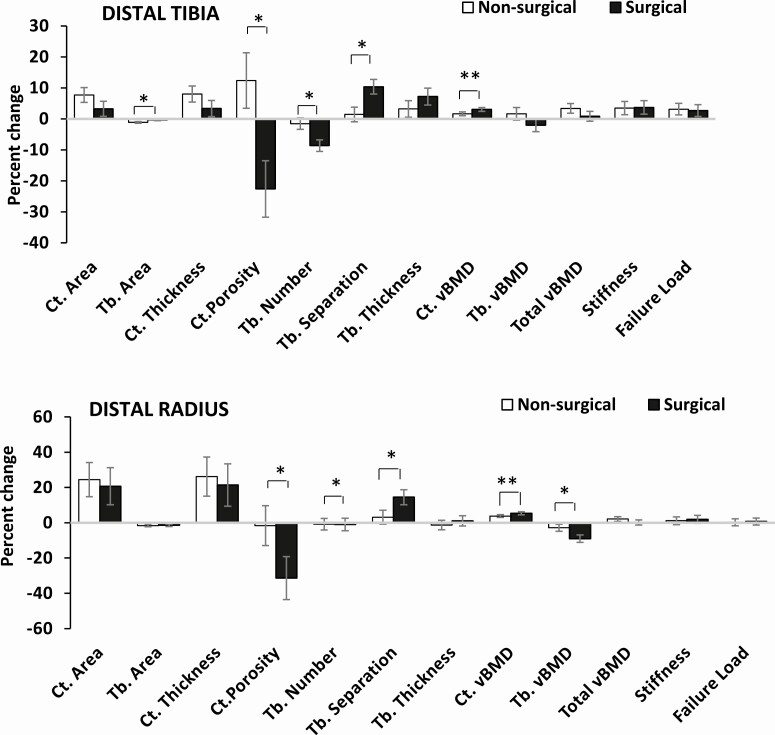
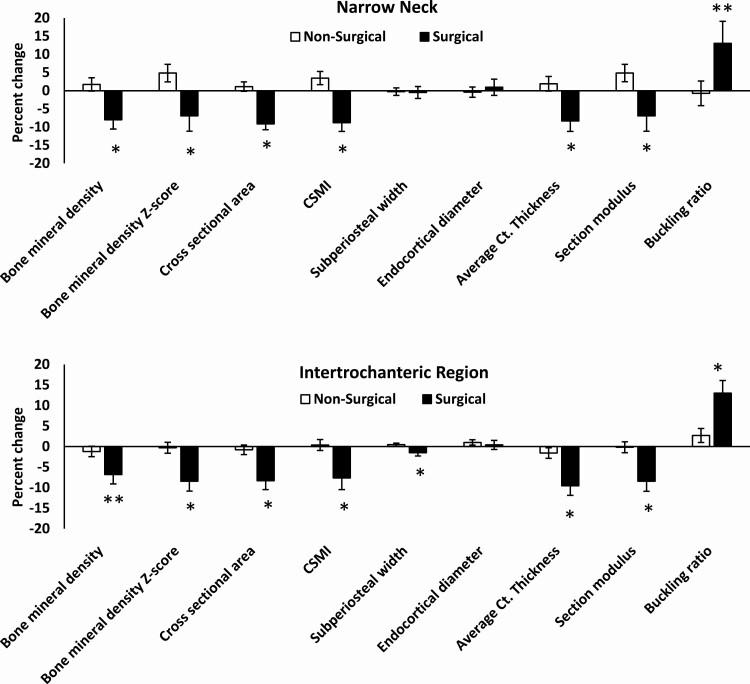
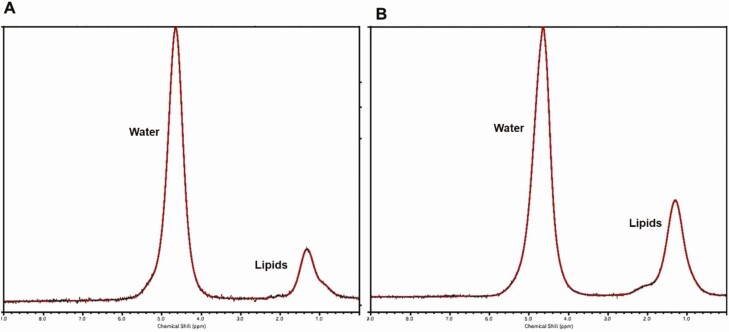
Results: Dual-energy x-ray absorptiometry (DXA) measures of areal bone mineral density (aBMD) and BMD Z scores decreased following all MBS. Volumetric BMD (vBMD) by quantitative computed tomography (QCT) decreased at the lumbar spine while cortical vBMD of the distal radius and tibia increased over a year following sleeve gastrectomy (total vBMD did not change). Reductions in narrow neck and intertrochanteric cross-sectional area and cortical thickness were observed over this duration, and hip strength estimates were deleteriously impacted. Marrow adipose tissue (MAT) of the lumbar spine increased while MAT of the peripheral skeleton decreased a year following sleeve gastrectomy. The amount of weight loss and reductions in lean and fat mass correlated with bone loss at all sites, and with changes in bone microarchitecture at peripheral sites.
Conclusion: MBS in adolescents is associated with aBMD reductions, and increases in MAT of the axial skeleton, while sleeve gastrectomy is associated with an increase in cortical vBMD and decrease in MAT of the peripheral skeleton. No reductions have been reported in peripheral strength estimates.
Keywords: bone density; bone markers; bone strength; gastric bypass; sleeve gastrectomy; weight loss surgery.
© The Author(s) 2020. Published by Oxford University Press on behalf of the Endocrine Society. All rights reserved. For permissions, please e-mail: journals.permissions@oup.com.
Figures
References
-
- Simmonds M, Llewellyn A, Owen CG, Woolacott N. Predicting adult obesity from childhood obesity: a systematic review and meta-analysis. Obes Rev. 2016;17(2):95-107. - PubMed
-
- Llewellyn A, Simmonds M, Owen CG, Woolacott N. Childhood obesity as a predictor of morbidity in adulthood: a systematic review and meta-analysis. Obes Rev. 2016;17(1):56-67. - PubMed
-
- Mossberg HO. 40-year follow-up of overweight children. Lancet. 1989;2(8661):491-493. - PubMed
-
- Must A, Jacques PF, Dallal GE, Bajema CJ, Dietz WH. Long-term morbidity and mortality of overweight adolescents. A follow-up of the Harvard Growth Study of 1922 to 1935. N Engl J Med. 1992;327(19):1350-1355. - PubMed
Publication types
MeSH terms
Grants and funding
LinkOut - more resources
Full Text Sources
Medical
Miscellaneous
