Intraoperative aerosol box use: does an educational visual aid reduce contamination?
- PMID: 33198432
- PMCID: PMC8024202
- DOI: 10.4097/kja.20511
Intraoperative aerosol box use: does an educational visual aid reduce contamination?
Abstract
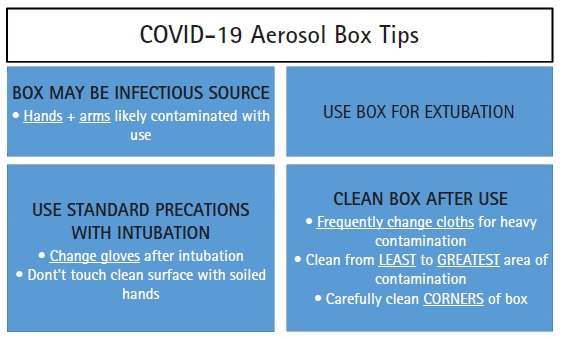
Background: The aerosol box was rapidly developed and disseminated to minimize viral exposure during aerosolizing procedures during the COVID-19 pandemic, yet users may not understand how to use and clean the device. This could potentially lead to increased viral exposure to subsequent patients and practitioners. We evaluated intraoperative contamination and aerosol box decontamination and the impact of a preoperative educational visual aid.
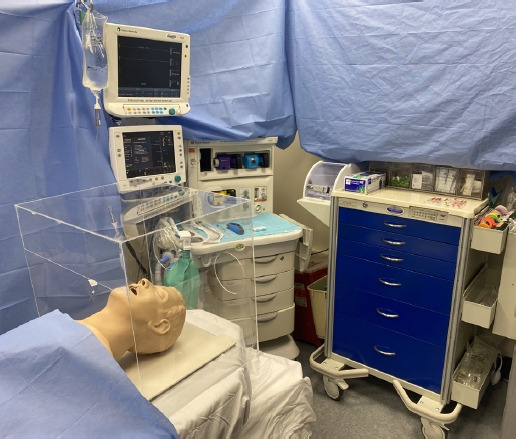
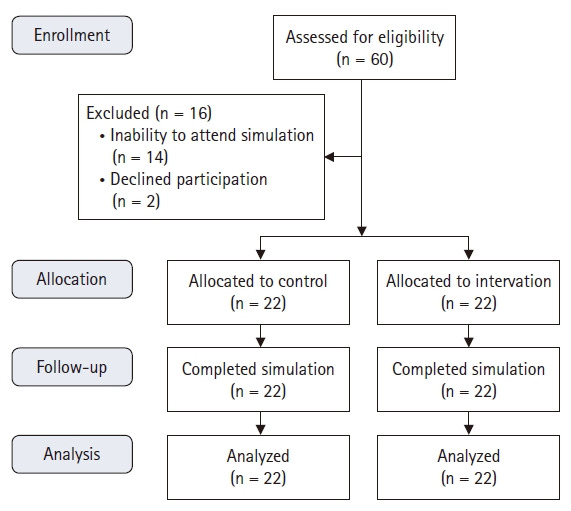
Methods: Using a double-blinded randomized design, forty-four anesthesiology trainees and faculty completed a simulated anesthetic case using an aerosol box contaminated with a fluorescent marker; half of the subjects received a visual aid prior to the simulation. Intraoperative contamination was evaluated at 10 standardized locations using an ultraviolet (UV) light. Next, subjects were instructed to clean the aerosol box for use on the next patient. Following cleaning, the box was evaluated for decontamination using an UV light.
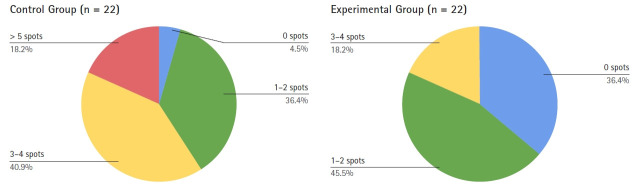
Results: Median total contamination score was significantly reduced in the experimental group (5.0 vs. 10.0, P < 0.001). The aerosol box was completely cleaned by 36.4% of subjects in the experimental group compared to 4.5% in the control group (P = 0.009).
Conclusions: The use of a visual aid significantly decreased intraoperative contamination and improved box cleaning. Despite these findings, a potentially clinically significant amount of viral exposure may exist. Thorough evaluation of the risks and benefits of the aerosol box should be completed prior to use. If an aerosol box is used, a visual aid should be considered to remind practitioners how to best use and clean the box.
Keywords: Airway management; Anesthesiology; Audiovisual aids; Equipment and supplies; High fidelity simulation training; Infection control..
Conflict of interest statement
No potential conflict of interest relevant to this article was reported.
Figures
References
-
- World Health Organization . Geneva: WHO; 2020. Dec 23, Rational use of personal protective equipment for coronavirus disease (COVID-19) and considerations during severe shortages [Internet] [cited 2020 Jul 13]. Available from https://www.who.int/publications/i/item/rational-use-of-personal-protect....
-
- Centers for Disease Control and Prevention . Atlanta: CDC; Interim Infection Prevention and Control Recommendations for Healthcare Personnel During the Coronavirus Disease 2019 (COVID-19) Pandemic [Internet] [updated Feb 23; cited 2020 Jul 13]. Available from https://www.cdc.gov/coronavirus/2019-ncov/hcp/infection-control-recommen....
Publication types
MeSH terms
Substances
Grants and funding
LinkOut - more resources
Full Text Sources
Other Literature Sources
Medical