


A Meta-analysis of Outcome Studies of Autistic Adults: Quantifying Effect Size, Quality, and Meta-regression
- PMID: 33200352
- PMCID: PMC8349337
- DOI: 10.1007/s10803-020-04763-2
A Meta-analysis of Outcome Studies of Autistic Adults: Quantifying Effect Size, Quality, and Meta-regression
Abstract
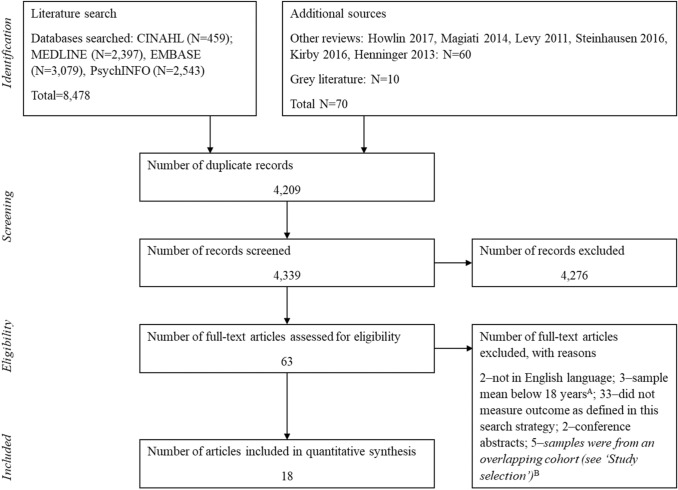
Longitudinal studies have generally reported poor outcomes in adulthood for the majority of individuals (c.50-60%) with autism. Several factors putatively predict outcome (e.g. IQ), but findings remain mixed. This paper presents an updated meta-analysis of autism outcome studies and extends previous findings with additional analyses (including meta-regression). A total of 4088 records was screened and 18 studies, involving 1199 individuals, were included in the quantitative analysis. Estimated percentages indicated that 20.0% of participants were rated as having a good outcome, 26.6% a fair outcome, and 49.3% a poor outcome. Meta-regression indicated that lower IQ in adulthood was predictive of poor outcome; other meta-regression models did not survive correction for multiple comparisons. Overall, outcomes for autistic people are on average poor, and higher IQ appears to be protective against having a poor outcome. The limitations of current constructs of outcome are discussed.
Keywords: Autism spectrum disorder; Functioning; Meta-analysis; Outcome.
© 2020. The Author(s).
Conflict of interest statement
The authors declare that they have no conflict of interest.
Figures
References
-
- Abdi H. Bonferroni and Šidák corrections for multiple comparisons. Encyclopedia of Measurement and Statistics. 2007;3:103–107.
-
- American Psychological Association . Diagnostic and Statistical Manual of mental disorders. 5. Washington, DC: American Psychological Association; 2013.
Publication types
MeSH terms
LinkOut - more resources
Full Text Sources
Medical
