


Demographic history mediates the effect of stratification on polygenic scores
- PMID: 33200985
- PMCID: PMC7758063
- DOI: 10.7554/eLife.61548
Demographic history mediates the effect of stratification on polygenic scores
Abstract
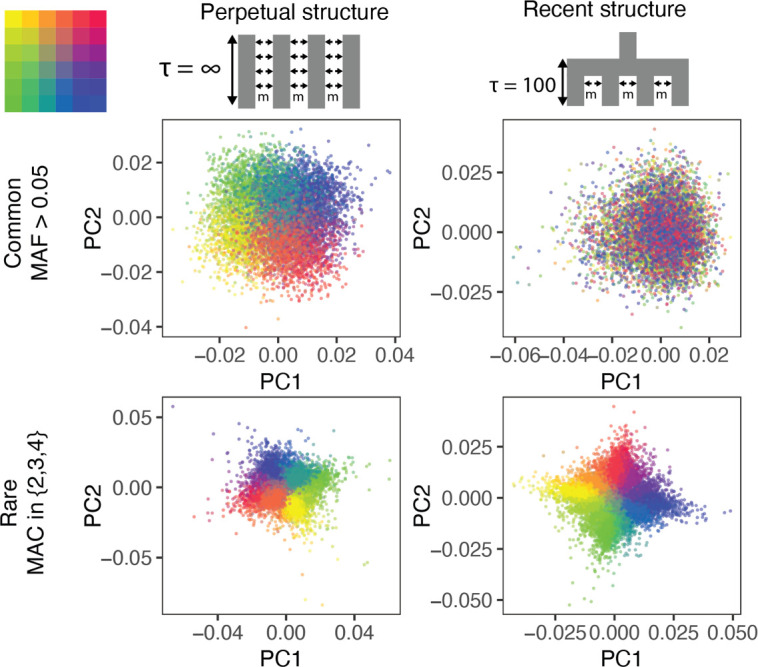
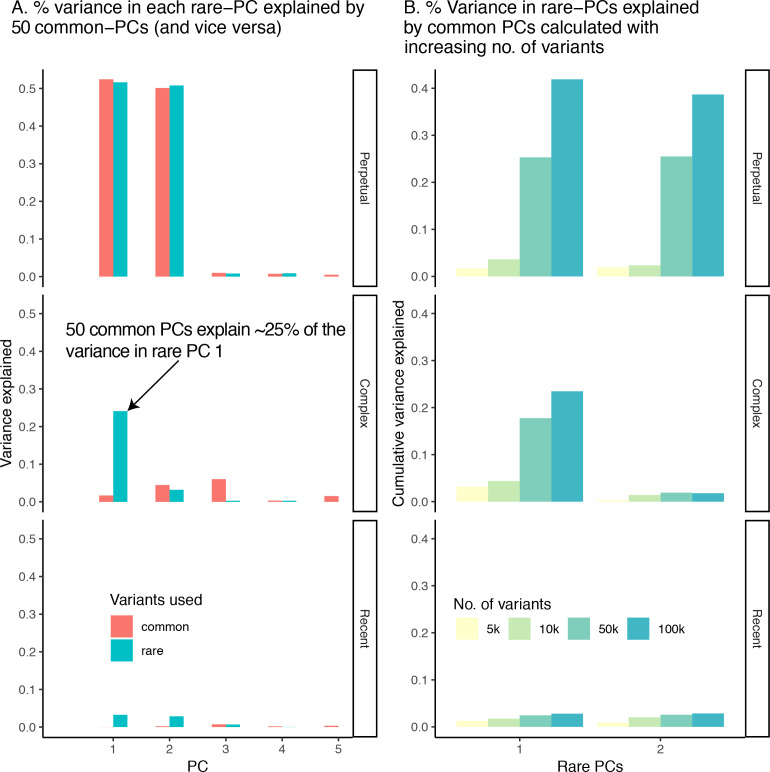
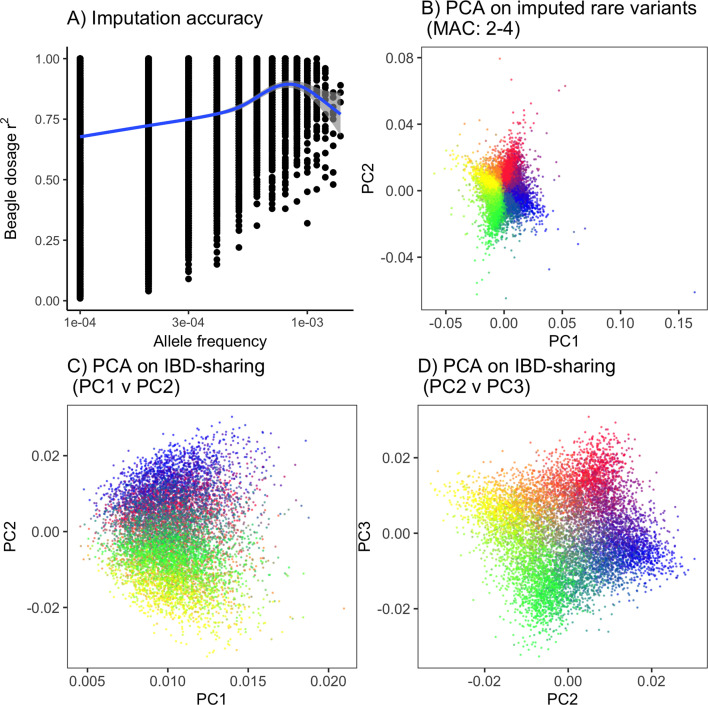
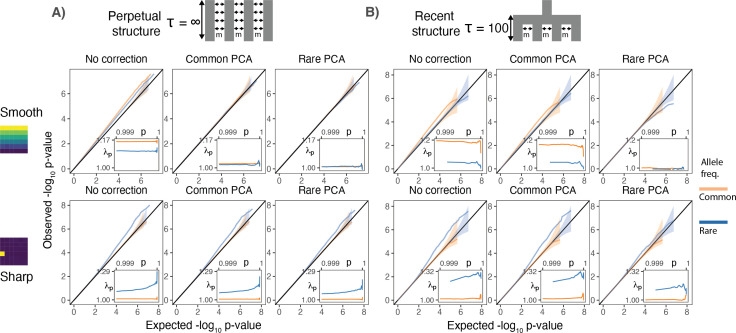
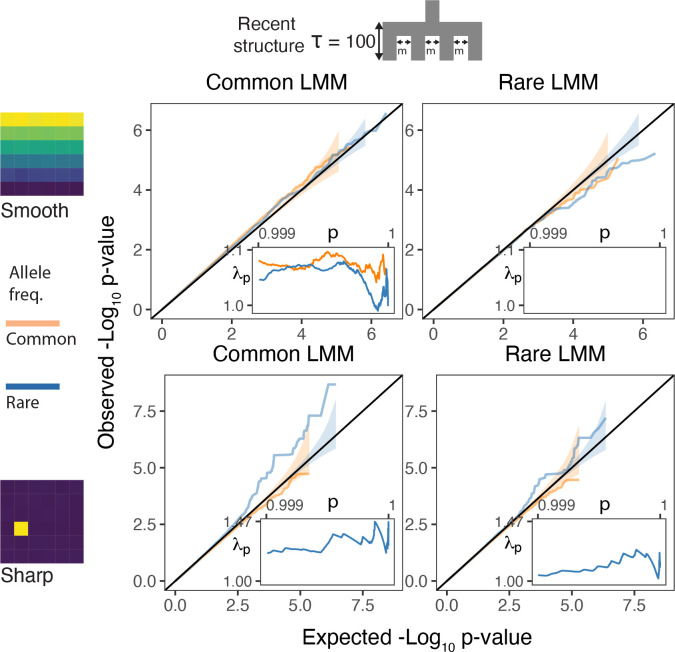
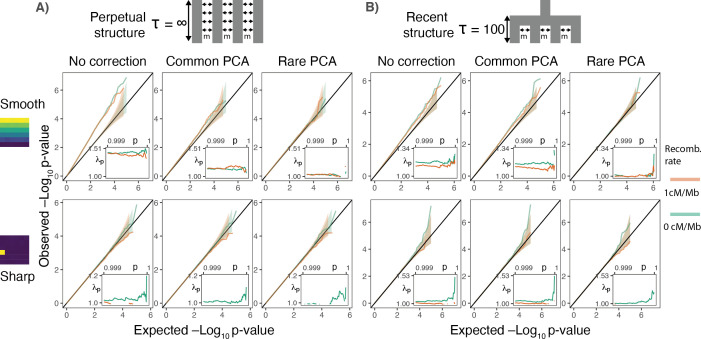
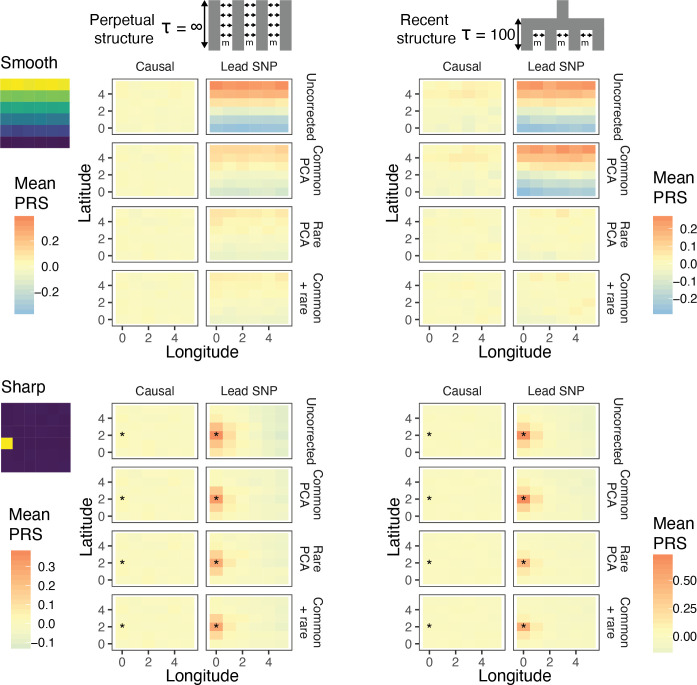
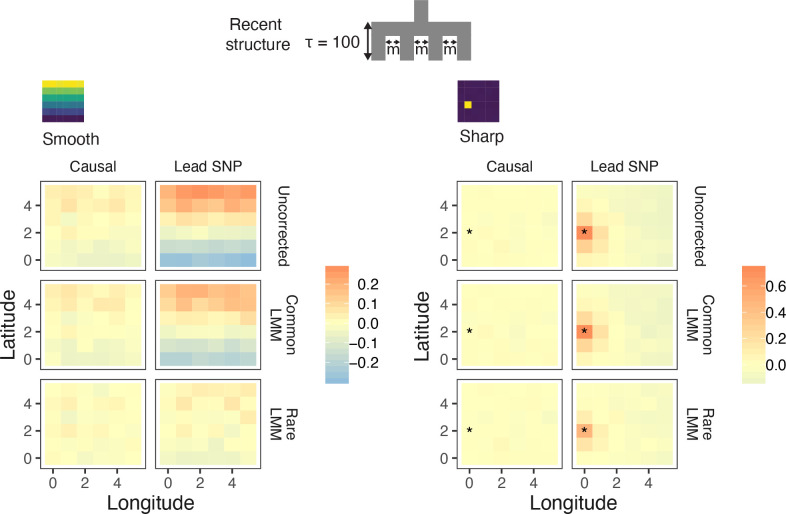
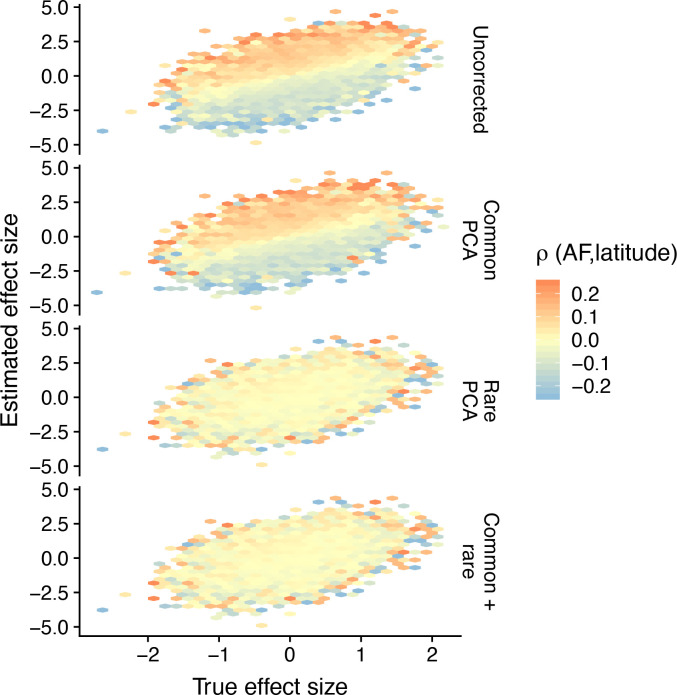
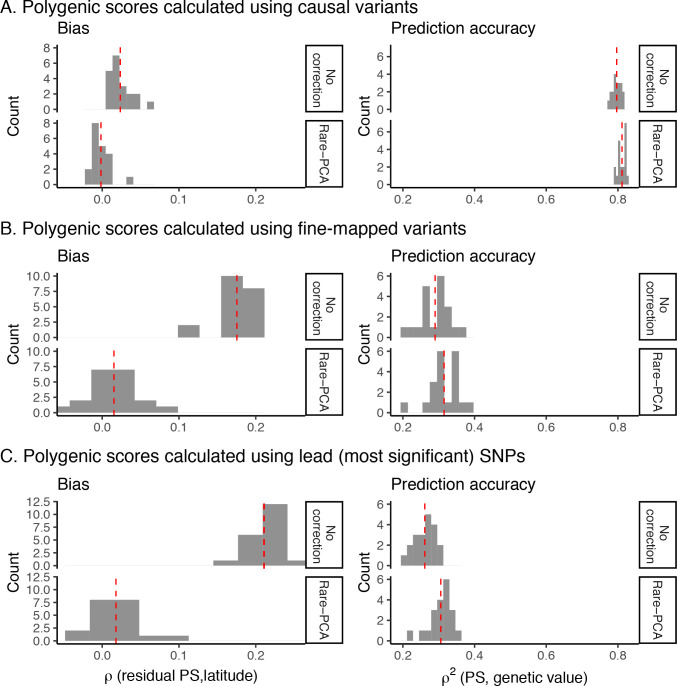
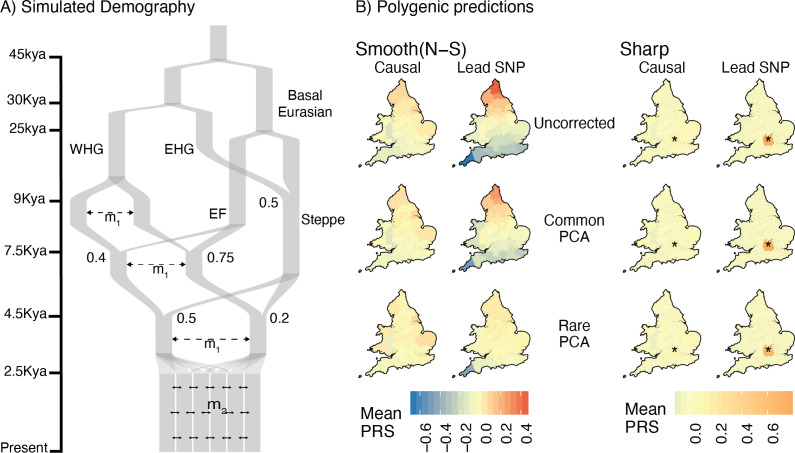
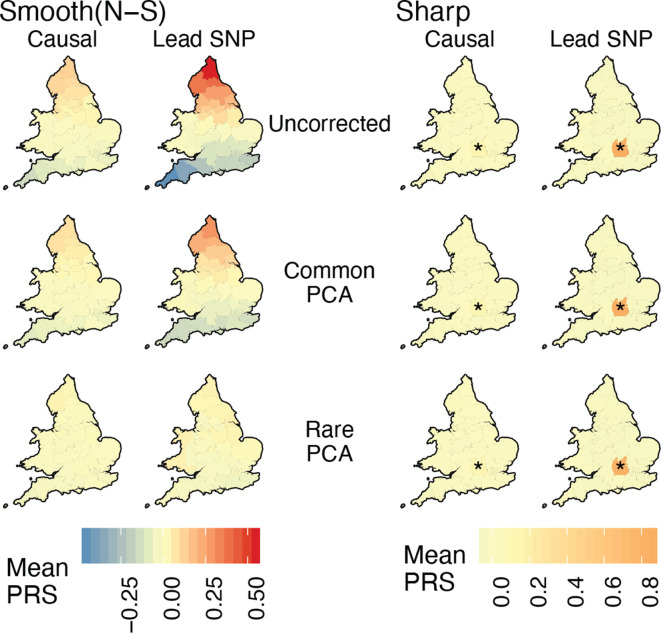
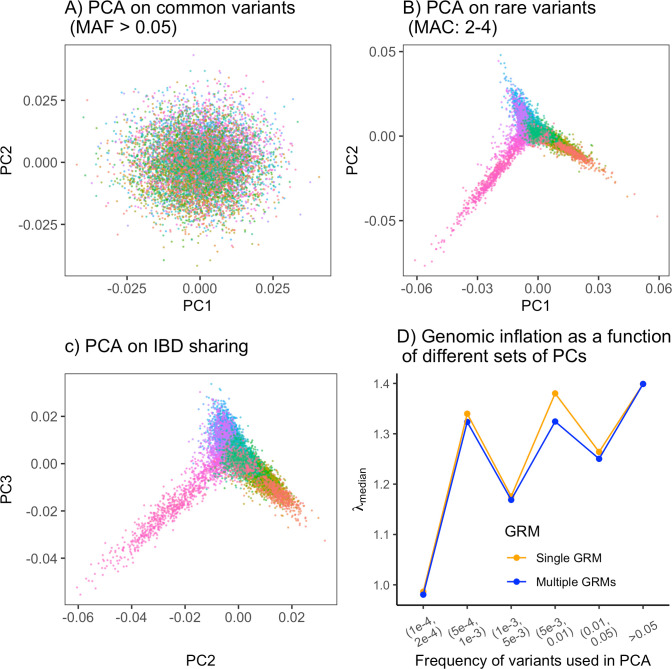
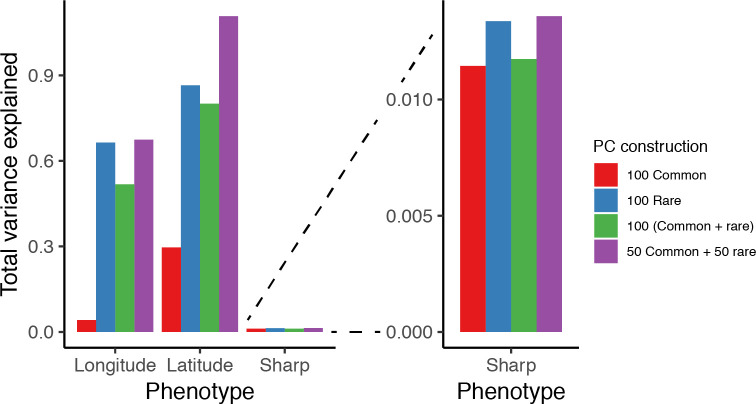
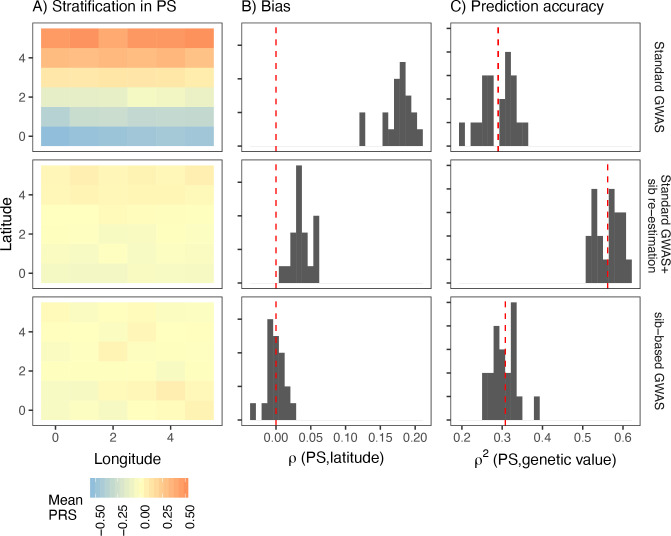
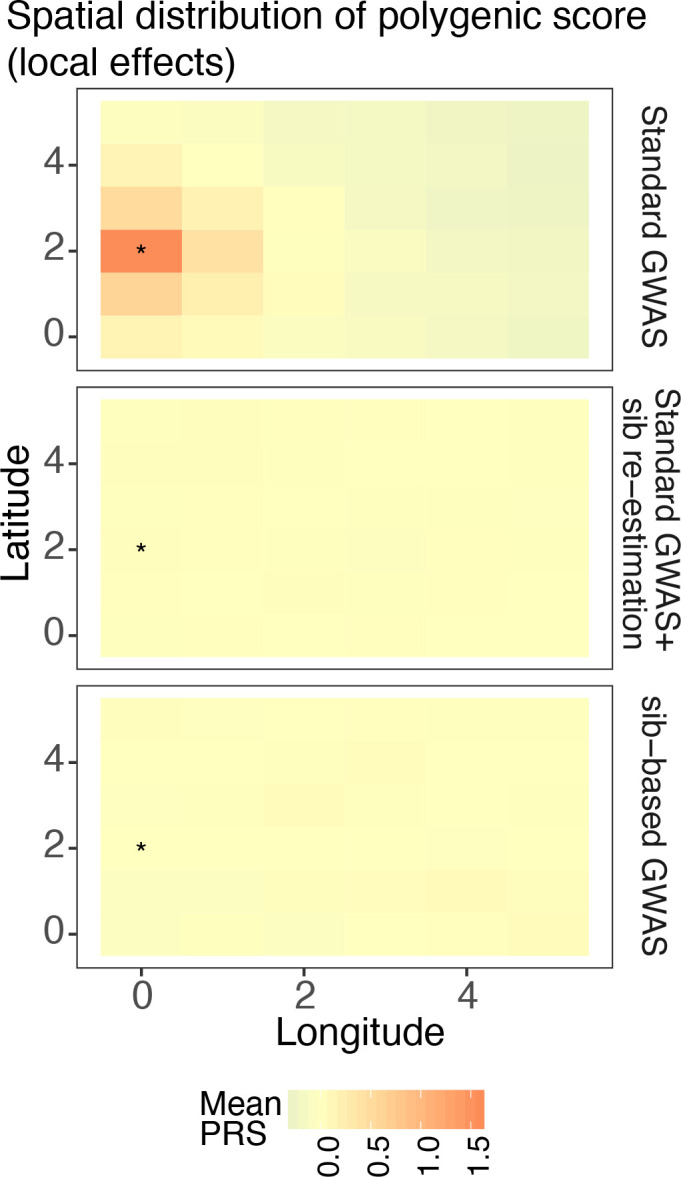
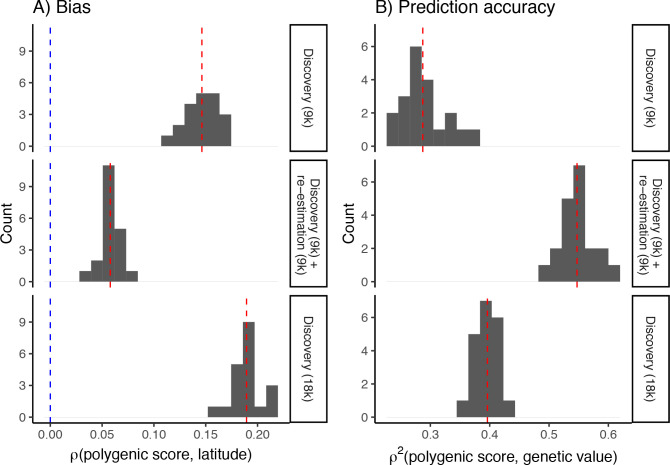
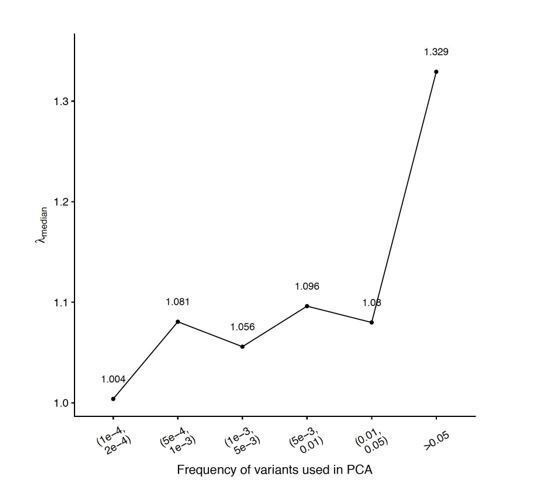
Population stratification continues to bias the results of genome-wide association studies (GWAS). When these results are used to construct polygenic scores, even subtle biases can cumulatively lead to large errors. To study the effect of residual stratification, we simulated GWAS under realistic models of demographic history. We show that when population structure is recent, it cannot be corrected using principal components of common variants because they are uninformative about recent history. Consequently, polygenic scores are biased in that they recapitulate environmental structure. Principal components calculated from rare variants or identity-by-descent segments can correct this stratification for some types of environmental effects. While family-based studies are immune to stratification, the hybrid approach of ascertaining variants in GWAS but reestimating effect sizes in siblings reduces but does not eliminate stratification. We show that the effect of population stratification depends not only on allele frequencies and environmental structure but also on demographic history.
Keywords: GWAS; demographic history; epidemiology; genetics; genomics; global health; none; polygenic scores; population stratification.
© 2020, Zaidi and Mathieson.
Conflict of interest statement
AZ, IM No competing interests declared
Figures
Comment in
-
How well can we separate genetics from the environment?Elife. 2020 Dec 23;9:e64948. doi: 10.7554/eLife.64948. Elife. 2020. PMID: 33355092 Free PMC article.
References
Publication types
MeSH terms
Grants and funding
LinkOut - more resources
Full Text Sources
