Precision Medicine in Rare Diseases
- PMID: 33202892
- PMCID: PMC7709101
- DOI: 10.3390/diseases8040042
Precision Medicine in Rare Diseases
Abstract
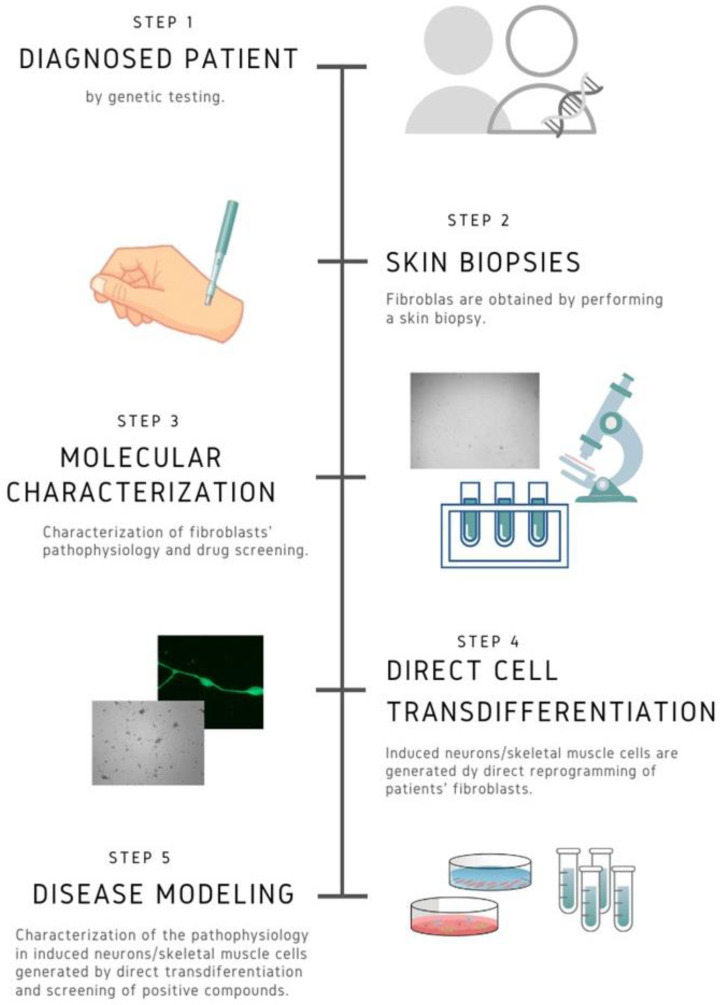
Rare diseases are those that have a low prevalence in the population (less than 5 individuals per 10,000 inhabitants). However, infrequent pathologies affect a large number of people, since according to the World Health Organization (WHO), there are about 7000 rare diseases that affect 7% of the world's population. Many patients with rare diseases have suffered the consequences of what is called the diagnostic odyssey, that is, extensive and prolonged serial tests and clinical visits, sometimes for many years, all with the hope of identifying the etiology of their disease. For patients with rare diseases, obtaining the genetic diagnosis can mean the end of the diagnostic odyssey, and the beginning of another, the therapeutic odyssey. This scenario is especially challenging for the scientific community, since more than 90% of rare diseases do not currently have an effective treatment. This therapeutic failure in rare diseases means that new approaches are necessary. Our research group proposes that the use of precision or personalized medicine techniques can be an alternative to find potential therapies in these diseases. To this end, we propose that patients' own cells can be used to carry out personalized pharmacological screening for the identification of potential treatments.
Keywords: congenital myopathies; mitochondrial diseases; neurodegeneration with brain iron accumulation; precision medicine; rare diseases.
Conflict of interest statement
The authors declare no conflict of interest. The funders had no role in the design of the study; in the collection, analyses, or interpretation of data; in the writing of the manuscript, or in the decision to publish the results.
Figures