


Opinion on the re-evaluation of lecithins (E 322) as a food additive in foods for infants below 16 weeks of age and follow-up of its re-evaluation as food additive for uses in foods for all population groups
- PMID: 33204307
- PMCID: PMC7654424
- DOI: 10.2903/j.efsa.2020.6266
Opinion on the re-evaluation of lecithins (E 322) as a food additive in foods for infants below 16 weeks of age and follow-up of its re-evaluation as food additive for uses in foods for all population groups
Abstract
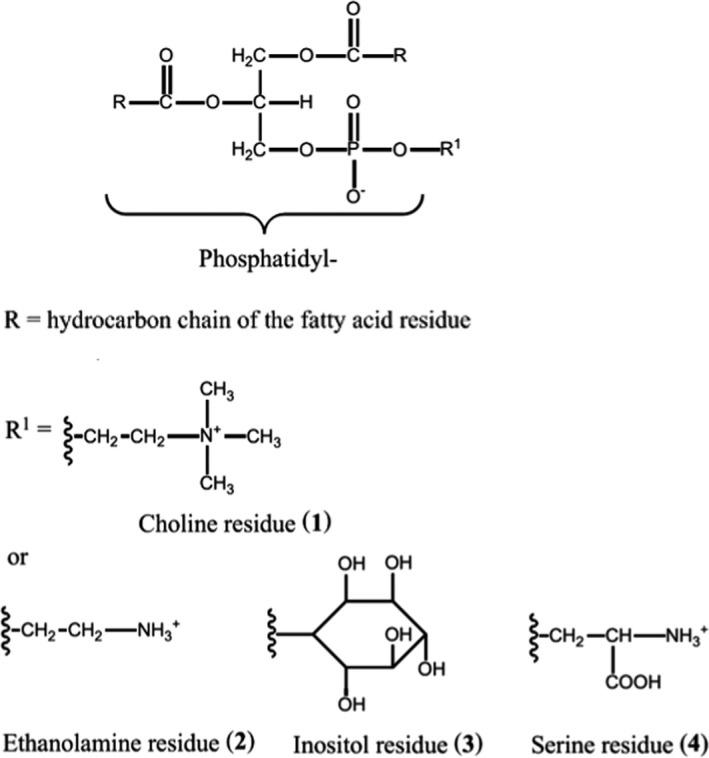
Lecithins (E 322) were re-evaluated in 2017 by the former EFSA Panel on Food Additives and Nutrient sources added to Food (ANS). As follow-up to that assessment, the Panel on Food Additives and Flavourings (FAF) was requested to assess the safety of lecithins (E 322) for uses as food additive in food for infants below 16 weeks of age belonging to food categories 13.1.1 and 13.1.5.1 and as carry over in line with Annex III to Regulation (EC) No 1333/2008. In addition, the FAF Panel was requested to address the issues identified during the re-evaluation of the food additive (E 322). The process involved the publication of a call for data to allow the interested business operators to provide the requested information to complete the risk assessment. Based on the information submitted in response to the call for data, the FAF Panel considered it feasible to amend the EU specifications, in particular for the toxic elements arsenic, lead, mercury and introduce new specifications for cadmium and microbiological criteria. The safety issue identified by the ANS Panel in 2017 concerned potential neurodevelopmental effects. For the reason that choline is a precursor of the neurotransmitter acetylcholine, the Panel considered it appropriate to address the safety of lecithins (E 322) as food additive in infant formula used in infants below the age of 16 weeks by comparing the concentration of choline in human milk with that in the formula. The Panel concluded that the intake of lecithins (E 322) as a food additive in infant formula belonging to FC 13.1.1 or in food for special medical purposes belonging to FC 13.1.5.1 does not raise safety concerns up to the maximum permitted level (MPL) of lecithins (E 322).
Keywords: E 322; Lecithins; food additive; infants.
© 2020 European Food Safety Authority. EFSA Journal published by John Wiley and Sons Ltd on behalf of European Food Safety Authority.
Figures
References
-
- Attia YA, Abd El‐Hamid AE, de Oliveira MC, Kamel KI, Qota EM, Al‐Harthi MA and Sadaka TA, 2018. Soya lecithin and season affect the productive performance, nutrient digestibility and blood constituents of growing rabbits.Animal Science Papers and Reports, 36, 193–203.
-
- Bitman J, Freed LM, Neville MC, Wood DL, Hamosh P and Hamosh M, 1986. Lipid composition of prepartum human mammary secretion and postpartum milk. Journal of Pediatric Gastroenterology and Nutrition, 5, 608–615. - PubMed
-
- Cao Y, Liu K, Wei H, Mend L, Li L, Liu D and Zhang S, 2018. [Effect of soybean lecithin on the reproduction performance of sows]. Swine Production, 1, 6–8 [Chinese, English abstract].
-
- Cheong L‐Z, Jiang C, He X, Song S and Lai O‐M, 2018. Lipid profiling, particle size determination, and in vitro simulated gastrointestinal lipolysis of mature human milk and infant formula. Journal of Agricultural and Food Chemistry, 66, 12042–12050. - PubMed
LinkOut - more resources
Full Text Sources
Miscellaneous