


Pessaries (mechanical devices) for managing pelvic organ prolapse in women
- PMID: 33207004
- PMCID: PMC8094172
- DOI: 10.1002/14651858.CD004010.pub4
Pessaries (mechanical devices) for managing pelvic organ prolapse in women
Abstract
Background: Pelvic organ prolapse is a common problem in women. About 40% of women will experience prolapse in their lifetime, with the proportion expected to rise in line with an ageing population. Women experience a variety of troublesome symptoms as a consequence of prolapse, including a feeling of 'something coming down' into the vagina, pain, urinary symptoms, bowel symptoms and sexual difficulties. Treatment for prolapse includes surgery, pelvic floor muscle training (PFMT) and vaginal pessaries. Vaginal pessaries are passive mechanical devices designed to support the vagina and hold the prolapsed organs back in the anatomically correct position. The most commonly used pessaries are made from polyvinyl-chloride, polythene, silicone or latex. Pessaries are frequently used by clinicians with high numbers of clinicians offering a pessary as first-line treatment for prolapse. This is an update of a Cochrane Review first published in 2003 and last published in 2013.
Objectives: To assess the effects of pessaries (mechanical devices) for managing pelvic organ prolapse in women; and summarise the principal findings of relevant economic evaluations of this intervention.
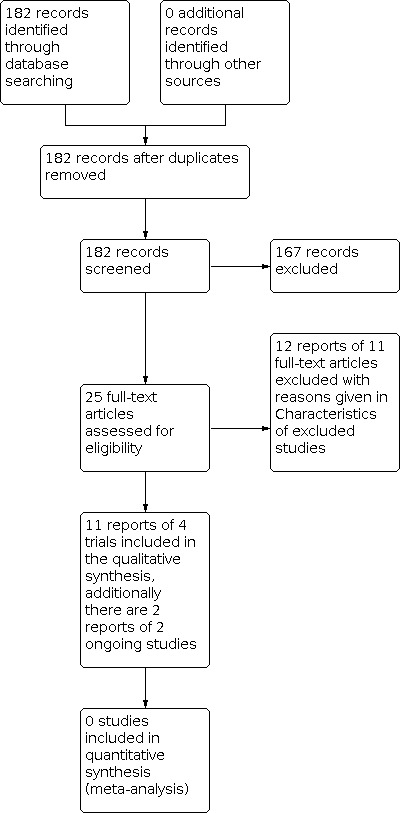
Search methods: We searched the Cochrane Incontinence Specialised Register which contains trials identified from the Cochrane Central Register of Controlled Trials (CENTRAL), MEDLINE, MEDLINE In-Process, MEDLINE Epub Ahead of Print, ClinicalTrials.gov, WHO ICTRP and handsearching of journals and conference proceedings (searched 28 January 2020). We searched the reference lists of relevant articles and contacted the authors of included studies.
Selection criteria: We included randomised and quasi-randomised controlled trials which included a pessary for pelvic organ prolapse in at least one arm of the study.
Data collection and analysis: Two review authors independently assessed abstracts, extracted data, assessed risk of bias and carried out GRADE assessments with arbitration from a third review author if necessary.
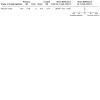
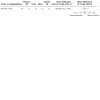
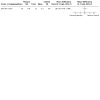
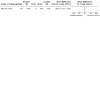
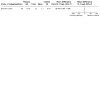
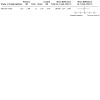
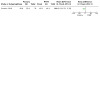
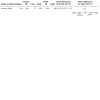
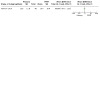
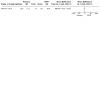
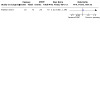
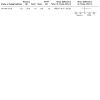
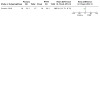
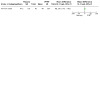
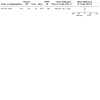
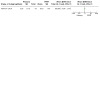
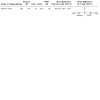
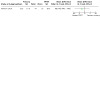
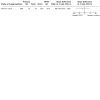
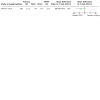
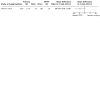
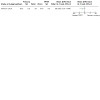
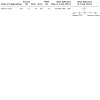
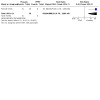
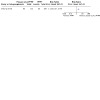
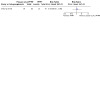
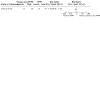
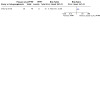
Main results: We included four studies involving a total of 478 women with various stages of prolapse, all of which took place in high-income countries. In one trial, only six of the 113 recruited women consented to random assignment to an intervention and no data are available for those six women. We could not perform any meta-analysis because each of the trials addressed a different comparison. None of the trials reported data about perceived resolution of prolapse symptoms or about psychological outcome measures. All studies reported data about perceived improvement of prolapse symptoms. Generally, the trials were at high risk of performance bias, due to lack of blinding, and low risk of selection bias. We downgraded the certainty of evidence for imprecision resulting from the low numbers of women participating in the trials. Pessary versus no treatment: at 12 months' follow-up, we are uncertain about the effect of pessaries compared with no treatment on perceived improvement of prolapse symptoms (mean difference (MD) in questionnaire scores -0.03, 95% confidence interval (CI) -0.61 to 0.55; 27 women; 1 study; very low-certainty evidence), and cure or improvement of sexual problems (MD -0.29, 95% CI -1.67 to 1.09; 27 women; 1 study; very low-certainty evidence). In this comparison we did not find any evidence relating to prolapse-specific quality of life or to the number of women experiencing adverse events (abnormal vaginal bleeding or de novo voiding difficulty). Pessary versus pelvic floor muscle training (PFMT): at 12 months' follow-up, we are uncertain if there is a difference between pessaries and PFMT in terms of women's perceived improvement in prolapse symptoms (MD -9.60, 95% CI -22.53 to 3.33; 137 women; low-certainty evidence), prolapse-specific quality of life (MD -3.30, 95% CI -8.70 to 15.30; 1 study; 116 women; low-certainty evidence), or cure or improvement of sexual problems (MD -2.30, 95% -5.20 to 0.60; 1 study; 48 women; low-certainty evidence). Pessaries may result in a large increase in risk of adverse events compared with PFMT (RR 75.25, 95% CI 4.70 to 1205.45; 1 study; 97 women; low-certainty evidence). Adverse events included increased vaginal discharge, and/or increased urinary incontinence and/or erosion or irritation of the vaginal walls. Pessary plus PFMT versus PFMT alone: at 12 months' follow-up, pessary plus PFMT probably leads to more women perceiving improvement in their prolapse symptoms compared with PFMT alone (RR 2.15, 95% CI 1.58 to 2.94; 1 study; 260 women; moderate-certainty evidence). At 12 months' follow-up, pessary plus PFMT probably improves women's prolapse-specific quality of life compared with PFMT alone (median (interquartile range (IQR)) POPIQ score: pessary plus PFMT 0.3 (0 to 22.2); 132 women; PFMT only 8.9 (0 to 64.9); 128 women; P = 0.02; moderate-certainty evidence). Pessary plus PFMT may slightly increase the risk of abnormal vaginal bleeding compared with PFMT alone (RR 2.18, 95% CI 0.69 to 6.91; 1 study; 260 women; low-certainty evidence). The evidence is uncertain if pessary plus PFMT has any effect on the risk of de novo voiding difficulty compared with PFMT alone (RR 1.32, 95% CI 0.54 to 3.19; 1 study; 189 women; low-certainty evidence).
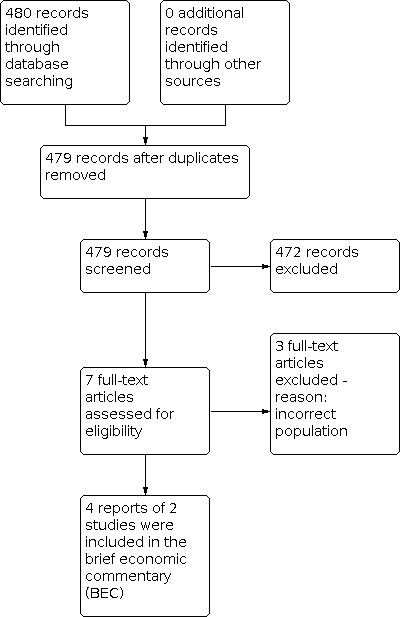
Authors' conclusions: We are uncertain if pessaries improve pelvic organ prolapse symptoms for women compared with no treatment or PFMT but pessaries in addition to PFMT probably improve women's pelvic organ prolapse symptoms and prolapse-specific quality of life. However, there may be an increased risk of adverse events with pessaries compared to PFMT. Future trials should recruit adequate numbers of women and measure clinically important outcomes such as prolapse specific quality of life and resolution of prolapse symptoms. The review found two relevant economic evaluations. Of these, one assessed the cost-effectiveness of pessary treatment, expectant management and surgical procedures, and the other compared pessary treatment to PFMT.
Trial registration: ClinicalTrials.gov NCT01843166 NCT01136889 NCT01644214 NCT01471457 NCT02371083.
Copyright © 2020 The Cochrane Collaboration. Published by John Wiley & Sons, Ltd.
Conflict of interest statement
In accordance with Cochrane's
CB: none known EJA: none known DG: Travel and accomodation expenses provided by Boston Scientific to attend the International Urogynaecology Association's annual conference in Lisbon in 2011. Expenses were paid into the Urogynaecology Department Endowment Fund at the Central Manchester University Hospitals NHS Foundation Trust. FS: none known MD: none known PS: none known RK: none known
Figures
Update of
-
Pessaries (mechanical devices) for pelvic organ prolapse in women.Cochrane Database Syst Rev. 2013 Feb 28;2013(2):CD004010. doi: 10.1002/14651858.CD004010.pub3. Cochrane Database Syst Rev. 2013. Update in: Cochrane Database Syst Rev. 2020 Nov 18;11:CD004010. doi: 10.1002/14651858.CD004010.pub4. PMID: 23450548 Free PMC article. Updated.
Comment in
-
Pessaries for Managing Pelvic Organ Prolapse in Women.Am Fam Physician. 2021 Jun 1;103(11):660-661. Am Fam Physician. 2021. PMID: 34060789 No abstract available.
References
References to studies included in this review
Baessler 2019 {published and unpublished data}
-
- Baessler K, Heihoff-Klose A, Boelke S, Stupin J, Junginger B. Does an early postpartum pessary treatment lead to remission of pelvic organ prolapse after vaginal birth? A pilot study. Female Pelvic Medicine and Reconstructive Surgery 2019;25(Suppl 1 5S):S302. [Abstract number: Poster 294] [sr-incont78490]
Cheung 2016 {published data only}
-
- Cheung RY, Chan SS, Lee LL, Lee JH. 12 months outcome of women with symptomatic pelvic organ prolapse: vaginal ring pessary versus conservative treatment. In: 45th Annual Meeting of the International Continence Society (ICS), 2015 Oct 6-9, Montreal, Canada. 2015. [Abstract number 397] [CUHK_CCT00302] [sr-incont68811]
-
- Cheung RY, Chan SS, Lee LL, Lee JH. Changes in urinary symptom in women treated with vaginal pessary with symptomatic pelvic organ prolapse - a randomized controlled trial. In: 45th Annual Meeting of the International Continence Society (ICS), 2015 Oct 6-9, Montreal, Canada. 2015. [Abstract number 377] [CUHK_CCT00302] [sr-incont68810]
-
- Lee HS, ChiCTR-TRC-11001796. Randomised controlled trial of vaginal ring pessary versus conservative management in women with pelvic organ prolapse. chictr.org/en/proj/show.aspx?proj=2263 (first received 14 December 2011). [CUHK_CCT00302] [ChiCTR-TRC-11001796] [sr-incont65486]
Coolen 2018 {published and unpublished data}
-
- Coolen AL, Troost S, Mol BW, Roovers JP, Bongers MY. Primary treatment of vaginal prolapse, pessary use versus prolapse surgery. International Urogynecology Journal and Pelvic Floor Dysfunction 2016;27(1 Suppl 1):S61-2. [Abstract number PP 44] [NTR2856] [sr-incont73917]
-
- Coolen AL. Primary treatment of vaginal prolapse: pessary use versus prolapse surgery - ROK. trialregister.nl/trial/2719 (first received 17 April 2011). [NL2719 (NTR2856)] [Source ID: 0826] [TrialID.ROK] [sr-incont65492]
Panman 2016 {published data only}
-
- Panman CM, Wiegersma M, Kollen BJ, Berger MY, Lisman-van Leeuwen Y, Dekker JH. Effects of pelvic floor muscle training and pessary treatment in women ≥55 years with an advanced pelvic organ prolapse. International Urogynecology Journal and Pelvic Floor Dysfunction 2014;25(1 Suppl 1):S79-80. [Abstract number OP 004] [NTR2047 - POPPS2] [sr-incont67297]
-
- Panman CM, Wiegersma M, Kollen BJ, Berger MY, Lisman-van Leeuwen Y, Vermeulen KM, et al. Effectiveness and cost-effectiveness of pessary treatment compared with pelvic floor muscle training in older women with pelvic organ prolapse: 2-year follow up of a randomised controlled trial in primary care. Menopause 2016;23(12):1307-18. [NTR2047 - POPPS2] [sr-incont73042] - PubMed
-
- Wiegersma M, Panman CM, Kollen BJ, Vermeulen KM, Schram AJ, Messelink EJ, et al. Pelvic floor muscle training versus watchful waiting or pessary treatment for pelvic organ prolapse (POPPS): design and participant baseline characteristics of two parallel pragmatic randomized controlled trials in primary care. Maturitas 2014;77(2):168-73. [NTR2047 - POPPS2] [sr-incont50409] - PubMed
References to studies excluded from this review
Chou 2013 {published data only}
-
- Chou Q, Leong Y, Cordick J, NCT01843166. Vaginal estrogen with pessary treatment [Use of vaginal estrogen with pessary treatment of pelvic organ prolapse and urinary incontinence]. clinicaltrials.gov/show/NCT01843166 (date received 30 April 2013). [NCT01843166] [sr-incont60025]
Cundiff 2007 {published data only}
-
- Cundiff GN, Amundsen CL, Bent AE, Coates KW, Schaffer JI, Strohbehn K, et al. The PESSRI study: symptom relief outcomes of a randomized crossover trial of the ring and Gellhorn pessaries. American Journal of Obstetrics and Gynecology 2007;196(4):405.e1-8. [sr-incont23081] [PMID: ] - PubMed
Danandeh 2019 {published data only}
-
- Danandeh Osgui N, Bastani P. Improvement of concomitant symptoms of pelvic organ prolapsed with applied pessary. Clinical and Experimental Obstetrics & Gynecology 2019;46(1):42-4.
Hagen 2011b {published data only}
-
- Hagen S, Sinclair L, Glazener C, Stark D, Pringle S, Logan J. A feasibility study for a randomised controlled trial of pelvic floor muscle training combined with vaginal pessary for women with pelvic organ prolapse. In: 41st Annual Meeting of the International Continence Society (ICS), 2011 Aug 29 to Sept 2, Glasgow, Scotland. 2011. [Abstract number 616] [sr-incont42224]
McDermott 2012 {published data only}
-
- McDermott, C, Lennox G, NCT01644214. Timing of pessary follow-up for pelvic organ prolapse: patient preference and complication rates [Extended Pessary Interval for Care (EPIC Study): patient preference for 3 verus 6 month follow-up]. clinicaltrials.gov/show/NCT01644214 (first received 19 July 2012). [NCT01644214] [sr-incont65517]
Meriwether 2015 {published data only}
-
- Meriwether KV, Rogers RG, Craig E, Peterson SD, Gutman RE, Iglesia CB. The effect of hydroxyquinoline-based gel on pessary-associated bacterial vaginosis:a multicenter randomized controlled trial. American Journal of Obstetrics and Gynecology 2015;213(5):729.e1-9. [NCT01471457] [sr-incont69208] - PMC - PubMed
Propst 2015 {published data only}
-
- Propst K, NCT02371083. Timing of pessary care. clinicaltrials.gov/show/NCT02371083 (first received 25 February 2015). [HHC-2014-0112] [NCT02371083] [sr-incont66664]
Sanker 2013 {published data only}
-
- Sanker V, Suvarna S. A clinical trial to study the effects of traditional treatments in patients with pelvic organ prolapse [A controlled prospective open labelled study to evaluate the traditional management of pelvic organ prolapse]. ctri.nic.in/Clinicaltrials/pmaindet2.php?trialid=6069 (first received 17 April 2013). [CTRI/2013/04/003563] [sr-incont65481]
Taege 2017 {published data only}
-
- Taege SK, Adams W, Mueller ER, Brubaker L, Fitzgerald CM, Brincat C. A randomized, double blind, placebo controlled trial of topical anesthetic use in pessary management: the TAP study. Neurourology and Urodynamics 2017;36(S1):S53-4. [(Abstract number: Poster #M44)]
Tontivuthikul 2016 {published data only}
-
- Tontivuthikul P, Sanmee U, Wongtra-Ngan S, Pongnarisorn C. Effect of local estrogen cream on vaginal health after pessary use for prolapsed pelvic organ: a randomized controlled trial. Journal of the Medical Association of Thailand 2016;99(7):757-63. - PubMed
Viravaidya 2012 {published data only}
-
- Viravaidya S, Manonai J, Sarit-Apirak S, Wattanayingcharoenchai R. Effects of topical antiseptic agent on vaginal symptoms, pH and infection in postmenopausal women using pessary for pelvic organ prolapse. International Urogynecology Journal 2012;23(Suppl 2):s131-2. [Abstract number 84] [sr-incont49142]
References to ongoing studies
Cornish 2018 {published data only}
-
- Cornish A, Yong CH, Carey M, ACTRN12618000416291. Polyvinyl chloride ring pessary versus silicon irregular hexagon pessary for pelvic organ prolapse: a randomised trial comparing treatment success. anzctr.org.au/ACTRN12618000416291.aspx (first received 4 March 2018). [ACTRN12618000416291] [sr-incont77835]
van de Waarsenburg 2014 {published data only}
-
- Van de Waarsenburg MK, Vaart CH. Pessary or prolapse surgery for symptomatic pelvic organ prolapse. trialregister.nl/trial/4756 (first received 18 November 2014). [NL4756 (NTR4883)] [sr-incont65472]
Additional references
Abdel‐Fattah 2011
Baessler 2009
-
- Baessler K, O'Neill SM, Maher CF, Battistutta D. Australian pelvic floor questionnaire: a validated interviewer-administered pelvic floor questionnaire for routine clinic and research. International Urogynecology Journal and Pelvic Floor Dysfunction 2009;20(2):149-58. - PubMed
Baessler 2018
Barber 2001
-
- Barber MD, Kuchibhatla MN, Pieper CF, Bump RC. Psychometric evaluation of 2 comprehensive condition-specific quality of life instruments for women with pelvic floor disorders. American Journal of Obstetrics and Gynecology 2001;185(6):1388-95. - PubMed
Barber 2005
-
- Barber MD, Walters MD, Bump RC. Short forms of two condition-specific quality-of-life questionnaires for women with pelvic floor disorders (PFDI-20 and PFIQ-7). American Journal of Obstetrics and Gynecology 2005;193(1):103-13. - PubMed
Basu 2011
-
- Basu M, Wise B, Duckett J. A qualitative study of women’s preferences for treatment of pelvic floor disorders. BJOG 2011;118(3):338-44. - PubMed
Brazell 2014
-
- Brazell HD, Patel M, O'Sullivan DM, Mellen C, LaSala CA. The impact of pessary use on bowel symptoms: one-year outcomes. Female Pelvic Medicine & Reconstructive Surgery 2014;20(2):95-8. - PubMed
Bugge 2013a
-
- Bugge C, Hagen S, Thakar R. Vaginal pessaries for pelvic organ prolapse and urinary incontinence: a multiprofessional survey of practice. International Urogynecology Journal 2013;24(6):1017-24. - PubMed
Bugge 2020 [pers comm]
-
- Bugge C. Your RCT comparing pessary and surgery [personal communication]. Email to: A-L Coolen 4 March 2020.
Bump 1996
-
- Bump RC, Mattiasson A, Bø K, Brubaker LP, DeLancey JO, Klarskov P, et al. The standardisation of terminology of female pelvic organ prolapse and pelvic floor dysfunction. American Journal of Obstetrics and Gynecology 1996;175(1):10-7. - PubMed
Bump 1998
-
- Bump R, Norton P. Epidemiology and natural history of pelvic floor dysfunction. Obstetrics and Gynecology Clinics of North America 1998;25(4):723-46. - PubMed
Clemons 2004a
-
- Clemons JL, Aguilar VC, Tillinghast TA, Jackson ND, Myers DL. Risk factors associated with an unsuccessful pessary fitting trial in women with pelvic organ prolapse. American Journal of Obstetrics and Gynecology 2004;190(2):345-50. - PubMed
Clemons 2004b
-
- Clemons JL, Aguilar VC, Tillinghast TA, Jackson ND, Myers DL. Patient satisfaction and changes in prolapse and urinary symptoms in women who were fitted successfully with a pessary for pelvic organ prolapse. American Journal of Obstetrics and Gynecology 2004;190(4):1025-9. - PubMed
Clemons 2004c
-
- Clemons JL, Aguilar VC, Sokol ER, Jackson ND, Myers DL. Patient characteristics that are associated with continued pessary use versus surgery after 1 year. American Journal of Obstetrics and Gynecology 2004;191(1):159-64. - PubMed
CRD 2015
-
- Centre for Reviews and Dissemination (CRD). CRD databases: search strategies. 2015. crd.york.ac.uk/crdweb/ (accessed 19 May 2020).
Cundiff 2000
-
- Cundiff GW, Weidner AC, Visco AG, Bump RC, Addison WA. A survey of pessary use by members of the American Urogynecologic Society. Obstetrics and Gynecology 2000;95(6 Pt 1):931-5. - PubMed
Dietz 2008
-
- Dietz HP. The aetiology of prolapse. International Urogynecology Journal and Pelvic Floor Dysfunction 2008;19(10):1323-9. - PubMed
Dolan 1995
-
- Dolan P, Gudex C, Kind P, Williams A. A social tariff for EuroQol: results from a UK general population survey.. York, UK: Centre for Health Economics, University of York; 1995.Working paper number: 138chedp. Avialable from www.york.ac.uk/media/che/documents/papers/discussionpapers/CHE%20Discuss... (accessed 22 May 2020).
Dumoulin 2017
-
- Dumoulin C, Adewuyi T, Booth J, Bradley C, Burgio K, Hagen S, et al. Adult conservative management. In: Abrams P, Cardozo L, Wagg A, Wein A, editors(s). Incontinence: 6th International Consultation on Incontinence, Tokyo, September 2016. 6th edition. Vol. 2. Bristol, UK: International Continence Society (ICS) and International Consultation on Urological Diseases (ICUD), 2017:1443-1628.
Dwyer 2019
-
- Dwyer L, Kearney R, Lavender T. A review of pessary for prolapse practitioner training. British Journal of Nursing 2019;28(9):S18-24. - PubMed
EndNote 2018 [Computer program]
-
- EndNote. Version X8.2. Philadelphia (PA): Clarivate Analytics, 2018.
Enemchukwu 2019
-
- Enemchukwu EA. Transvaginal suture-based repair. Urologic Clinics of North America 2019;46(1):97-102. - PubMed
Gorti 2009
-
- Gorti M, Hudelist G, Simons A. Evaluation of vaginal pessary management: a UK-based survey. Journal of Obstetrics and Gynaecology 2009;29(2):129-31. - PubMed
GRADEpro GDT [Computer program]
-
- McMaster University (developed by Evidence Prime) GRADEpro GDT. Version accessed 5 May 2020. Hamilton (ON): McMaster University (developed by Evidence Prime). Available at gradepro.org.
Gyhagen 2015
-
- Gyhagen M, Åkervall S, Milsom I. Clustering of pelvic floor disorders 20 years after one vaginal or one cesarean birth. International Urogynecology Journal 2015;26(8):1115–21. - PubMed
Hagen 2009
-
- Hagen S, Glazener C, Sinclair L, Stark D, Bugge C. Psychometric properties of the Pelvic Organ Prolapse Symptom Score. BJOG 2009;116(1):25-31. - PubMed
Hagen 2011a
Hanson 2006
-
- Hanson LM, Schulz JA, Flood CG, Cooley B, Tam F. Vaginal pessaries in managing women with pelvic organ prolapse and urinary incontinence:patient characteristics and factors contributing to success. International Urogynecology Journal and Pelvic Floor Dysfunction 2006;17(2):155-9. - PubMed
Hendrix 2002
-
- Hendrix SL, Clark A, Nygaard I, Aragaki A, Barnabei V, McTiernan A. Pelvic organ prolapse in the Women's Health Initiative: gravity and gravidity. American Journal of Obstetrics and Gynecology 2002;186(6):1160-6. - PubMed
Higgins 2011
-
- Higgins JP, Green S, editor(s). Cochrane Handbook for Systematic Reviews of Interventions Version 5.1.0 (updated March 2011). The Cochrane Collaboration, 2011. Available from handbook.cochrane.org.
Higgins 2019
-
- Higgins JP, Thomas J, Chandler J, Cumpston M, Li T, Page MJ, et al (editors). Cochrane Handbook for Systematic Reviews of Interventions Version 6.0 (updated July 2019). Cochrane, 2019. Available from www.training.cochrane.org/handbook. - PMC - PubMed
Hullfish 2011
-
- Hullfish KL, Trowbridge ER, Stukenborg GJ. Treatment strategies for pelvic organ prolapse: a cost-effectiveness analysis. International Urogynecology Journal 2011;22(5):507-15. - PubMed
Jelovsek 2006
-
- Jelovsek JE, Barber MD. Women seeking treatment for advanced pelvic organ prolapse have decreased body image and quality of life. American Journal of Obstetrics and Gynaecology 2006;194(5):1455-61. - PubMed
Jelovsek 2018
-
- Jelovsek JE, Chagin K, Gyhagen M, Hagen S, Wilson D, Kattan MW, et al. Predicting risk of pelvic floor disorders 12 and 20 years after delivery. American Journal of Obstetrics and Gynecology 2018;218(2):222.e1–19. - PubMed
Kapoor 2009
-
- Kapoor DS, Thakar R, Sultan AH, Oliver R. Conservative versus surgical management of prolapse: what dictates patient choice? International Urogynecology Journal and Pelvic Floor Dysfunction 2009;20(10):1157-61. - PubMed
Lamers 2011
Lone 2011
-
- Lone F, Thakar R, Sultan AH, Karamalis G. A 5-year prospective study of vaginal pessary use for pelvic organ prolapse. International Journal of Gynaecology and Obstetrics 2011;114(1):56-9. - PubMed
Lough 2018
Lowder 2011
-
- Lowder JL, Ghetti C, Nikolajski C, Oliphant SS, Zyczynski HM. Body image perceptions in women with pelvic organ prolapse: a qualitative study. American Journal of Obstetrics and Gynecology 2011;204(5):441.e1-5. - PubMed
MacLennan 2000
-
- MacLennan AH, Taylor AW, Wilson DH, Wilson D. The prevalence of pelvic floor disorders and their relationship to gender, age, parity and mode of delivery. BJOG 2000;107(12):1460-70. [MEDLINE: ] - PubMed
Maher 2016a
Maher 2016b
Maher 2016c
Manchana 2012
-
- Manchana T, Bunyavejchevin S. Impact on quality of life after ring pessary use for pelvic organ prolapse. International Urogynecological Journal 2012;23(7):873-7. - PubMed
Mowat 2018
NICE 2019
-
- National Institute for Health and Care Excellence (NICE), National Guideline Alliance. Urinary incontinence and pelvic organ prolapse in women: management. NICE guideline [NG123]. London: National Institute for Health and Care Excellence (NICE); 2019. Available from nice.org.uk/guidance/ng123 (accessed 30 April 2020).
Oliver 2011
-
- Oliver R, Thakar R, Sultan AH. The history and usage of the vaginal pessary: a review. European Journal of Obstetrics, Gynecology, and Reproductive Biology 2011;156(2):125-30. - PubMed
Pakbaz 2010
Poma 2000
-
- Poma PA. Nonsurgical management of genital prolapse. A review and recommendations for clinical practice. Journal of Reproductive Medicine 2000;45(10):789-97. [PMID: ] - PubMed
Pott‐Grinstein 2001
-
- Pott-Grinstein E, Newcomer JR. Gynecologists' patterns of prescribing pessaries. Journal of Reproductive Medicine 2001;46(3):205-8. [PMID: ] - PubMed
Primary Care Women's Health Forum 2019
-
- Primary Care Women's Health Forum. What is the cost of pelvic organ prolapse to the NHS? News: 28 August 2019. Available at pcwhf.co.uk/news/what-is-the-cost-of-pelvic-organ-prolapse-to-the-nhs/ (accessed 24 July 2020).
Schünemann 2019
-
- Schünemann HJ, Higgins JP, Vist GE, Glasziou P, Akl EA, Skoetz N, et al. Chapter 14: Completing ‘Summary of findings’ tables and grading the certainty of the evidence. In: Higgins JP, Thomas J, Chandler J, Cumpston M, Li T, Page MJ, et al editor(s). Cochrane Handbook for Systematic Reviews of Interventions Version 6.0 (updated July 2019). Cochrane, 2019. Available from www.training.cochrane.org/handbook.
Shemilt 2019
-
- Shemilt I, Aluko P, Graybill E, Craig D, Henderson C, Drummond M, et al, on behalf of the Campbell and Cochrane Economics Methods Group. Chapter 20: Economic evidence. In: Higgins JP, Thomas J, Chandler J, Cumpston M, Li T, Page MJ, et al, editor(s). Cochrane Handbook for Systematic Reviews of Interventions Version 6.0 (updated July 2019). Cochrane, 2019. Available from www.training.cochrane.org/handbook.
Subak 2001
-
- Subak LL, Waetjen LE, den Eeden S, Thom DH, Vittinghoff E, Brown JS. Cost of pelvic organ prolapse surgery in the United States. Obstretrics and Gynecology 2001;98(4):646-51. - PubMed
Ware 1993
Ware 1996
-
- Ware J Jr, Kosinski M, Keller SD. A 12-Item Short-Form Health Survey: construction of scales and preliminary tests of reliability and validity. Medical Care 1996;34(3):220-33. - PubMed
Wiegersma 2014
-
- Wiegersma M, Panman CM, Kollen BJ, Vermeulen KM, Schram AJ, Messelink EJ, et al. Pelvic floor muscle training versus watchful waiting or pessary treatment for pelvic organ prolapse (POPPS): design and participant baseline characteristics of two parallel pragmatic randomized controlled trials in primary care. Maturitas 2014;77(2):168-73. - PubMed
Wu 2009
-
- Wu JM, Hundley AF, Fulton RG, Myers ER. Forecasting the prevalence of pelvic floor disorders in US Women: 2010 to 2050. Obstetrics and Gynecology 2009;114(6):1278-83. - PubMed
Wu 2011
Zigmond 1983
-
- Zigmond AS, Snaith RP. The Hospital Anxiety and Depression scale. Acta Psychiatrica Scandinavica 1983;67(6):361-70. - PubMed
References to other published versions of this review
Adams 2002
Adams 2004
Publication types
MeSH terms
Associated data
LinkOut - more resources
Full Text Sources
Medical
