. 2020 Oct;12(10):5678-5690.
doi: 10.21037/jtd-20-1855.

A systematic review and meta-analysis of thoracoscopic versus thoracotomy sleeve lobectomy

Affiliations

A systematic review and meta-analysis of thoracoscopic versus thoracotomy sleeve lobectomy

Yifan Zhong et al. J Thorac Dis. 2020 Oct.

Abstract

Background: Operative safety and oncologic adequacy of thoracoscopic sleeve lobectomy remain controversial. As such, the purpose of this meta-analysis was to evaluate evidence comparing thoracoscopy and thoracotomy in sleeve lobectomy for centrally located non-small cell lung cancer (NSCLC).

Methods: Electronic searches of PubMed and Web of Science databases were undertaken from inception to March 2020. Comparative studies about thoracoscopic and thoracotomy sleeve lobectomy, with evaluation for perioperative outcomes and oncological results were identified. The following outcomes were measured in this meta-analysis: operating time, blood loss, numbers of lymph node, postoperative hospital stay, chest drainage time, postoperative complication rate, mortality, overall survival (OS). The standardized difference (SMD), relative risk (RR) and hazard ratio (HR) with 95% confidence intervals (CI) were pooled using Stata software.

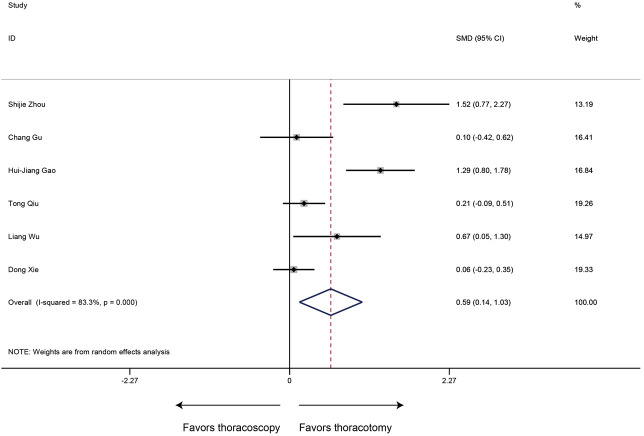
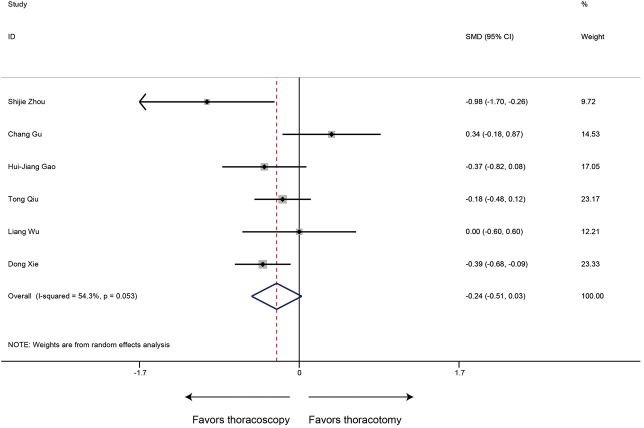
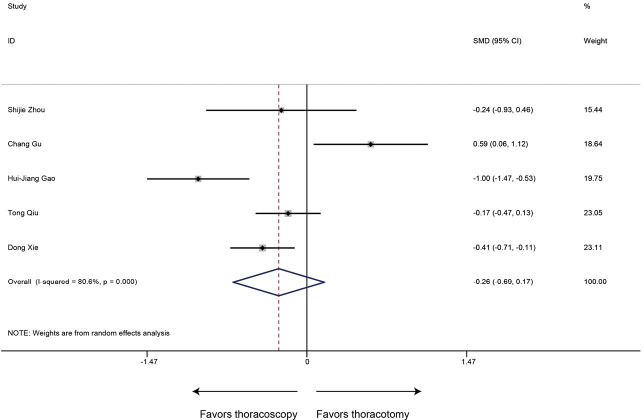
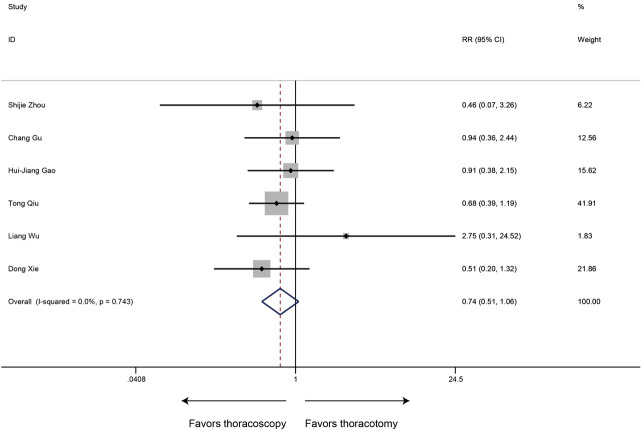
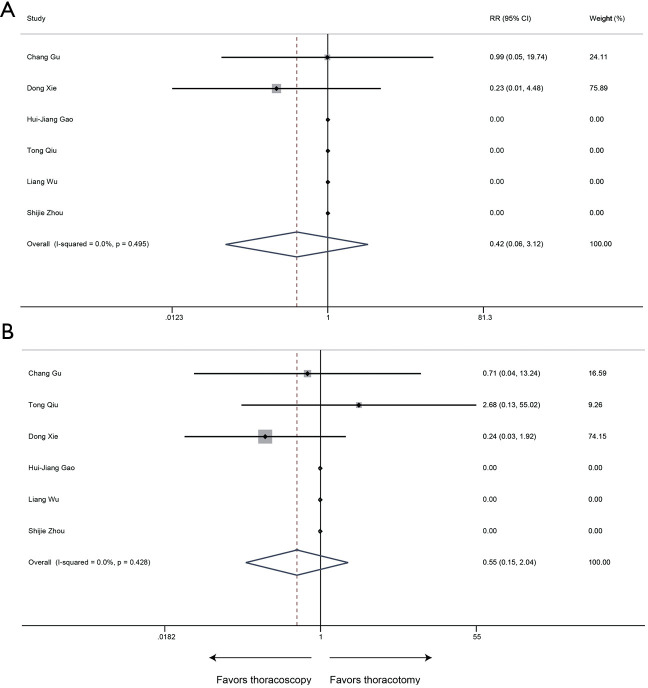
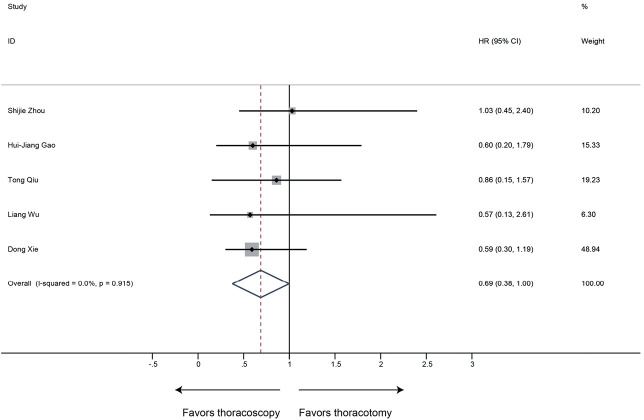
Results: Six studies generating 281 thoracoscopy and 369 thoracotomy cases were finally included. There was no significant difference in intraoperative blood loss, number of resected lymph nodes, chest drainage time, postoperative complication rate and mortality between two groups. However, thoracoscopic sleeve lobectomy was associated with longer operation time (SMD 0.59, 95% CI: 0.14 to 1.03, P=0.010). And shorter postoperative hospital stays (SMD -0.24, 95% CI: -0.51 to 0.03, P=0.078) were observed in the thoracoscopy group with marginal significance. Furthermore, sleeve lobectomy via thoracoscopy could achieve comparable OS compared to that via thoracotomy (HR 0.69, 95% CI: 0.38 to 1.00; P<0.001). In addition, there were no evident publication bias in all observational outcomes.

Conclusions: Current evidence suggests that thoracoscopic sleeve lobectomy is a safe and efficient surgical procedure for centrally located NSCLC, with comparable perioperative outcomes and equivalent oncological results compared to thoracotomy sleeve lobectomy.

Keywords: Video-assisted thoracoscopic surgery (VATS); non-small cell lung cancer (NSCLC); robotic-assisted thoracoscopic surgery (RATS); sleeve lobectomy; thoracotomy.


Conflict of interest statement

Conflicts of Interest: All authors have completed the ICMJE uniform disclosure form (available at http://dx.doi.org/10.21037/jtd-20-1855). The authors have no conflicts of interest to declare.

Figures
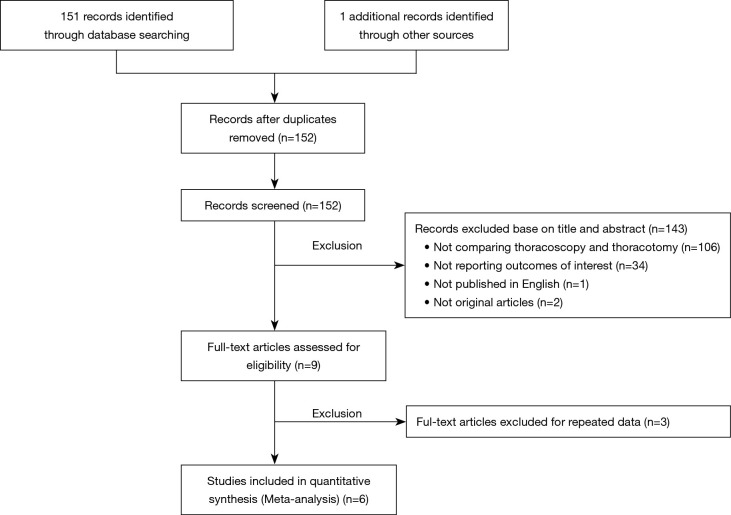
Figure 1
Figure 1
Flow diagram of study selection.
Figure 2
Figure 2
Meta-analysis: the operation time for thoracoscopic and thoracotomy sleeve lobectomy. Note: for propensity matched studies, only cases after matching were included.
Figure 3
Figure 3
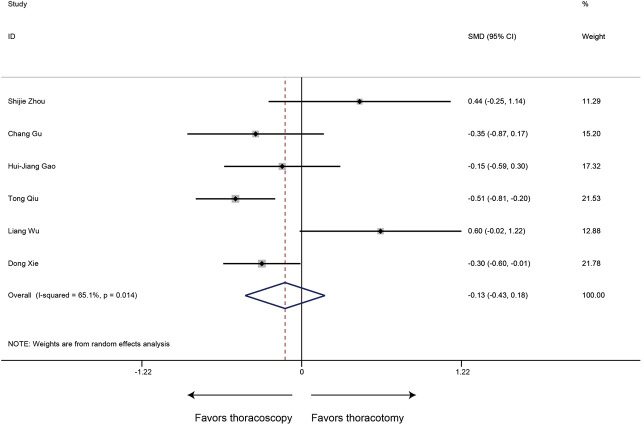
Meta-analysis: the blood loss for thoracoscopic and thoracotomy sleeve lobectomy. Note: for propensity matched studies, only cases after matching were included.
Figure 4
Figure 4
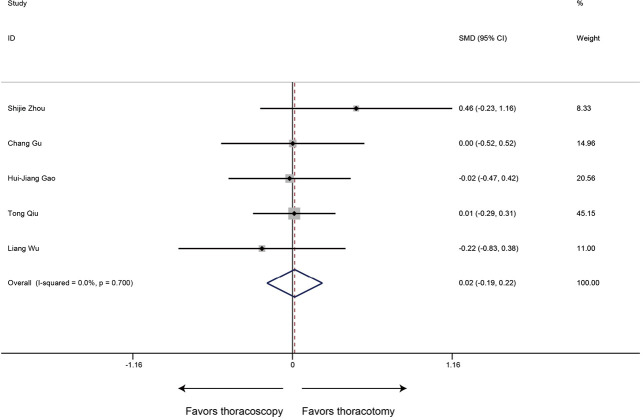
Meta-analysis: the number of resected lymph nodes for thoracoscopic and thoracotomy sleeve lobectomy. Note: for propensity matched studies, only cases after matching were included.
Figure 5
Figure 5
Meta-analysis: the postoperative hospital stay for thoracoscopic and thoracotomy sleeve lobectomy. Note: for propensity matched studies, only cases after matching were included.
Figure 6
Figure 6
Meta-analysis: the chest drainage time for thoracoscopic and thoracotomy sleeve lobectomy. Note: for propensity matched studies, only cases after matching were included.
Figure 7
Figure 7
Meta-analysis: the postoperative complication rate for thoracoscopic and thoracotomy sleeve lobectomy. Note: for propensity matched studies, only cases after matching were included.
Figure 8
Figure 8
Meta-analysis: the 30-day (A) and 90-day (B) mortality rate for thoracoscopic and thoracotomy sleeve lobectomy. Note: for propensity matched studies, only cases after matching were included.
Figure 9
Figure 9
Meta-analysis: the OS for thoracoscopic and thoracotomy sleeve lobectomy. Note: for propensity matched studies, only cases after matching were included.
Figure 10
Figure 10
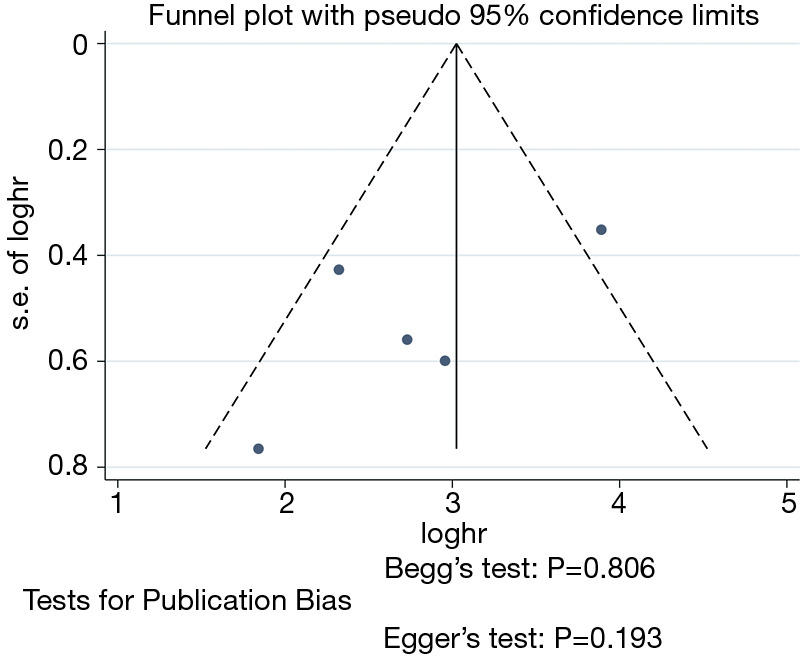
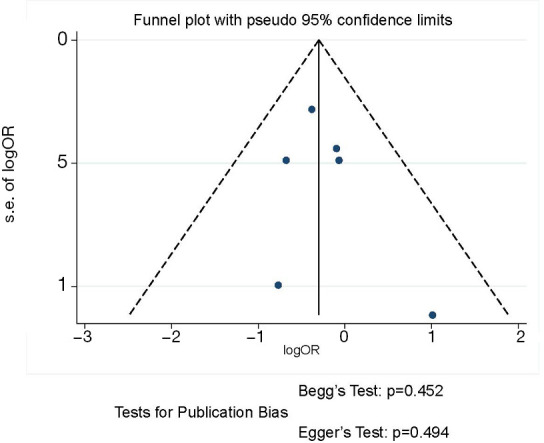
The funnel plot and publication bias tests for the OS of thoracoscopic and thoracotomy sleeve lobectomy. Note: for propensity matched studies, only cases after matching were included.
Figure S1
Figure S1
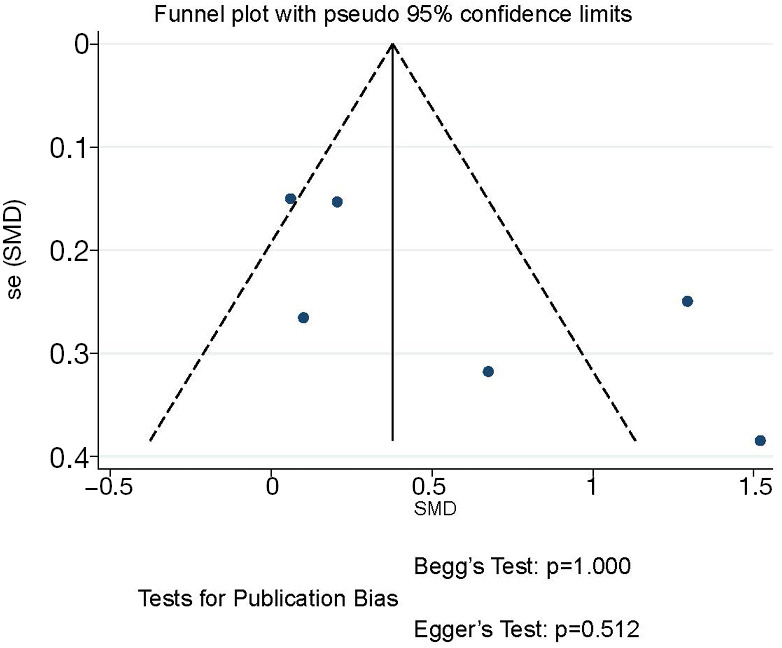
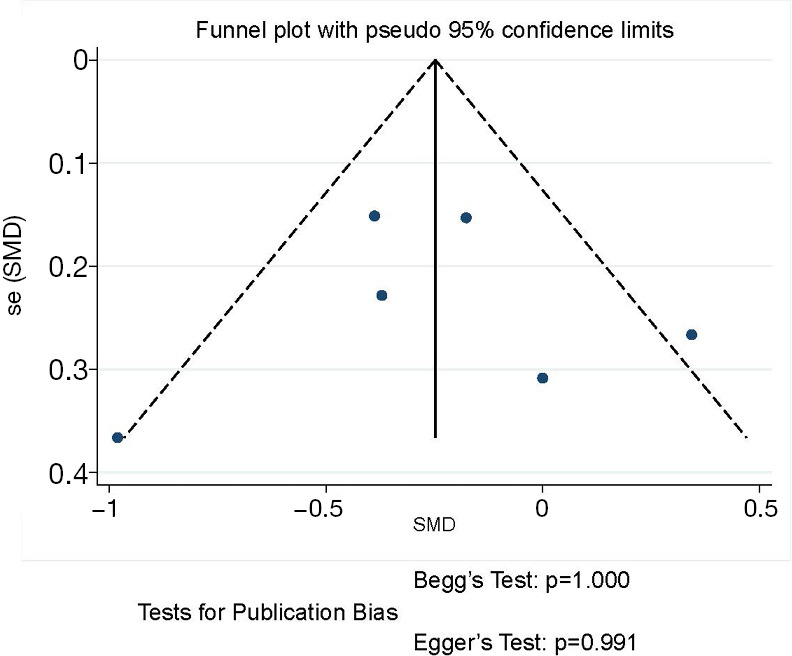
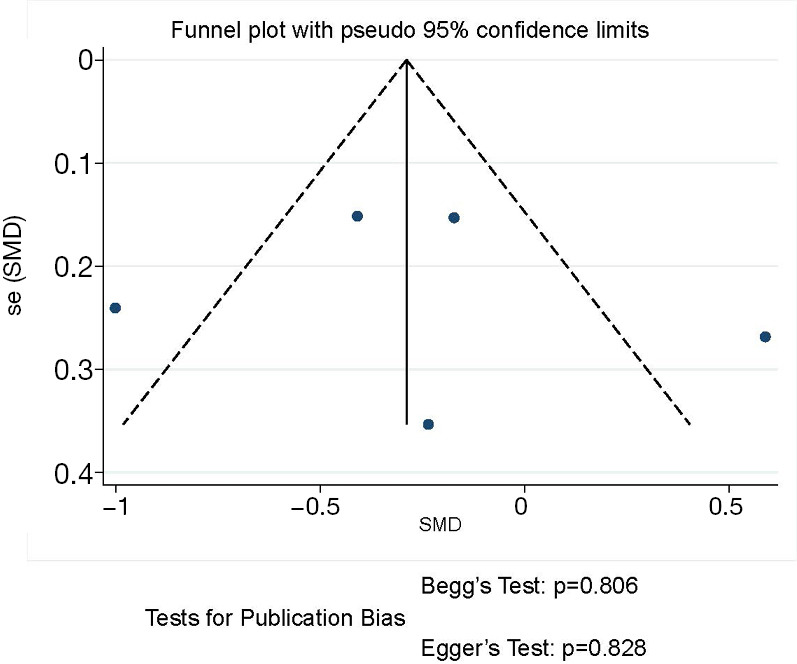
The funnel plot and publication bias tests for operative time of thoracoscopic and thoracotomy sleeve lobectomy. Note: for propensity matched studies, only cases after matching were included.
Figure S2
Figure S2
The funnel plot and publication bias tests for blood loss of thoracoscopic and thoracotomy sleeve lobectomy. Note: for propensity matched studies, only cases after matching were included.
Figure S3
Figure S3
The funnel plot and publication bias tests for number of resected lymph nodes of thoracoscopic and thoracotomy sleeve lobectomy. Note: for propensity matched studies, only cases after matching were included.
Figure S4
Figure S4
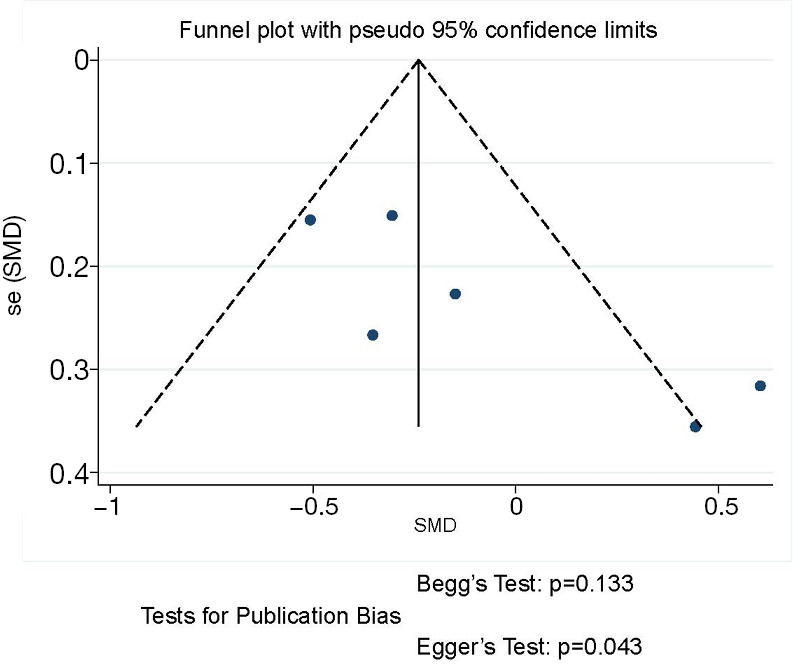
The funnel plot and publication bias tests for postoperative hospital stays of thoracoscopic and thoracotomy sleeve lobectomy. Note: for propensity matched studies, only cases after matching were included.
Figure S5
Figure S5
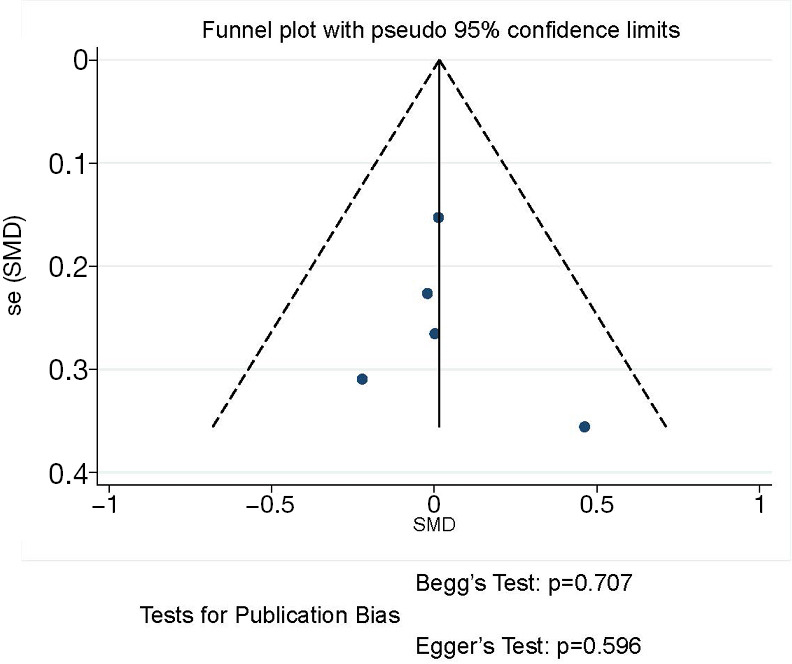
The funnel plot and publication bias tests for chest drainage time of thoracoscopic and thoracotomy sleeve lobectomy. Note: for propensity matched studies, only cases after matching were included.
Figure S6
Figure S6
The funnel plot and publication bias tests for postoperative complication rate of thoracoscopic and thoracotomy sleeve lobectomy. Note: for propensity matched studies, only cases after matching were included.
Figure S7
Figure S7
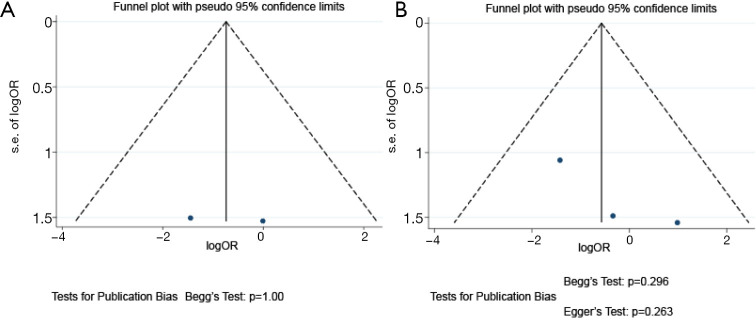
The funnel plot and publication bias tests for 30-day (A) and 90-day (B) mortality of thoracoscopic and thoracotomy sleeve lobectomy. Note: for propensity matched studies, only cases after matching were included.

References

    1. Siegel RL, Miller KD, Jemal A. Cancer statistics, 2020. CA Cancer J Clin 2020;70:7-30. 10.3322/caac.21590 - DOI - PubMed
    1. Brewer LA, 3rd. The first pneumonectomy. Historical notes. J Thorac Cardiovasc Surg 1984;88:810-26. - PubMed
    1. Graham EA, Singer JJ. Landmark article Oct 28, 1933. Successful removal of an entire lung for carcinoma of the bronchus. JAMA 1984;251:257-60. 10.1001/jama.1984.03340260061031 - DOI - PubMed
    1. Berry MF, Worni M, Wang X, et al. Sleeve lobectomy for non-small cell lung cancer with N1 nodal disease does not compromise survival. Ann Thorac Surg 2014;97:230-5. 10.1016/j.athoracsur.2013.09.016 - DOI - PMC - PubMed
    1. Pages PB, Mordant P, Renaud S, et al. Sleeve lobectomy may provide better outcomes than pneumonectomy for non-small cell lung cancer. A decade in a nationwide study. J Thorac Cardiovasc Surg 2017;153:184-95.e3. 10.1016/j.jtcvs.2016.09.060 - DOI - PubMed