


I Spy with My Little Eye: A Paediatric Visual Preferences Survey of 3D Printed Tablets
- PMID: 33212847
- PMCID: PMC7698452
- DOI: 10.3390/pharmaceutics12111100
I Spy with My Little Eye: A Paediatric Visual Preferences Survey of 3D Printed Tablets
Abstract
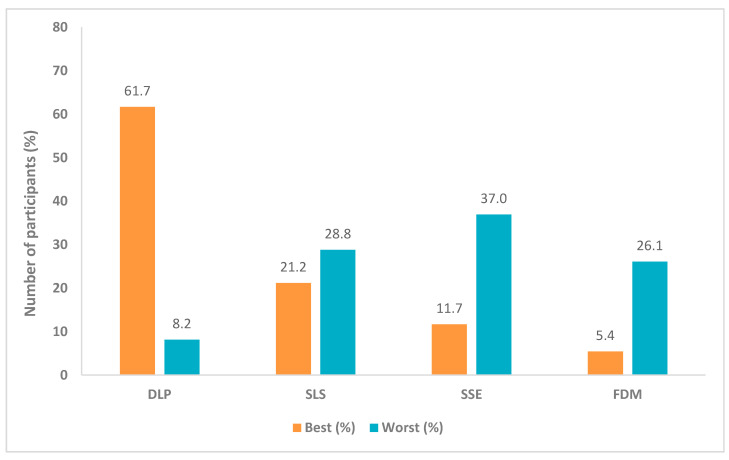
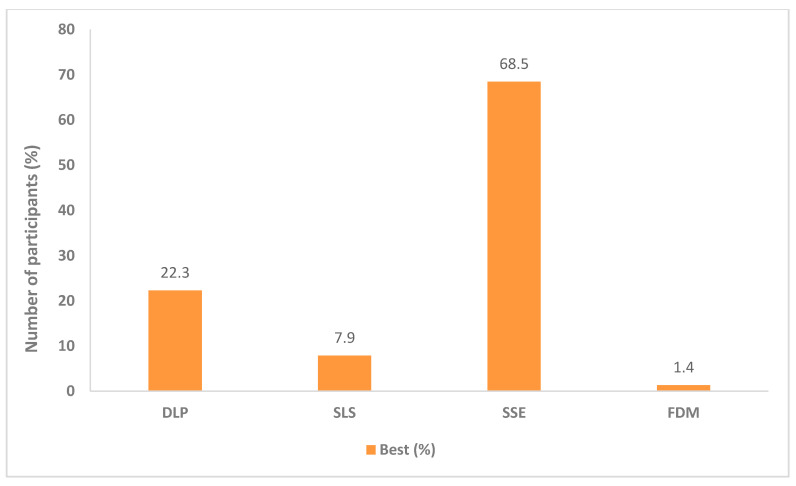
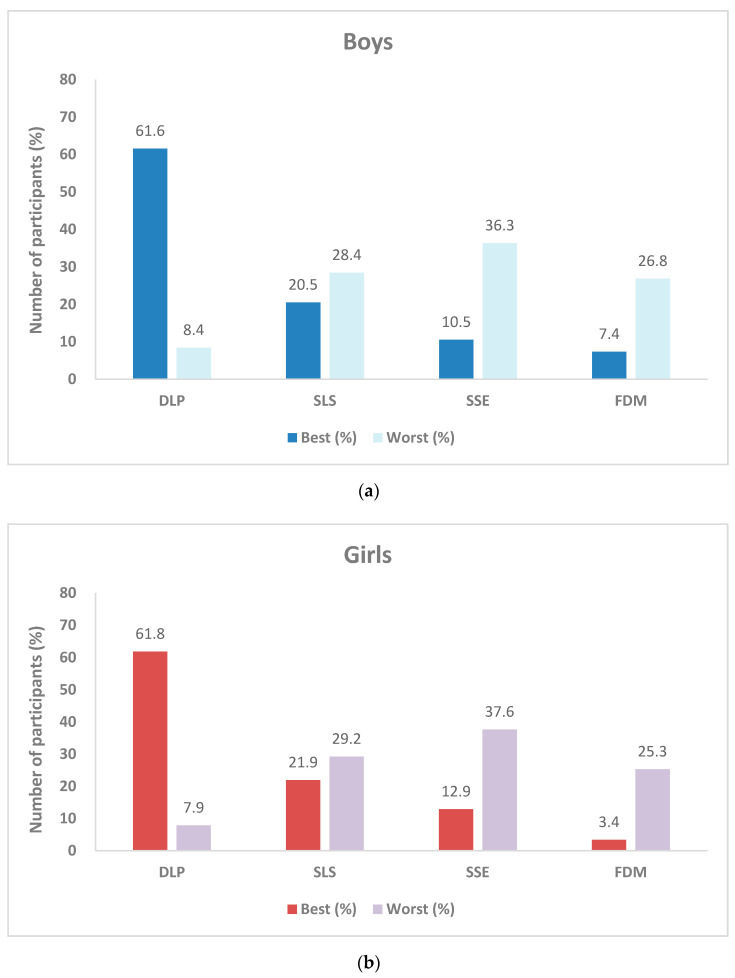
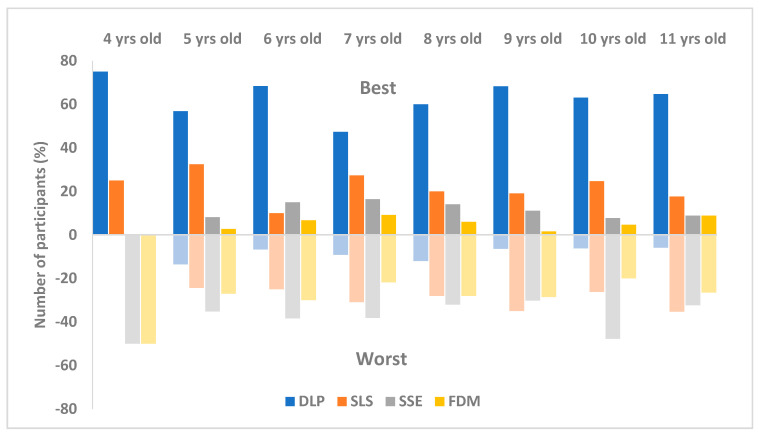
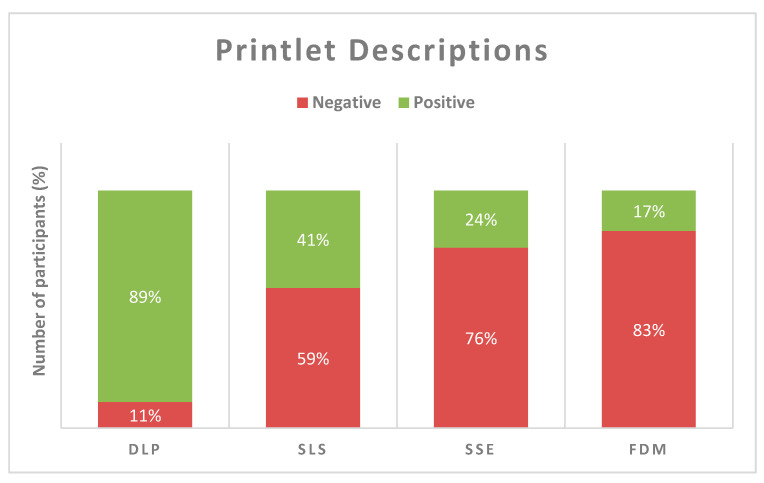
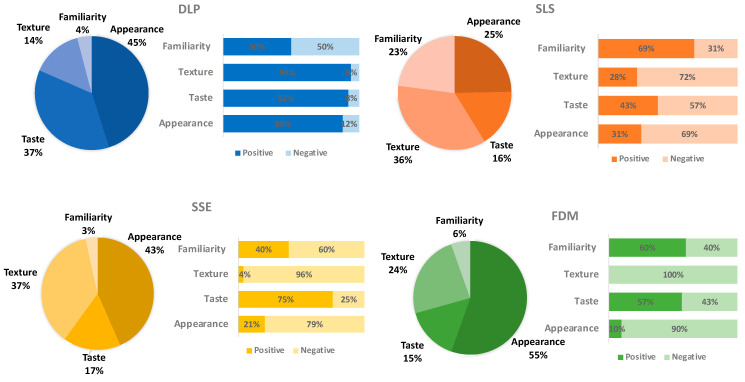
3D printing (3DP) in the pharmaceutical field is a disruptive technology that allows the preparation of personalised medicines at the point of dispensing. The paediatric population presents a variety of pharmaceutical formulation challenges such as dose flexibility, patient compliance, taste masking and the fear or difficulty to swallow tablets, all factors that could be overcome using the adaptable nature of 3DP. User acceptability studies of 3D printed formulations have been previously carried out in adults; however, feedback from children themselves is essential in establishing the quality target product profile towards the development of age-appropriate medicines. The aim of this study was to investigate the preference of children for different 3D printed tablets (Printlets™) as an important precursor to patient acceptability studies. Four different 3DP technologies; digital light processing (DLP), selective laser sintering (SLS), semi-solid extrusion (SSE) and fused deposition modeling (FDM) were used to prepare placebo printlets with similar physical attributes including size and shape. A single-site, two-part survey was completed with participants aged 4-11 years to determine their preference and opinions based on visual inspection of the printlets. A total of 368 participants completed an individual open questionnaire to visually select the best and worst printlet, and 310 participants completed further non-compulsory open questions to elaborate on their choices. Overall, the DLP printlets were the most visually appealing to the children (61.7%) followed by the SLS printlets (21.2%), and with both the FDM (5.4%) and SSE (11.7%) printlets receiving the lowest scores. However, after being informed that the SSE printlets were chewable, the majority of participants changed their selection and favoured this printlet, despite their original choice, in line with children's preference towards chewable dosage forms. Participant age and sex displayed no significant differences in printlet selection. Printlet descriptions were grouped into four distinct categories; appearance, perceived taste, texture and familiarity, and were found to be equally important when creating a quality target product profile for paediatric 3D printed formulations. This study is the first to investigate children's perceptions of printlets, and the findings aim to provide guidance for further development of paediatric-appropriate medicines using different 3DP technologies.
Keywords: 3D printed drug products; MEDIMAKER 3D printing technology; additive manufacturing; pediatrics; personalized pharmaceuticals; printing formulations and dosage forms; printlets; three-dimensional printing; visual preference.
Conflict of interest statement
The authors declare no conflict of interest. The co-authors Simon Gaisford, Abdul W. Basit and Alvaro Goyanes are directors of FabRx Ltd., The Company had no role in the design of the study; in the collection, analyses, or interpretation of data; in the writing of the manuscript, or in the decision to publish the results.
Figures

References
-
- Basit A.W., Gaisford S. 3d Printing of Pharmaceuticals. Volume 31. Springer; Berlin/Heidelberg, Germany: 2018. - DOI
-
- Aprecia Pharmaceuticals Fda Approves the First 3d Printed Drug Product. [(accessed on 8 September 2020)]; Available online: https://www.aprecia.com/news/fda-approves-the-first-3d-printed-drug-product.
-
- Goyanes A., Madla C.M., Umerji A., Piñeiro G.D., Montero J.M.G., Diaz M.J.L., Barcia M.G., Taherali F., Sánchez-Pintos P., Couce M.-L. Automated therapy preparation of isoleucine formulations using 3d printing for the treatment of msud: First single-centre, prospective, crossover study in patients. Int. J. Pharm. 2019;567:118497. doi: 10.1016/j.ijpharm.2019.118497. - DOI - PubMed
Grants and funding
LinkOut - more resources
Full Text Sources
Other Literature Sources
