


Information and sin goods: Experimental evidence on cigarettes
- PMID: 33220157
- PMCID: PMC8312502
- DOI: 10.1002/hec.4189
Information and sin goods: Experimental evidence on cigarettes
Abstract
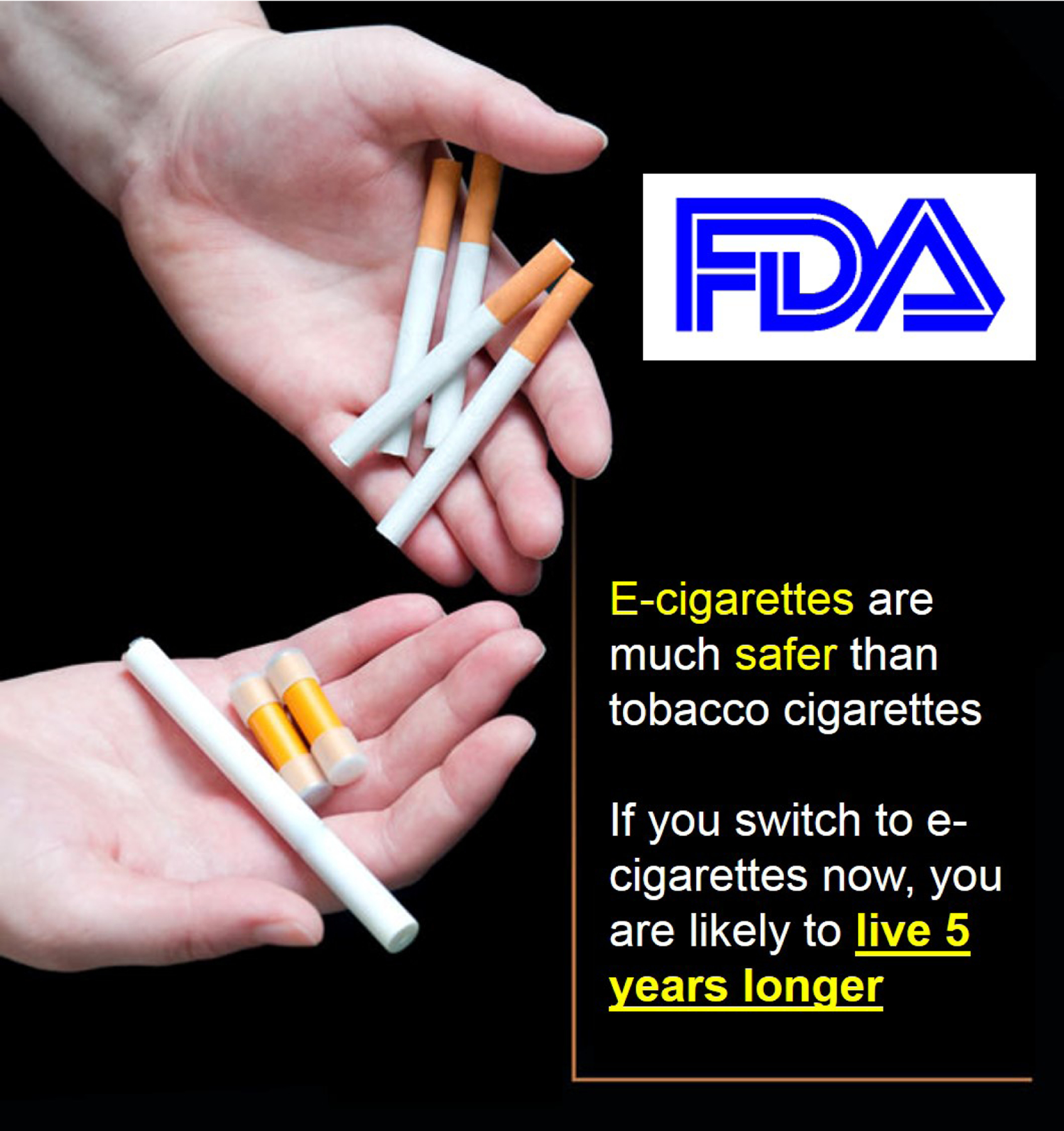
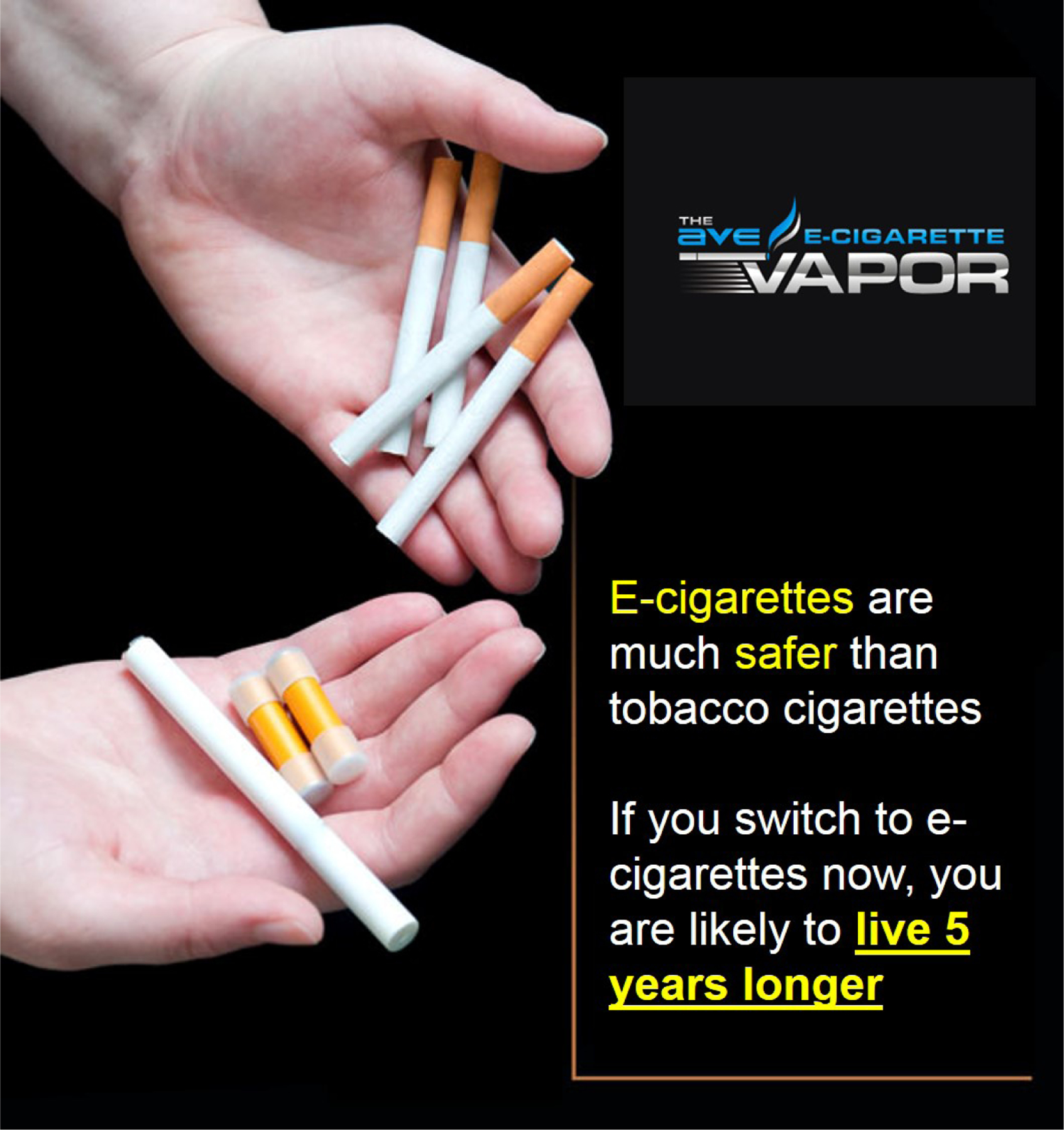
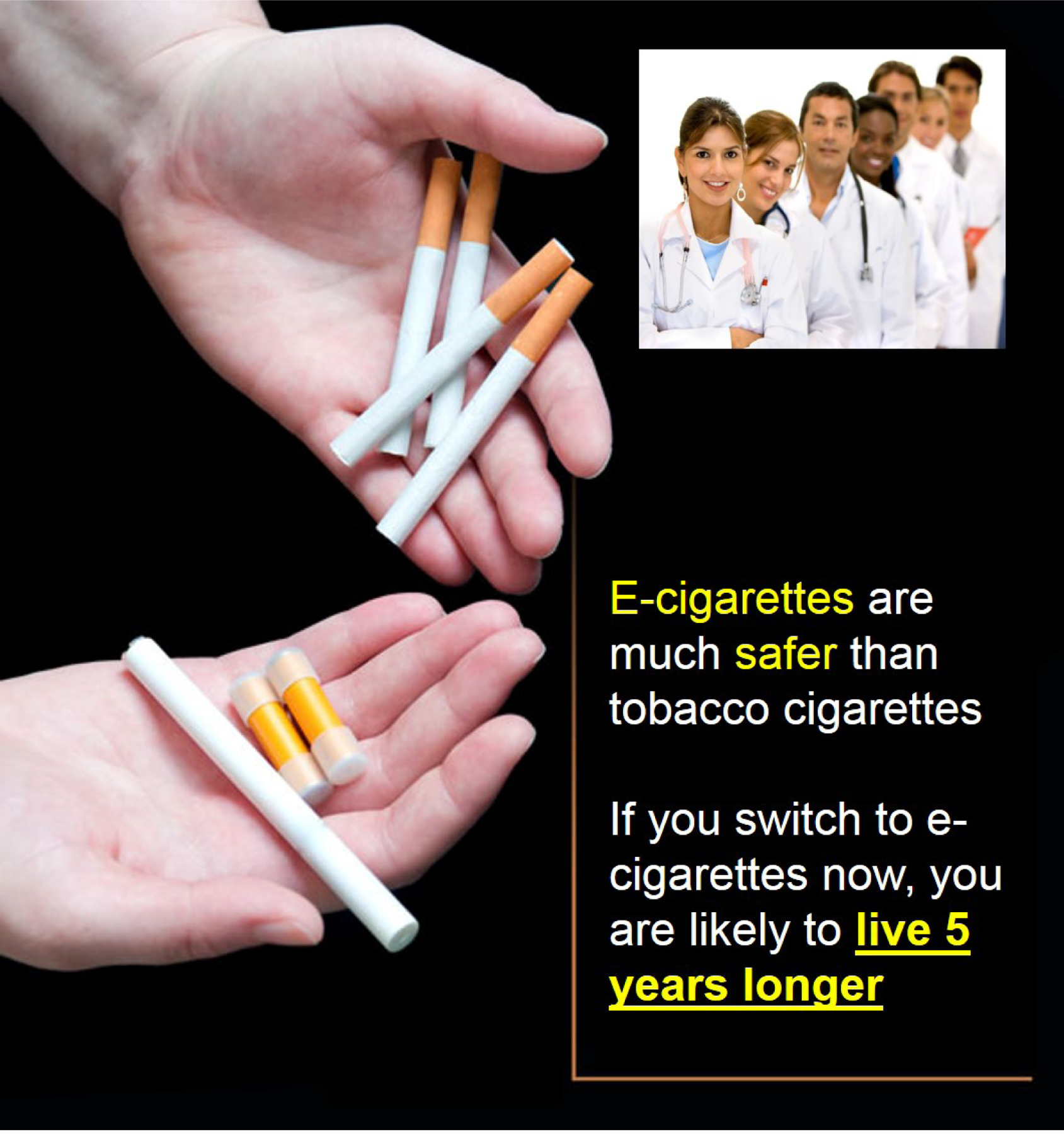
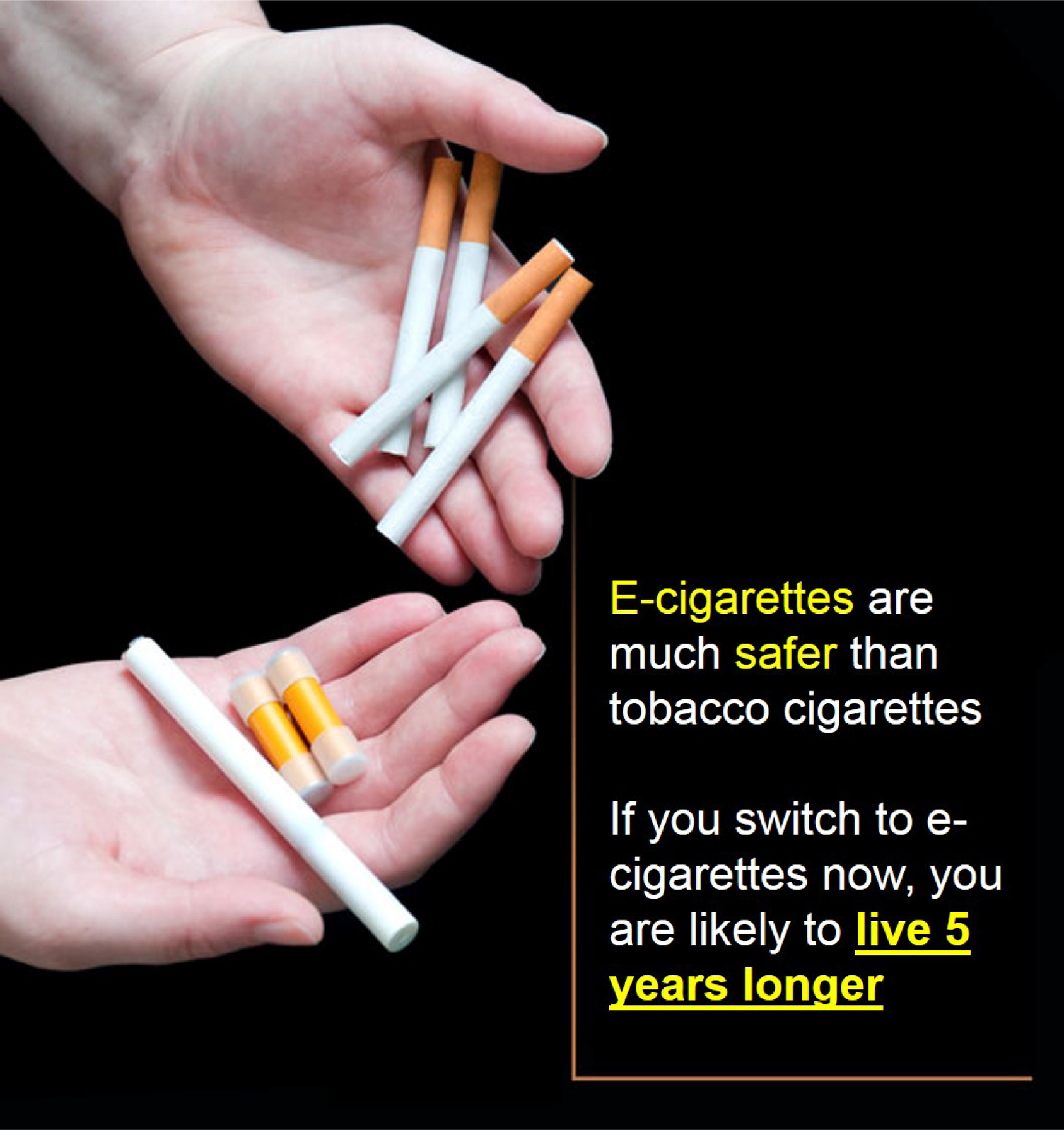
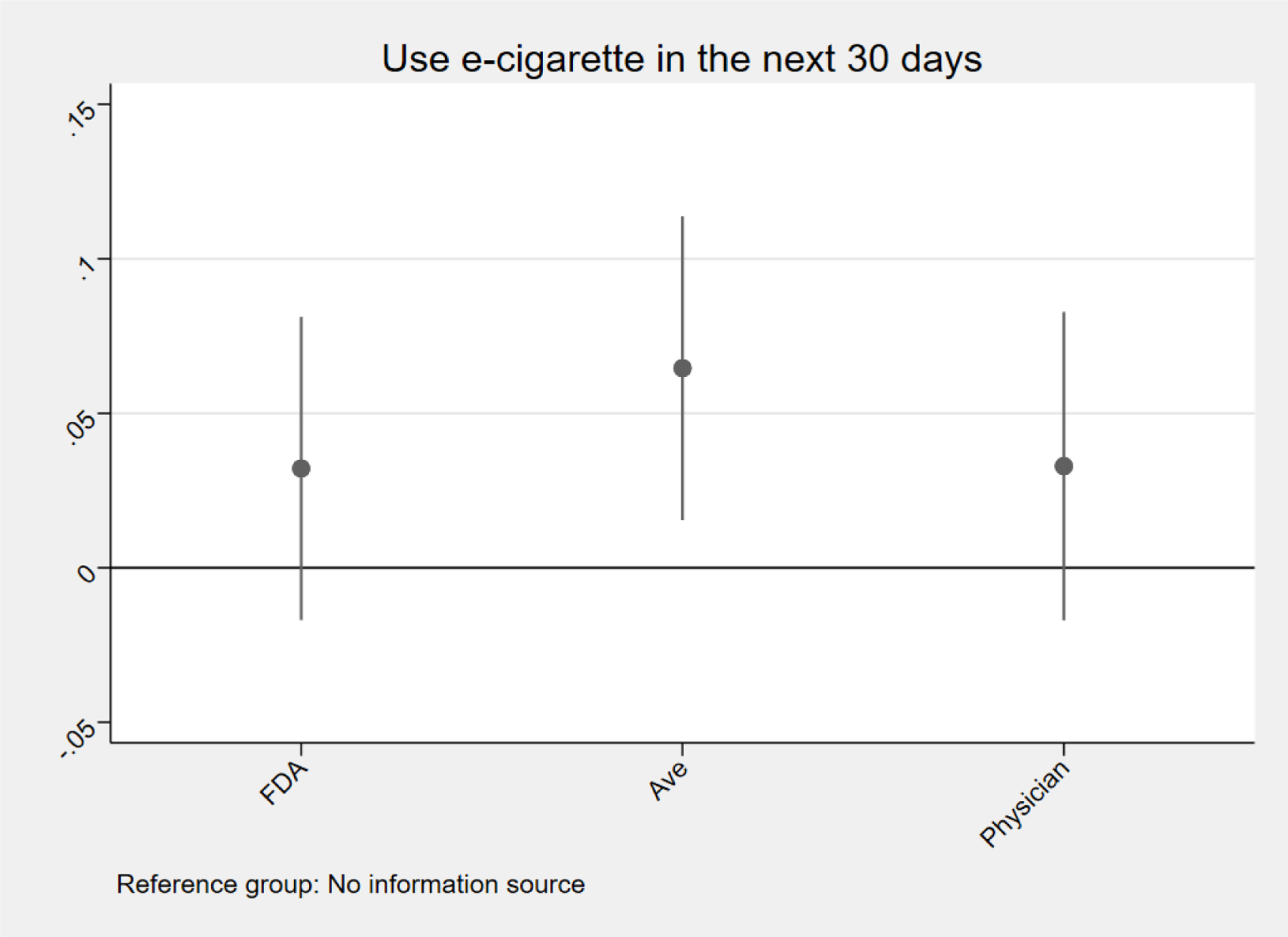
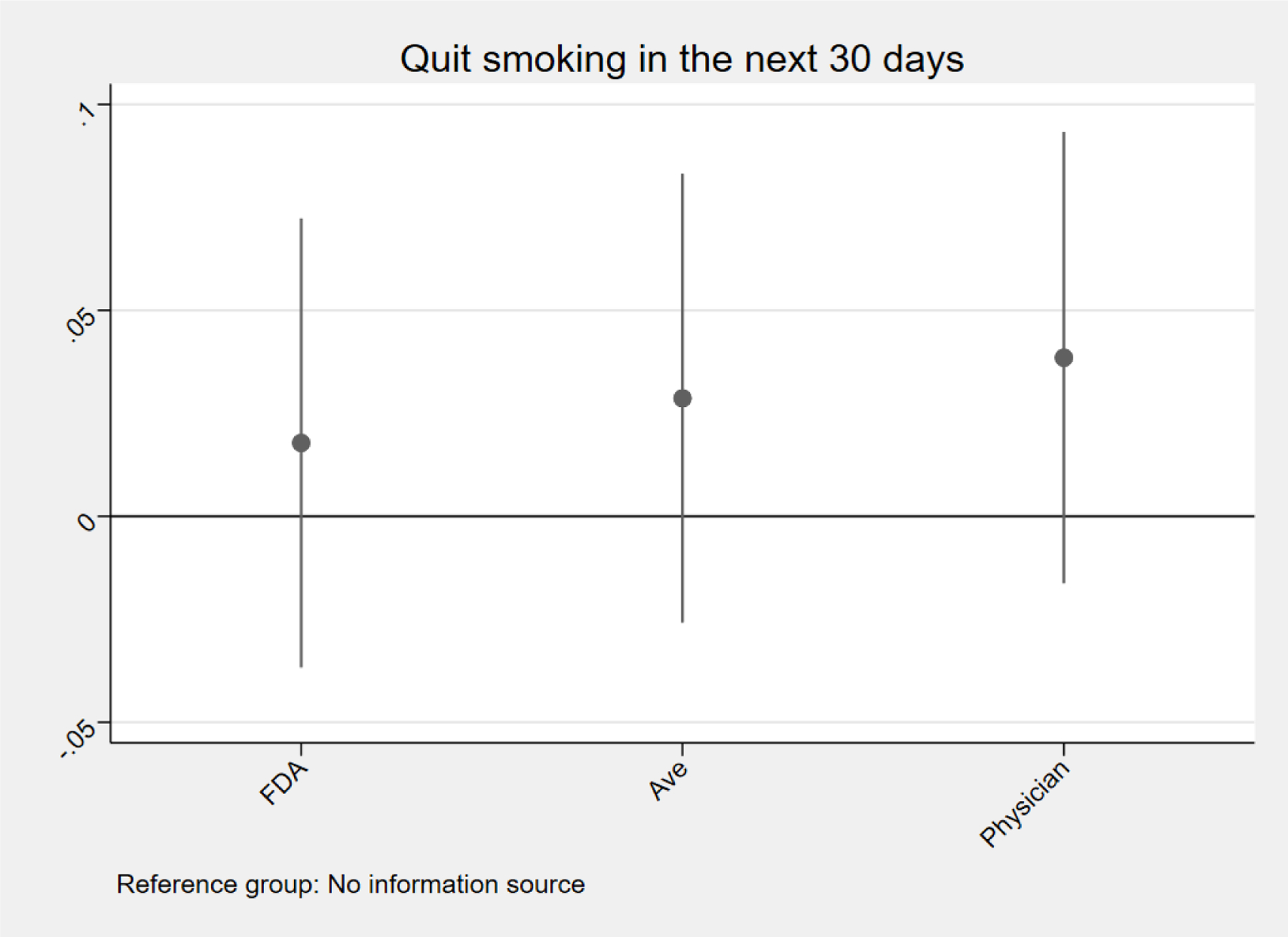
We test the importance of information source on consumer choice in the context of sin goods, specifically electronic and tobacco cigarettes, among adult smokers. We proxy choice with intentions to vape and quit smoking in the next 30 days. We experimentally vary the information source: government, private companies, physicians, and no source. Our findings suggest that information source matters in the context of cigarettes choice for adult smokers. Private companies appear to be an important information source for cigarettes among adult smokers.
Keywords: choice; electronic cigarettes; experiments; information; signaling; sin goods; smoking.
© 2020 John Wiley & Sons Ltd.
Figures
References
-
- Abadie A, Athey S, Imbens GW, & Wooldridge J (2017). When should you adjust standard errors for clustering? (Tech. Rep. No. 24003). National Bureau of Economic Research.
-
- Ajzen I (1991). The theory of planned behavior. Organizational Behavior and Human Decision Processes, 50(2), 179–211.
-
- Allen JG, Flanigan SS, LeBlanc M, Vallarino J, MacNaughton P, Stewart JH, & Christiani DC (2016). Flavoring chemicals in e-cigarettes: diacetyl, 2, 3-pentanedione, and acetoin in a sample of 51 products, including fruit-, candy-, and cocktail-flavored e-cigarettes. Environmental Health Perspectives, 124(6), 733. - PMC - PubMed
-
- American Academy of Arts and Sciences. (2018). The Public Face of Science: Perceptions of Science in America (Tech. Rep.) American Academy of Arts and Sciences. Retrieved from https://www.amacad.org/content/publications/publication.aspx?d=43055
-
- Angrist JD, & Pischke J-S (2009). Mostly harmless econometrics: An empiricist’s companion Princeton University Press.
Publication types
MeSH terms
Grants and funding
LinkOut - more resources
Full Text Sources
Medical
