


Long-term efficacy of BCG vaccination in goat herds with a high prevalence of tuberculosis
- PMID: 33230112
- PMCID: PMC7683592
- DOI: 10.1038/s41598-020-77334-1
Long-term efficacy of BCG vaccination in goat herds with a high prevalence of tuberculosis
Abstract
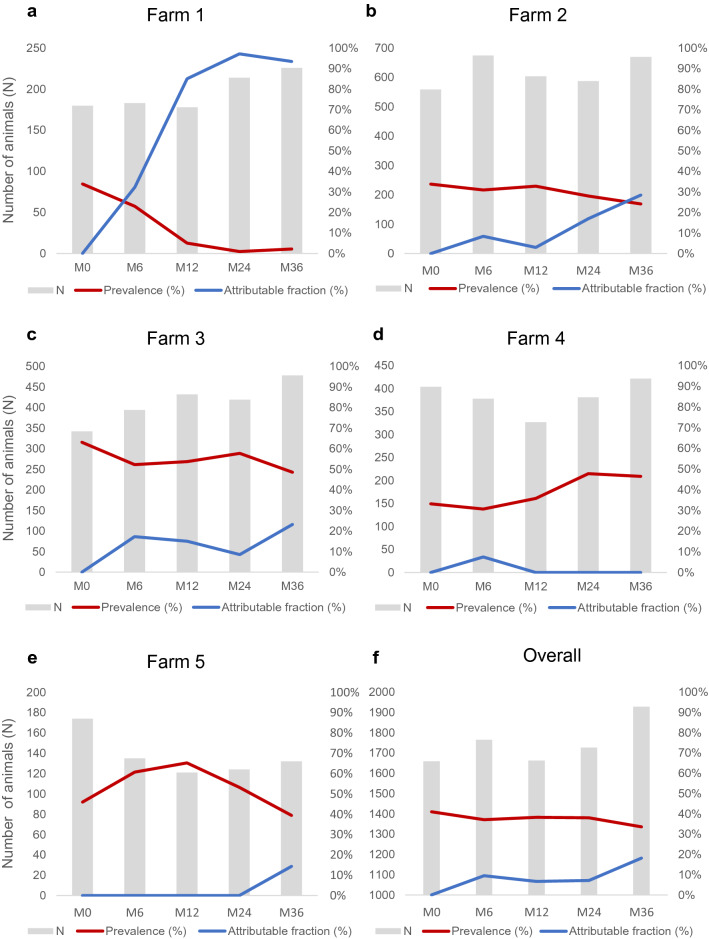
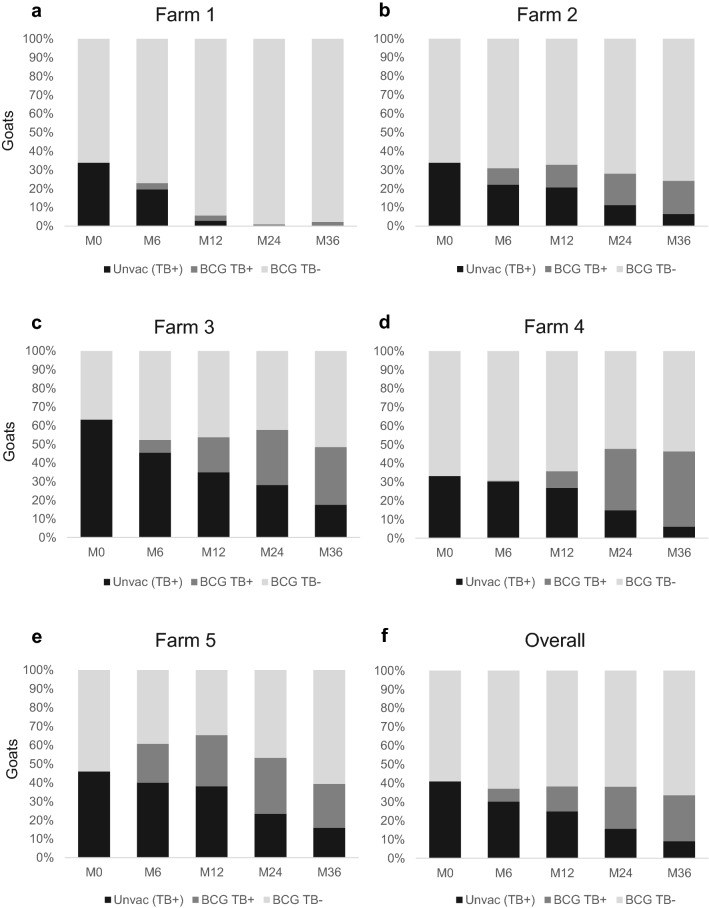
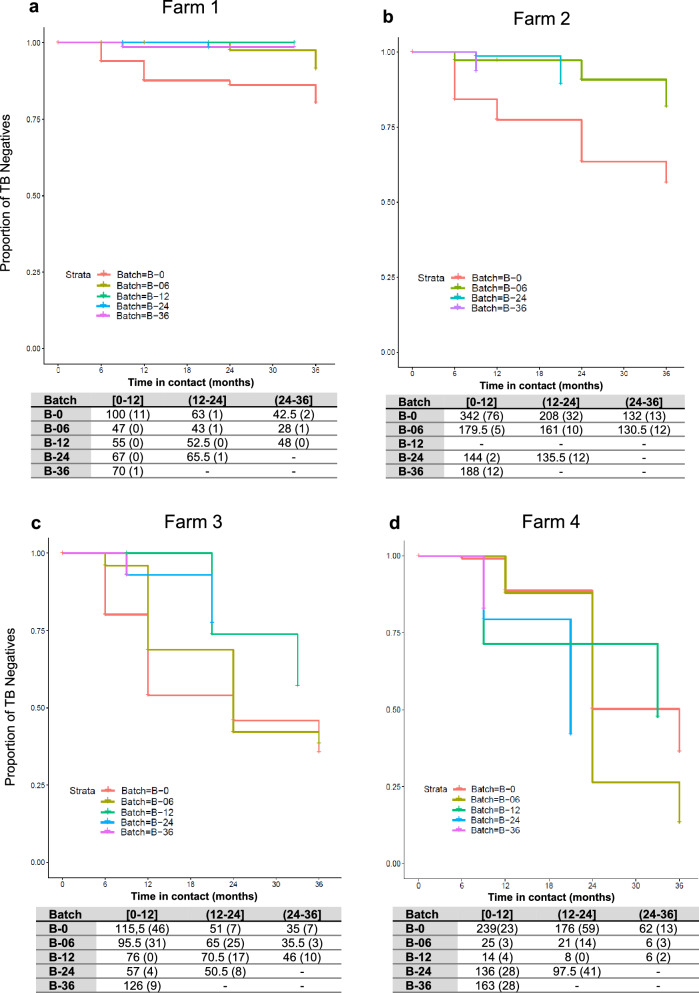
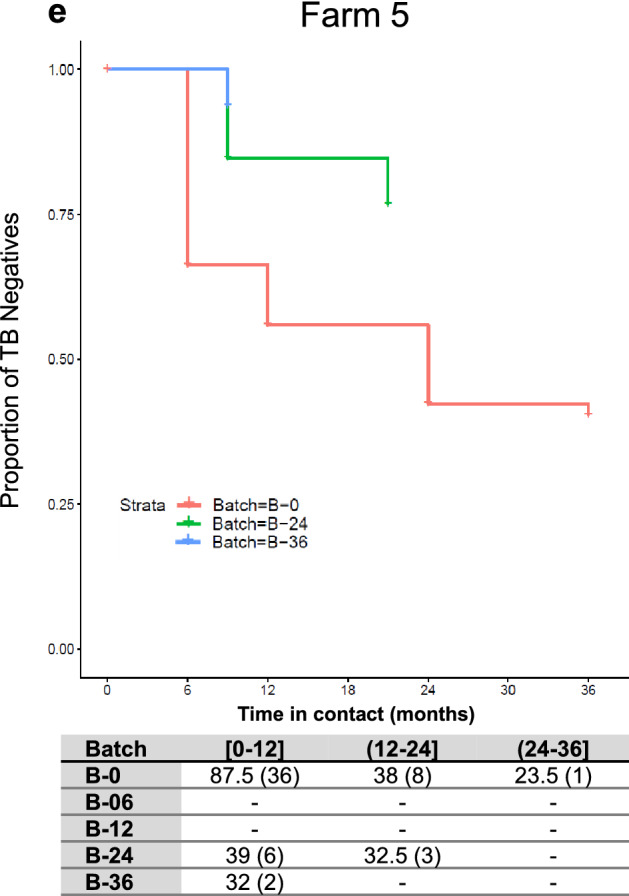
Vaccination of goats against tuberculosis (TB) has been promoted as an ancillary tool for controlling the disease in infected livestock herds. A three-year trial to assess the efficacy of BCG vaccine was carried out in five goat herds. At the beginning of the trial (month 0), all animals were tested for TB using thee different diagnostic tests. Animals negative to all tests were vaccinated with BCG and all replacement goat kids were also systematically vaccinated throughout the trial. All animals were tested by Interferon-gamma release assay (IGRA) using vaccine compatible reagents at months 6, 12, 24, and 36. The risk factors for TB infection were also evaluated. At the end of the study, four out of five farms showed variable reductions of the initial prevalence (93.5%, 28.5%, 23.2%, and 14.3% respectively), and an overall incidence reduction of 50% was observed in BCG vaccinated goats, although adult vaccinated goats showed higher incidences than vaccinated goat kids. The unvaccinated positive animals remaining in herds and adult BCG vaccinated goats significantly enhanced the risk of infection in vaccinated animals. A systematic vaccination of goats with BCG, together with the removal of positive unvaccinated animals, may contribute to reducing the TB prevalence in goat herds.
Conflict of interest statement
The authors declare no competing interests.
Figures
References
-
- Vidal E, et al. Transmission of tuberculosis caused by Mycobacterium caprae between dairy sheep and goats. Small Rumin. Res. 2018;158:22–25. doi: 10.1016/j.smallrumres.2017.11.010. - DOI
Publication types
MeSH terms
Substances
LinkOut - more resources
Full Text Sources
Medical
