


Renal function is associated with blood neurofilament light chain level in older adults
- PMID: 33230211
- PMCID: PMC7683708
- DOI: 10.1038/s41598-020-76990-7
Renal function is associated with blood neurofilament light chain level in older adults
Abstract
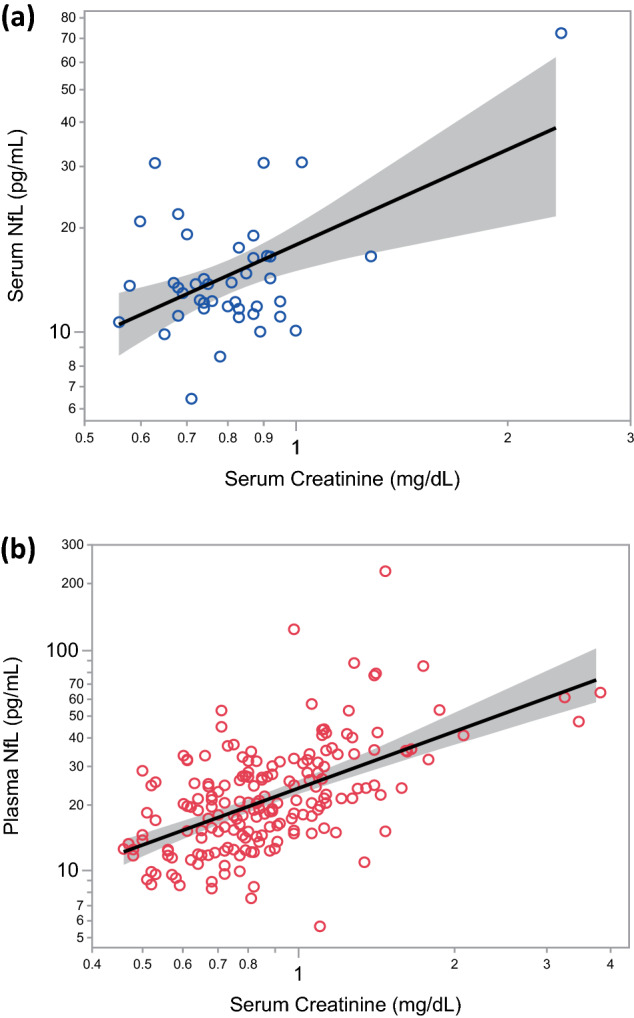
Neurofilament light chain (NfL) is a novel biomarker of neurodegenerative diseases. It is detectable in the peripheral blood, allowing low-invasive assessment of early signs of neurodegeneration. The level of NfL gradually increases with age; however, what other factors affect it remains unclear. The present study examined the association between blood NfL level and renal function among healthy participants undergoing a health check (n = 43, serum NfL) and patients with diabetes mellitus (n = 188, plasma NfL). All participants were 60 years of age or older; none were diagnosed with dementia. In each group, levels of blood NfL and serum creatinine significantly correlated (coefficient r = 0.50, 0.56). These associations remained statistically significant even after adjustment for age, sex, and body mass index. These findings indicate that blood NfL level might be partially affected by renal function. We recommend measuring renal function for a more precise evaluation of neuroaxonal damage, in particular, among older adults.
Conflict of interest statement
The authors declare no competing interests.
Figures

References
Publication types
MeSH terms
Substances
LinkOut - more resources
Full Text Sources
Medical
