


Enhancing GABAergic Tone in the Rostral Nucleus of the Solitary Tract Reconfigures Sensorimotor Neural Activity
- PMID: 33234608
- PMCID: PMC7821855
- DOI: 10.1523/JNEUROSCI.0388-20.2020
Enhancing GABAergic Tone in the Rostral Nucleus of the Solitary Tract Reconfigures Sensorimotor Neural Activity
Abstract
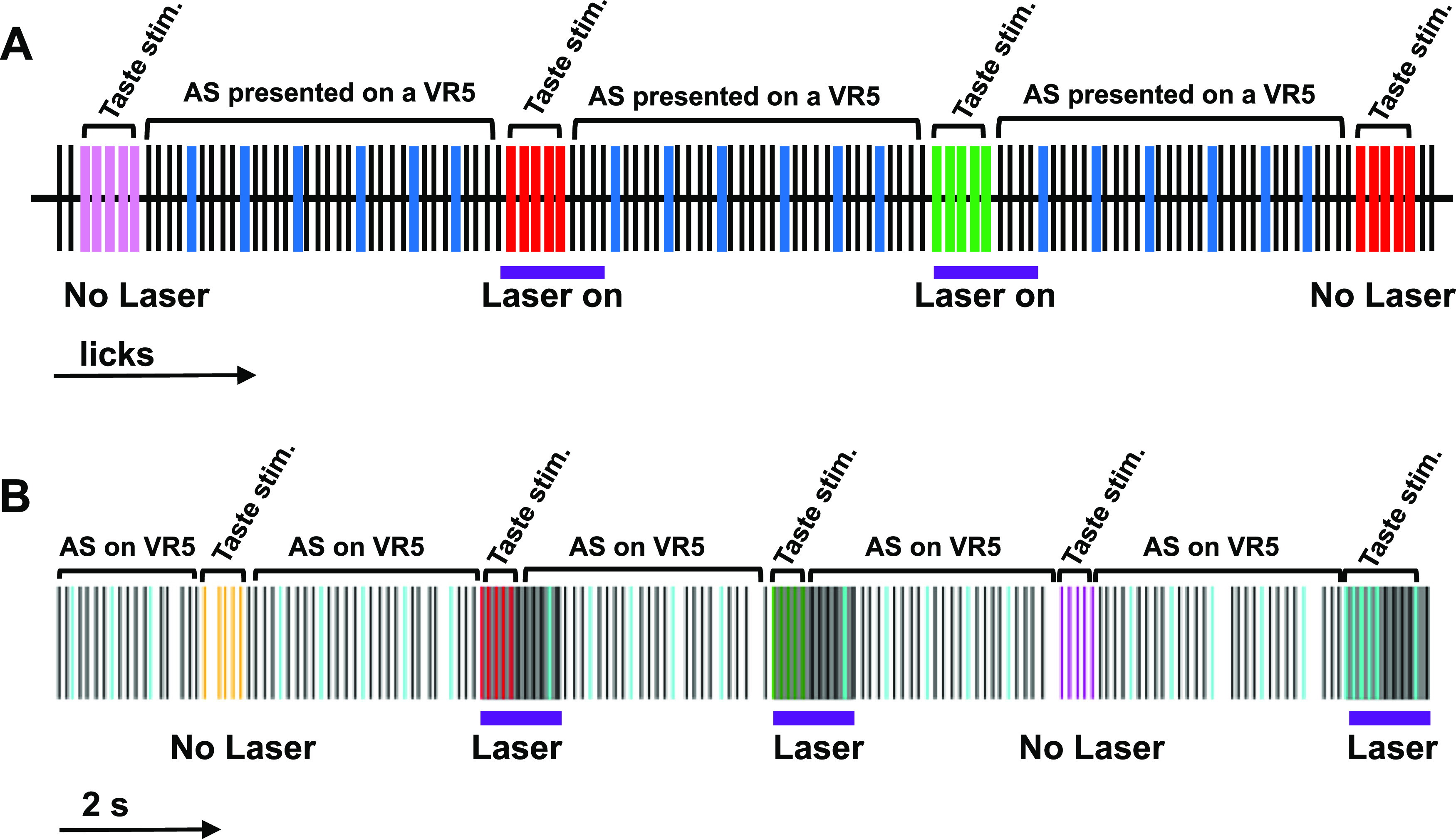
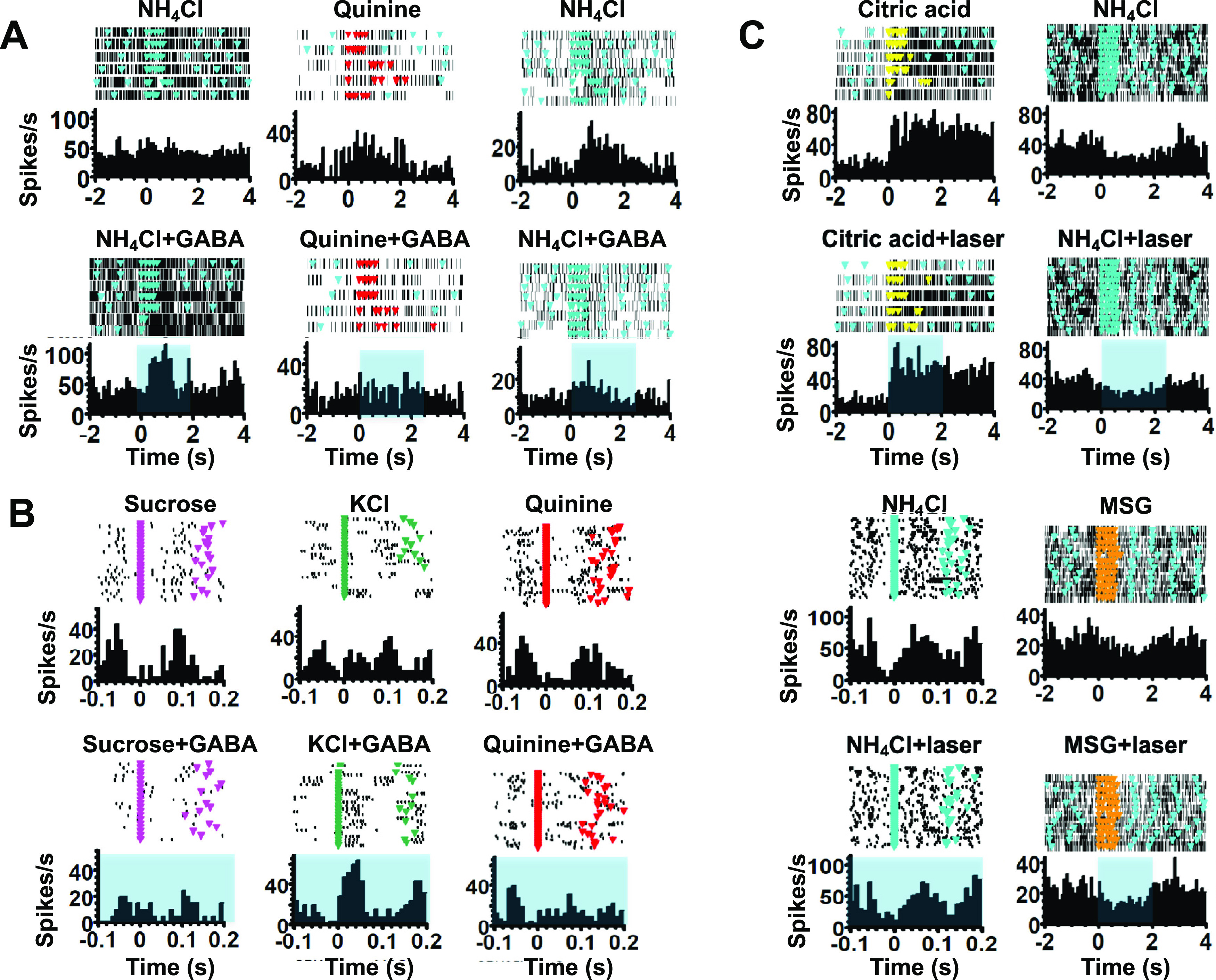
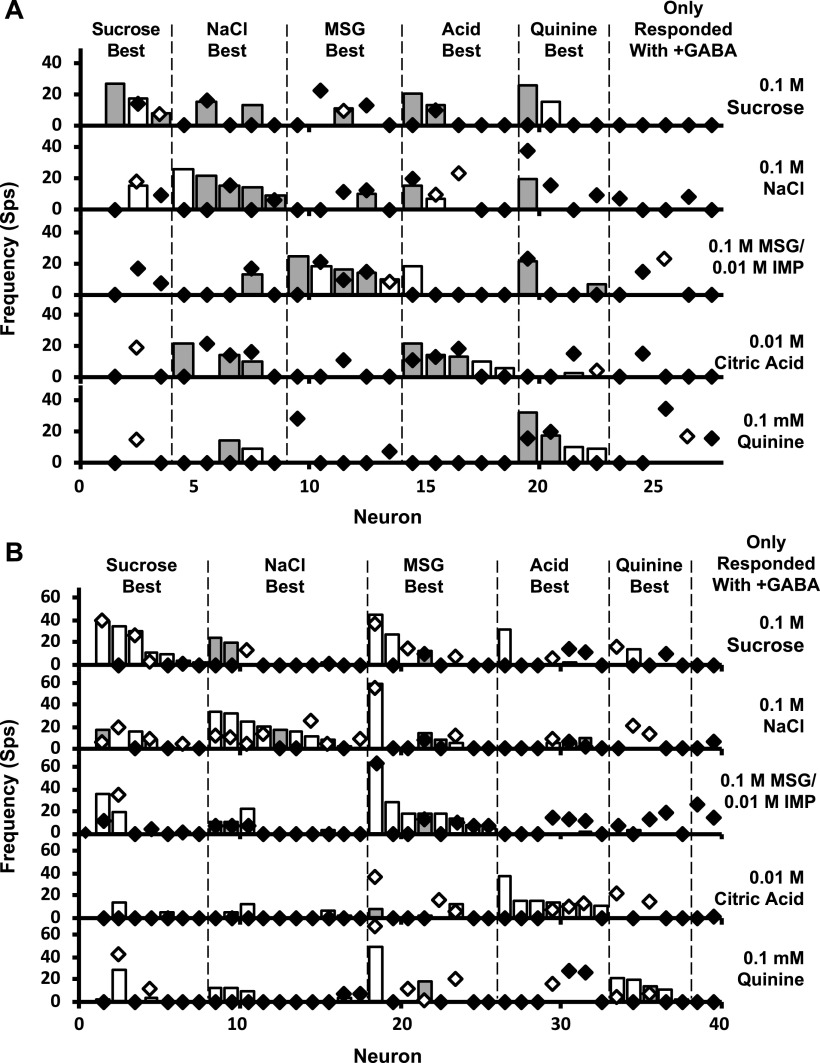
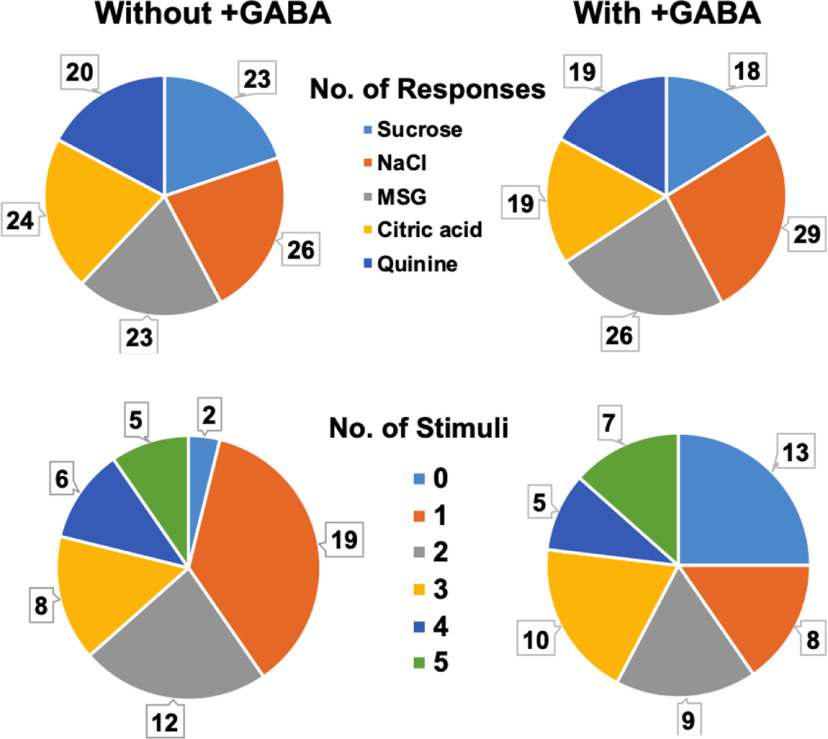
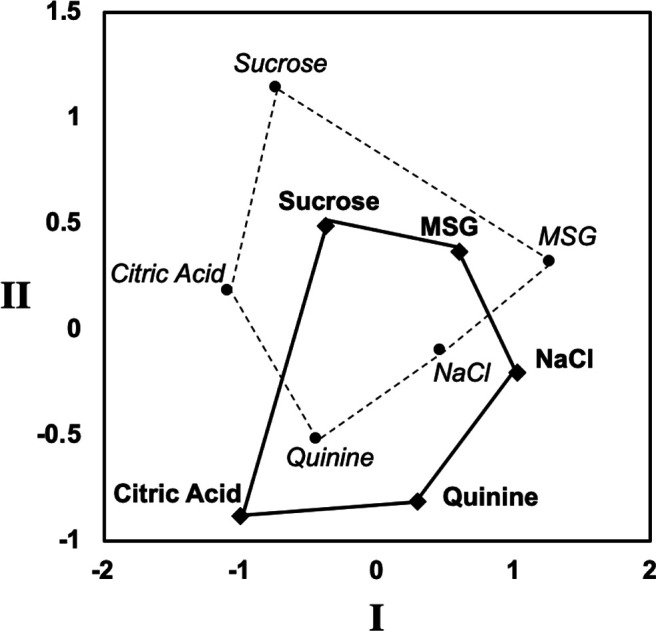
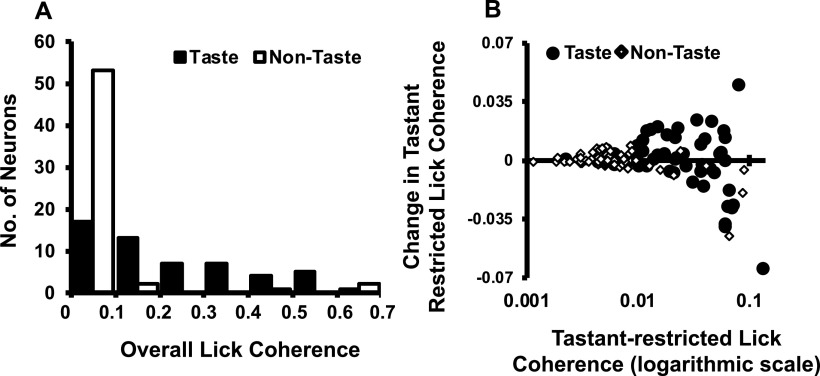
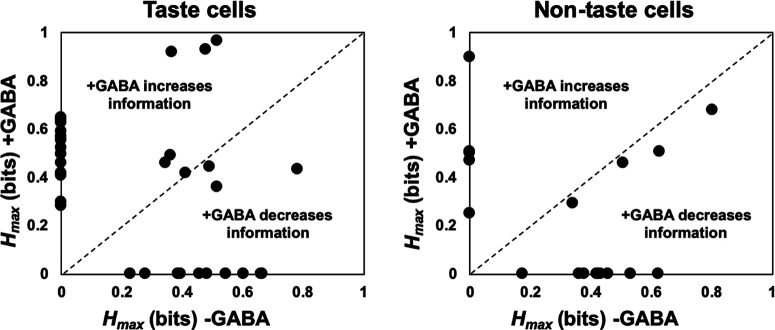
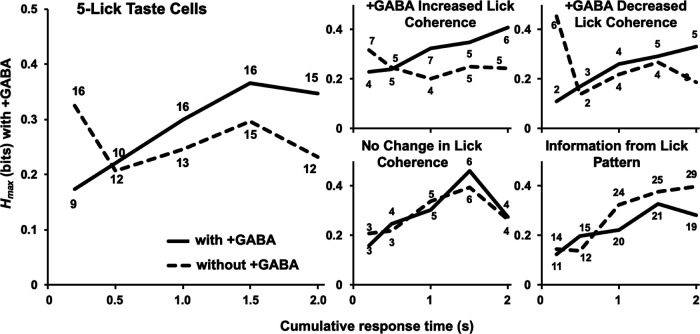
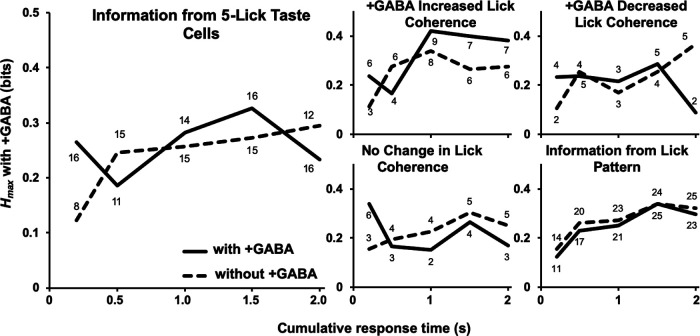
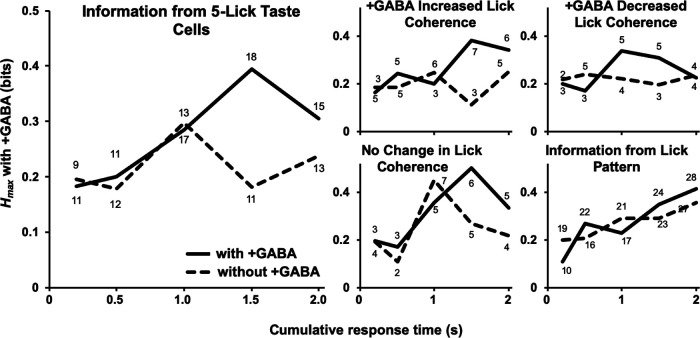
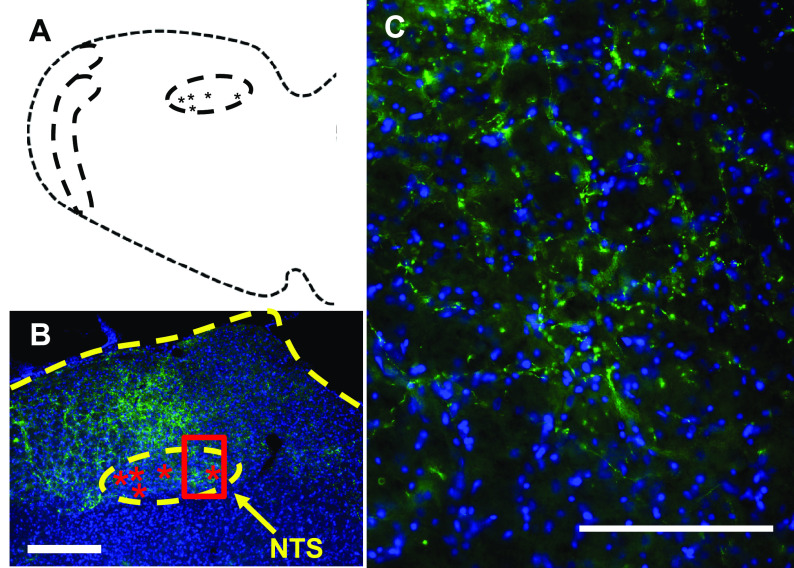
Recent work has shown that most cells in the rostral, gustatory portion of the nucleus tractus solitarius (rNTS) in awake, freely licking rats show lick-related firing. However, the relationship between taste-related and lick-related activity in rNTS remains unclear. Here, we tested whether GABA-derived inhibitory activity regulates the balance of lick- and taste-driven neuronal activity. Combinatorial viral tools were used to restrict the expression of channelrhodopsin 2-enhanced yellow fluorescent protein to GAD1+ GABAergic neurons. Viral infusions were bilateral in rNTS. A fiber-optic fiber attached to a bundle of drivable microwires was later implanted into the rNTS. After recovery, water-deprived rats were presented with taste stimuli in an experimental chamber. Trials were five consecutive taste licks [NaCl, KCl, NH4Cl, sucrose, monosodium glutamate/inosine-5'-monophosphate, citric acid, quinine, or artificial saliva (AS)] separated by five AS rinse licks on a variable ratio 5 schedule. Each taste lick triggered a 1 s train of laser light (25 Hz; 473 nm; 8-10 mW) in a random half of the trials. In all, 113 cells were recorded in the rNTS, 50 cells responded to one or more taste stimuli without GABA enhancement. Selective changes in response magnitude (spike count) within cells shifted across-unit patterns but preserved interstimulus relationships. Cells where enhanced GABAergic tone increased lick coherence conveyed more information distinguishing basic taste qualities and different salts than other cells. In addition, GABA activation significantly amplified the amount of information that discriminated palatable versus unpalatable tastants. By dynamically regulating lick coherence and remodeling the across-unit response patterns to taste, enhancing GABAergic tone in rNTS reconfigures the neural activity reflecting sensation and movement.
Keywords: GABA; brainstem; gustatory; neural coding; nucleus of the solitary tract; taste.
Copyright © 2021 the authors.
Conflict of interest statement
The authors declare no competing financial interests.
Figures
References
-
- Benjamini Y, Hochberg Y (1995) Controlling the false discovery rate: a practical and powerful approach to multiple testing. J R Stat Soc Series B Stat Methodol 57:289–300. 10.1111/j.2517-6161.1995.tb02031.x - DOI
Publication types
MeSH terms
Substances
Grants and funding
LinkOut - more resources
Full Text Sources
Research Materials
