


Interprofessional Practitioners' Opinions on Features and Services for an Augmentative and Alternative Communication Brain-Computer Interface Device
- PMID: 33236859
- PMCID: PMC10718316
- DOI: 10.1002/pmrj.12525
Interprofessional Practitioners' Opinions on Features and Services for an Augmentative and Alternative Communication Brain-Computer Interface Device
Abstract
Background: Brain-computer interface (BCI) technology is an emerging access method to augmentative and alternative communication (AAC) devices.
Objectives: To identify, in the early stages of research and development, the perceptions and considerations of interprofessional practice (IPP) team members regarding features and functions for an AAC-BCI device.
Design: Qualitative research methodology applying a grounded theory approach using focus groups with a follow-up survey of participants using NVivo analysis software supporting inductive coding of transcription data.
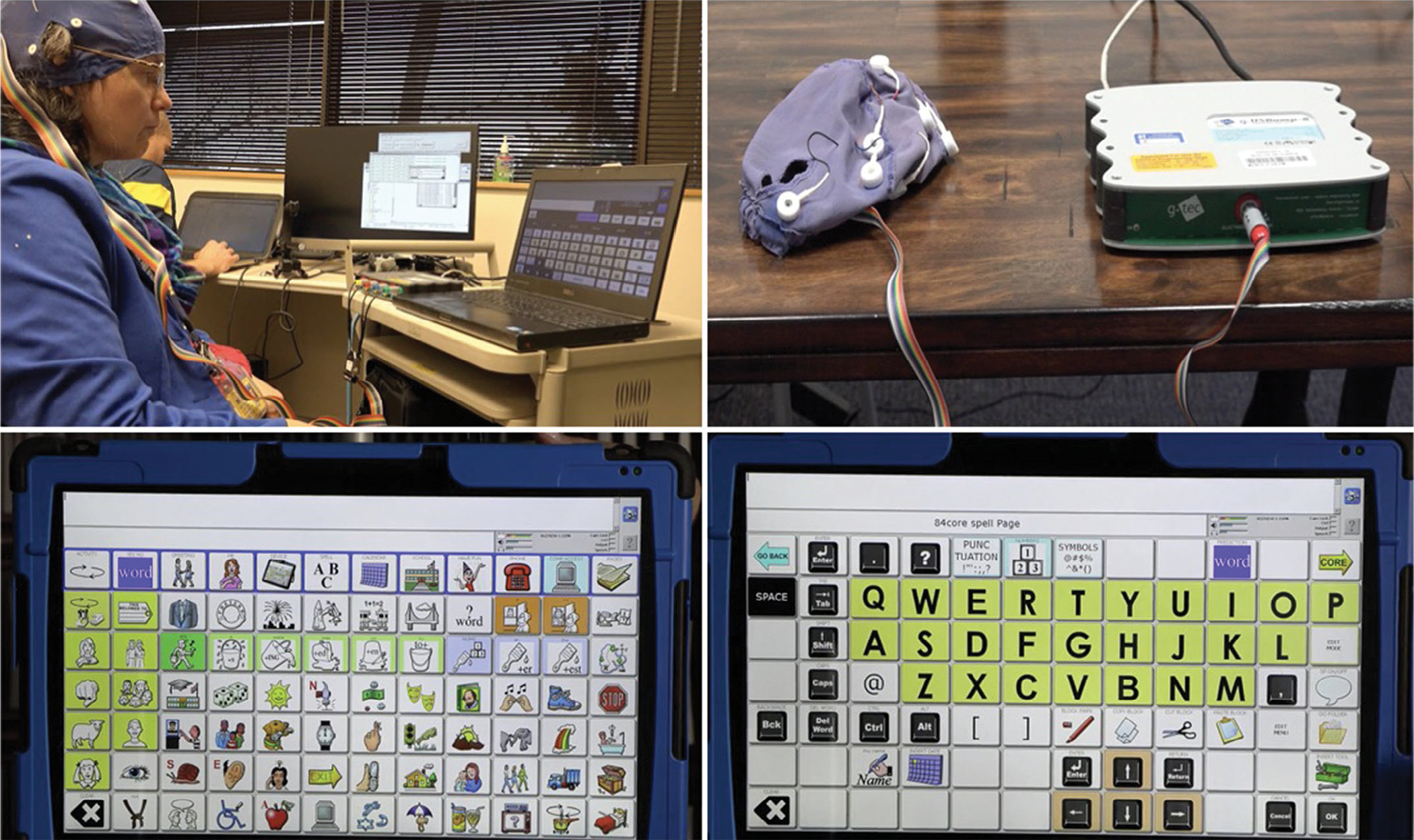
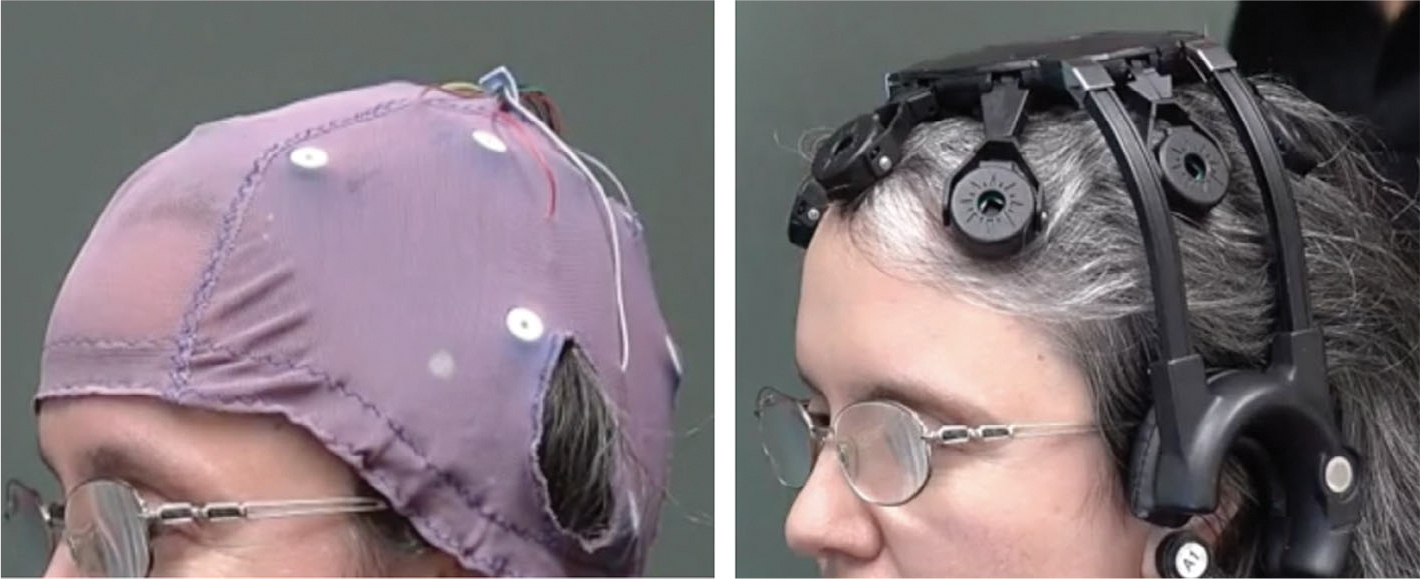
Setting: Focus groups held at university, clinic, and industry conference rooms. Discussion was stimulated by a 14-minute video on an AAC-BCI device prototype. The prototype hardware and electroencephalography (EEG) gel and dry electrode headgear were on display.
Participants: Convenience sample of practitioners providing rehabilitation or clinical services to individuals with severe communication disorders and movement impairments who use AAC and/or other assistive technology.
Interventions: Not applicable.
Main outcome measures: Descriptive statistics using thematic analysis of participants' opinions, input, and feedback on the ideal design for a noninvasive, EEG-based P300 AAC-BCI device.
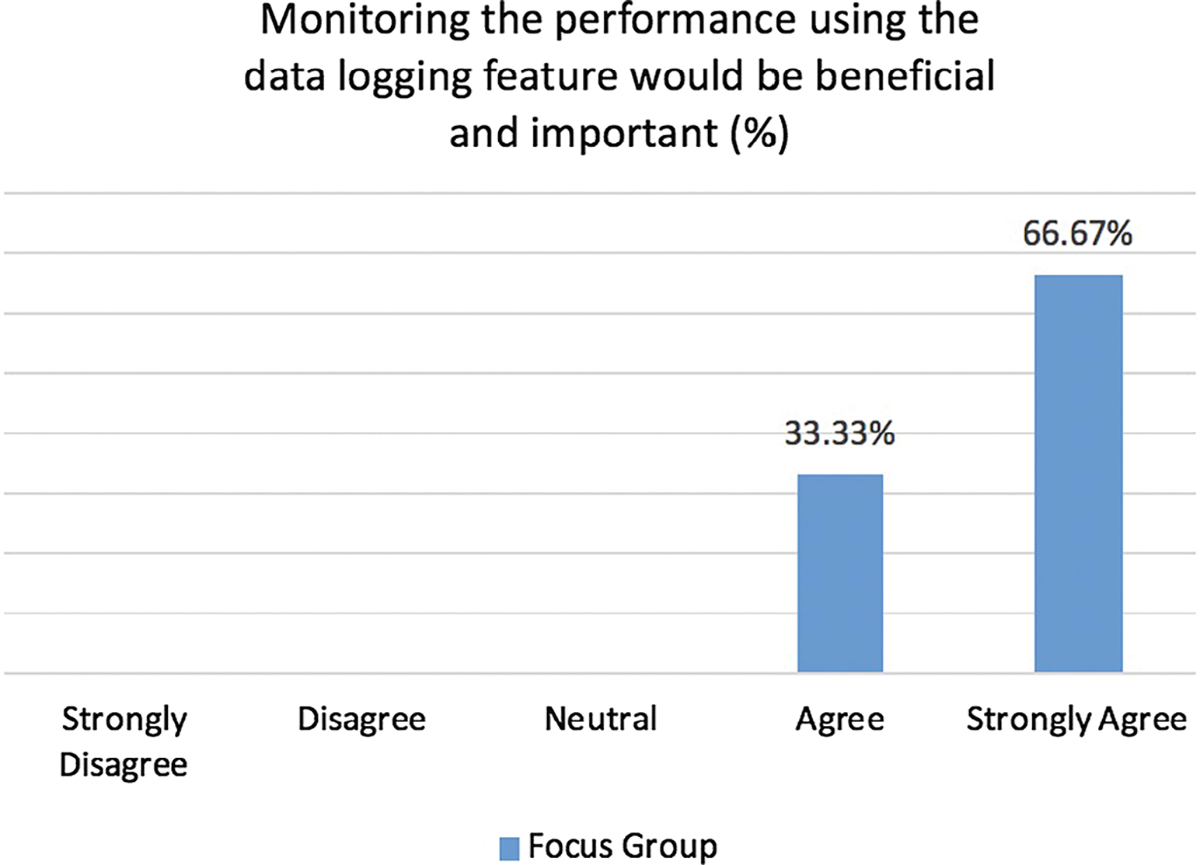
Results: Interrater and interjudge reliability were at 98% and 100%, respectively, for transcription and researcher coding. Triangulation of multiple data sources supported theme and subtheme identification that included design features, set-up and calibration, services, and effectiveness. An AAC device with BCI access was unanimously confirmed (100%) as a desirable commercial product. Participants felt that the AAC-BCI prototype appeared effective for meeting daily communication needs (75%). Results showed that participants' preference on headgear types would change based on accuracy (91%) and rate (83%) of performance. A data-logging feature was considered beneficial by 100% of participants.
Conclusions: IPP teams provided critical impressions on design, services, and features for a commercial AAC-BCI device. Expressed feature and function preferences showed dependence on communication accuracy, rate, and effectiveness. This provides vital guidance for successful clinical deployment.
© 2020 American Academy of Physical Medicine and Rehabilitation.
Figures
References
-
- Hill K Advances in augmentative and alternative communication as quality-of-life technology. Phys Med Rehabil Clin N Am. 2010;21:43–58. - PubMed
-
- Beukelman DR, Mirenda P. Augmentative and Alternative Communication: Supporting Children & Adults with Complex Communication Needs. Baltimore, MD: Brookes; 2013.
-
- Chen SK, O’Leary M. Eye gazing 101: What Speech-Language Pathologist Should Know about Selecting Eye-Gaze Augmentative and Alternative Communication Techniques. Vol 3(1), Perspectives of the ASHA Special Interest Groups; 2018:1–9. https://perspectives.pubs.asha.org/.
Publication types
MeSH terms
Grants and funding
LinkOut - more resources
Full Text Sources
Other Literature Sources
Medical
Miscellaneous
