


The Secretive Liaison of Particulate Matter and SARS-CoV-2. A Hypothesis and Theory Investigation
- PMID: 33240326
- PMCID: PMC7680895
- DOI: 10.3389/fgene.2020.579964
The Secretive Liaison of Particulate Matter and SARS-CoV-2. A Hypothesis and Theory Investigation
Abstract
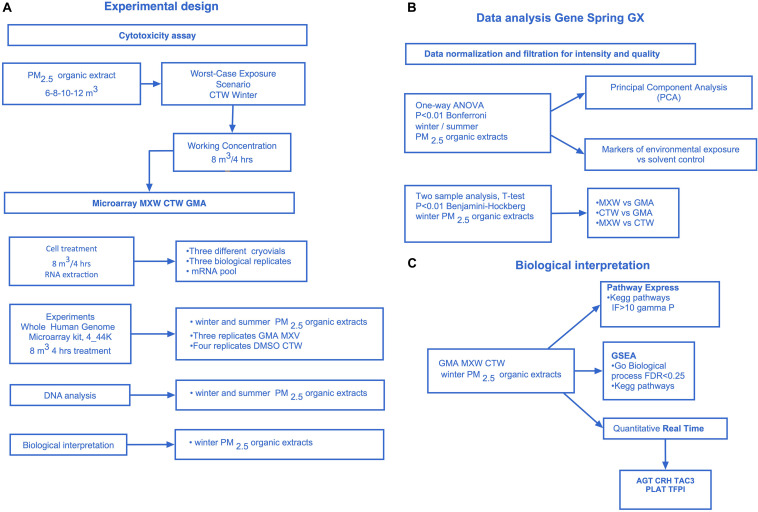
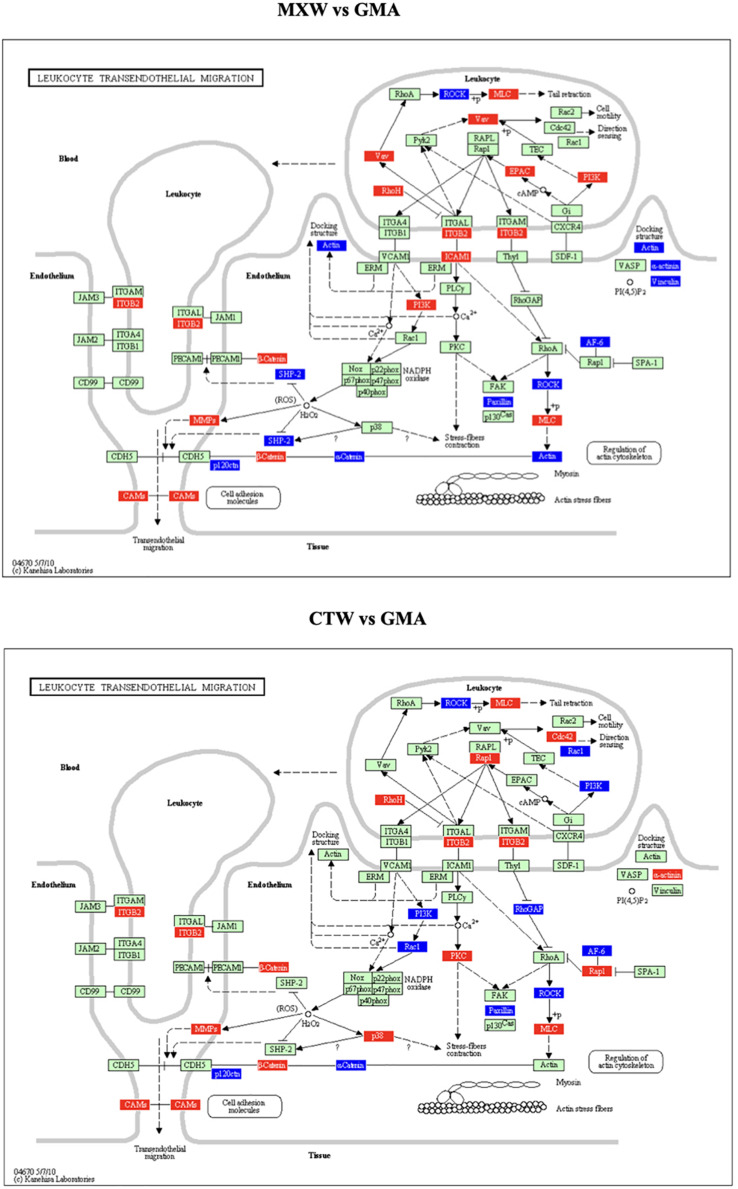
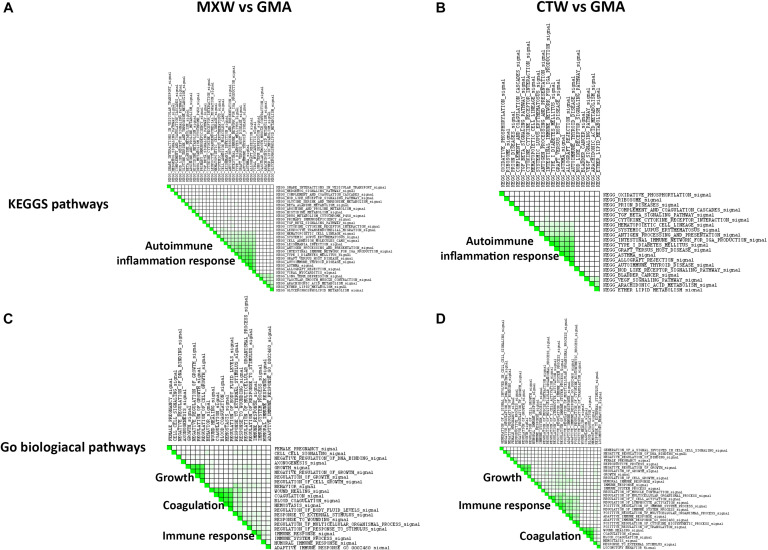
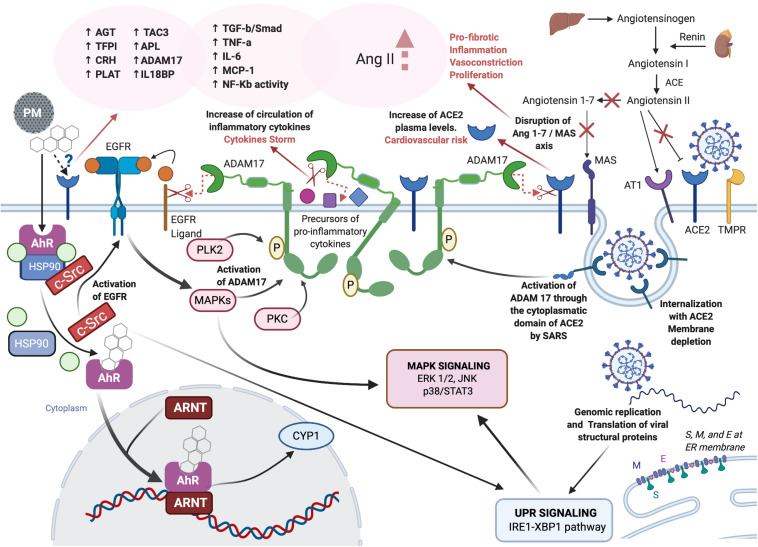
As the novel coronavirus disease sweeps across the world, there is growing speculation on the role that atmospheric factors may have played on the different distribution of SARS-CoV-2, and on the epidemiological characteristics of COVID-19. Knowing the role that environmental factors play in influenza virus outbreaks, environmental pollution and, in particular, atmospheric airborne (particulate matter, PM) has been considered as a potential key factor in the spread and mortality of COVID-19. A possible role of the PM as the virus carrier has also been debated. The role of PM in exacerbating respiratory and cardiovascular disease has been well recognized. Accumulating evidence support the hypothesis that PM can trigger inflammatory response at molecular, cellular and organ levels. On this basis, we developed the hypothesis that PM may play a role as a booster of COVID-19 rather than as a carrier of SARS-CoV-2. To support our hypothesis, we analyzed the molecular signatures detected in cells exposed to PM samples collected in one of the most affected areas by the COVID-19 outbreak, in Italy. T47D human breast adenocarcinoma cells were chosen to explore the global gene expression changes induced by the treatment with organic extracts of PM 2.5. The analysis of the KEGG's pathways showed modulation of several gene networks related to the leucocyte transendothelial migration, cytoskeleton and adhesion system. Three major biological process were identified, including coagulation, growth control and immune response. The analysis of the modulated genes gave evidence for the involvement of PM in the endothelial disease, coagulation disorders, diabetes and reproductive toxicity, supporting the hypothesis that PM, directly or through molecular interplay, affects the same molecular targets as so far known for SARS-COV-2, contributing to the cytokines storm and to the aggravation of the symptoms triggered by COVID-19. We provide evidence for a plausible cooperation of receptors and transmembrane proteins, targeted by PM and involved in COVID-19, together with new insights into the molecular interplay of chemicals and pathogens that could be of importance for sustaining public health policies and developing new therapeutic approaches.
Keywords: COVID-19; SARS-CoV-2; cytokine storm; environmental pollution; molecular mechanisms; molecular signatures; particulate matter; receptors cross-talk.
Copyright © 2020 Mescoli, Maffei, Pillo, Bortone, Marchesi, Morandi, Ranzi, Rotondo, Serra, Vaccari, Zauli Sajani, Mascolo, Jacobs and Colacci.
Figures
References
-
- Aztatzi-Aguilar O. G., Uribe-Ramírez M., Arias-Montaño J. A., Barbier O., De Vizcaya-Ruiz A. (2015). Acute and subchronic exposure to air particulate matter induces expression of angiotensin and bradykinin-related genes in the lungs and heart: angiotensin-II type-I receptor as a molecular target of particulate matter exposure. Part. Fibre Toxicol. 12:17. 10.1186/s12989-015-0094-4 - DOI - PMC - PubMed
-
- Baldini M., Bartolacci S., Bortone G., Colacci A., Di Biagio K., Di Buono V., et al. (2020). Valutazione del possibile rapporto tra l’inquinamento atmosferico e la diffusione del SARS-CoV-2 - E&P repository. Epidemiol. Prev. [Epub ahead of print].
LinkOut - more resources
Full Text Sources
Research Materials
Miscellaneous
