


Predictors of immunization coverage among 12-23 month old children in Ethiopia: systematic review and meta-analysis
- PMID: 33243208
- PMCID: PMC7689978
- DOI: 10.1186/s12889-020-09890-0
Predictors of immunization coverage among 12-23 month old children in Ethiopia: systematic review and meta-analysis
Abstract
Background: Immunization is one of modern medicine's greatest achievements in the last three decades. Annually it can prevent nearly 2 to 3 million deaths. Understanding the determinants of effective immunization coverage is a critical undertaking. Accordingly, we set out to check the best available evidence of outstanding predictors of immunization coverage among children aged 12-23 months in Ethiopia.
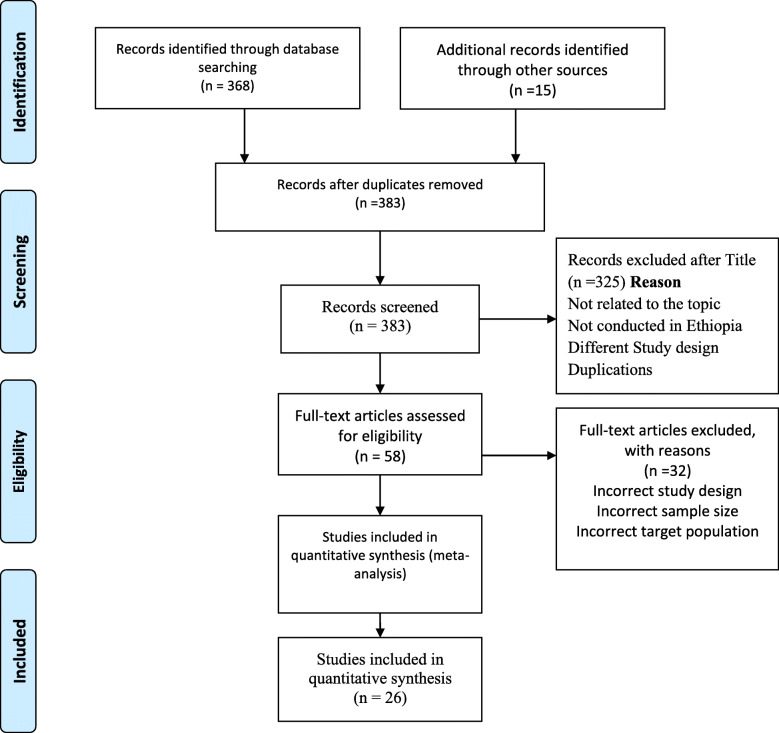
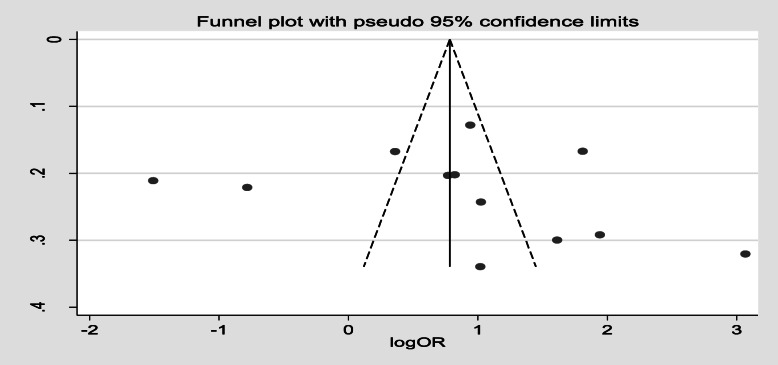
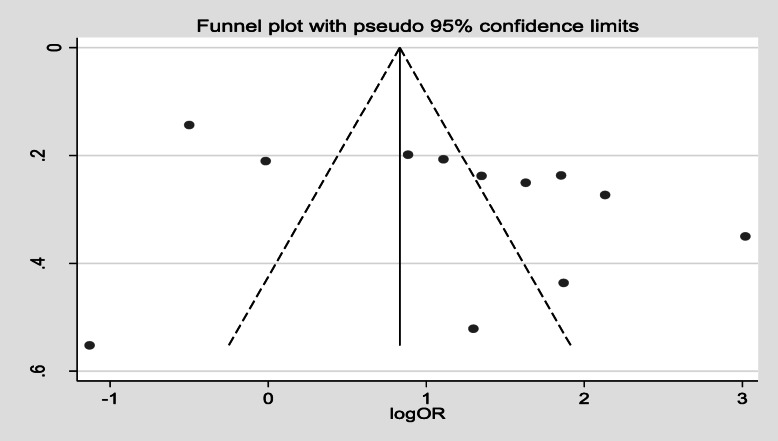
Method: Electronic databases including PubMed, Google Scholar, HINARI, and SCOPUS, Web of Science, African Journals Online, Ethiopian Medical Journals were searched. The search process, study selection, critical appraisal, and data extraction were done independently by two reviewers using Joanna Briggs Institute Meta-analysis for Review Instrument (JBI-MAStARI). The difference between reviewers was resolved with a third person. The risk of bias was assessed by the Newcastle Ottawa Tool for observational studies. Data were extracted using the Microsoft Excel checklist and exported to STATA 13. Heterogeneity was assessed using I2, Funnel plot and Egger's test was used to check for publication bias.
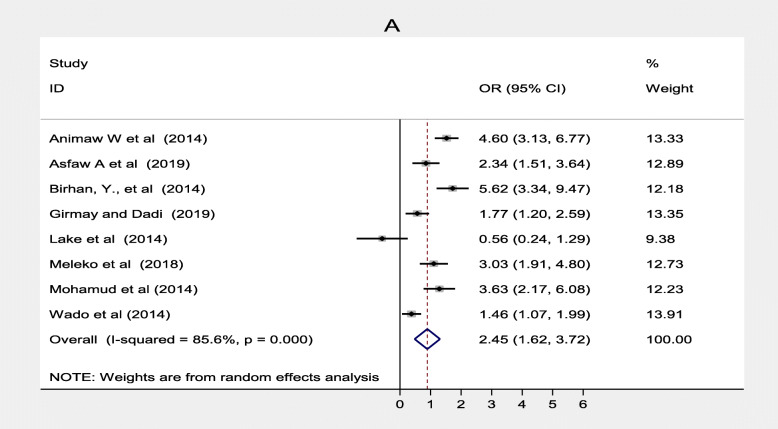
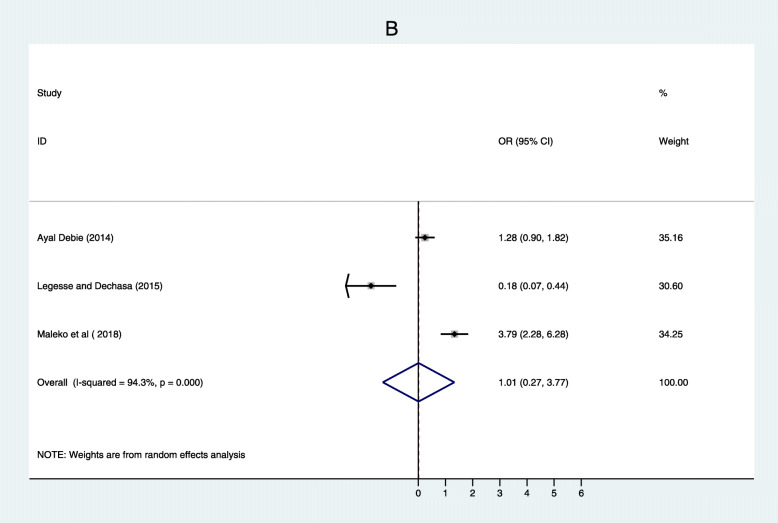
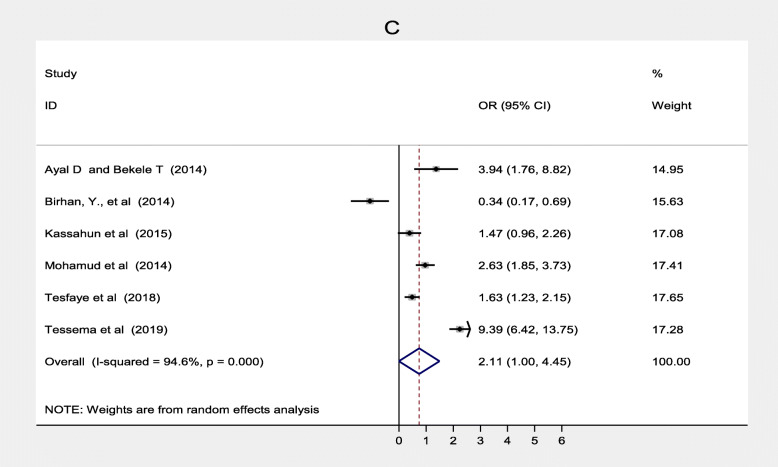
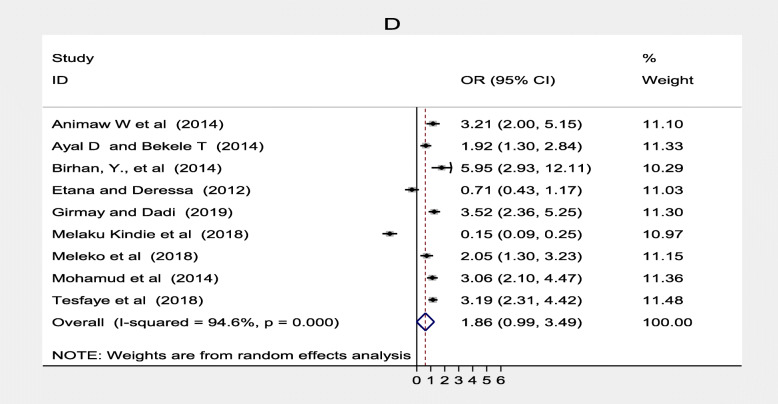
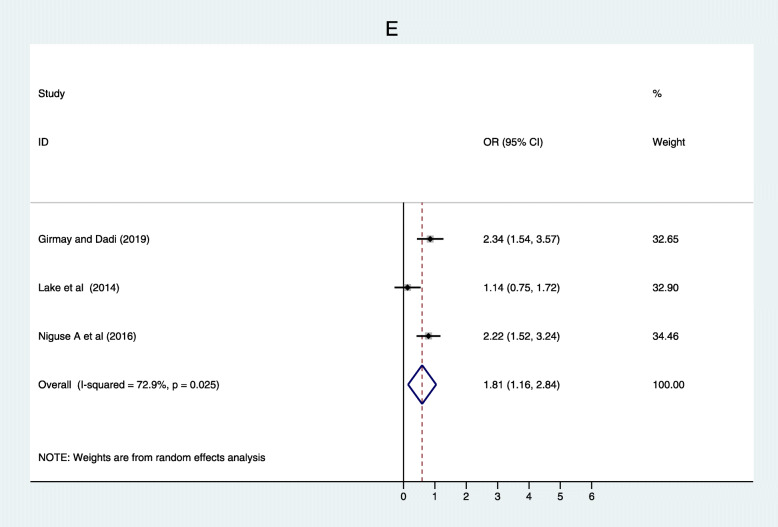
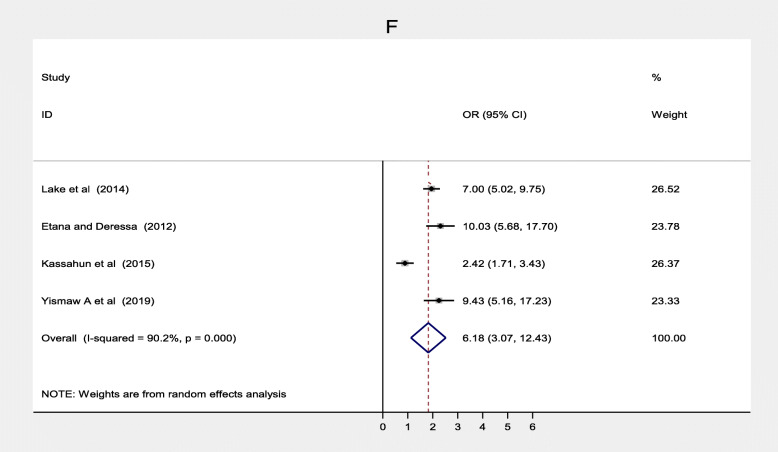
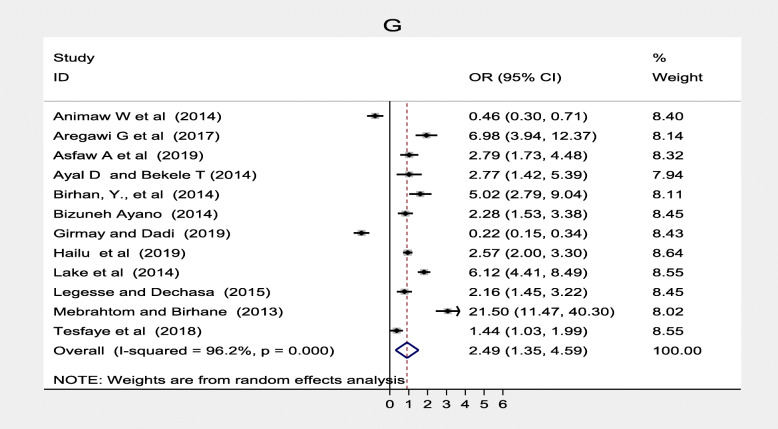
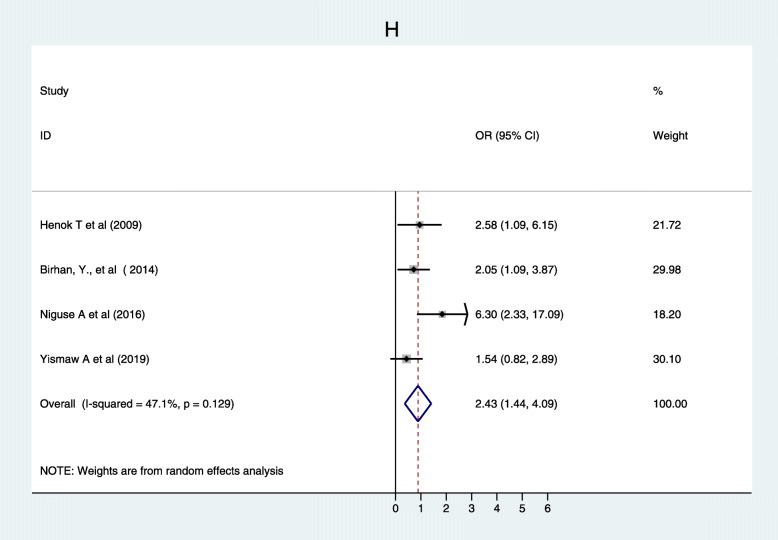
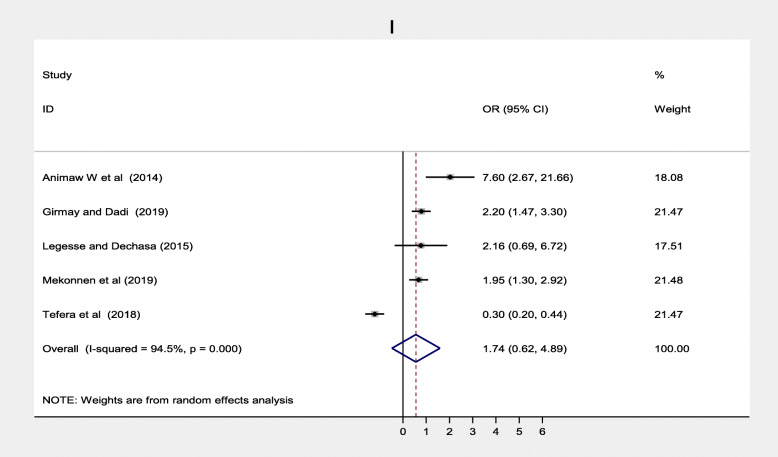
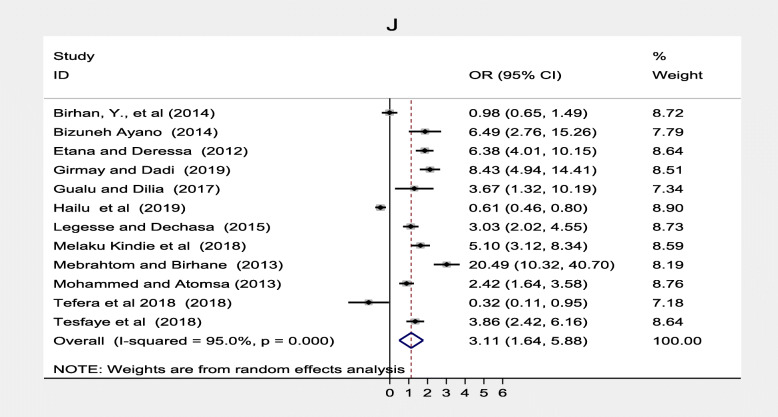
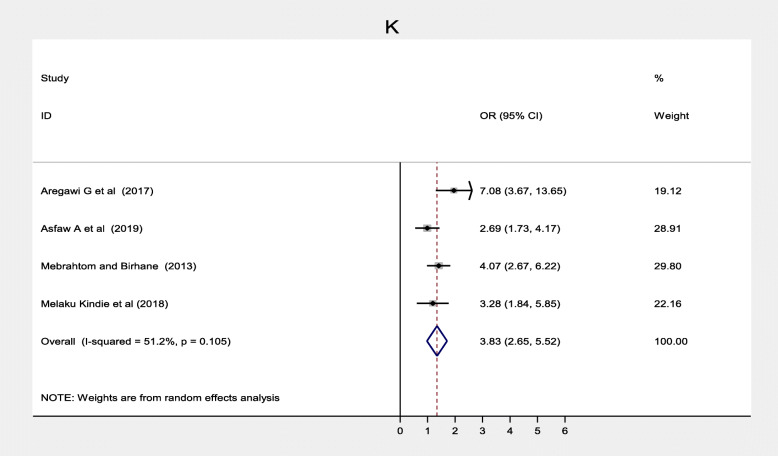
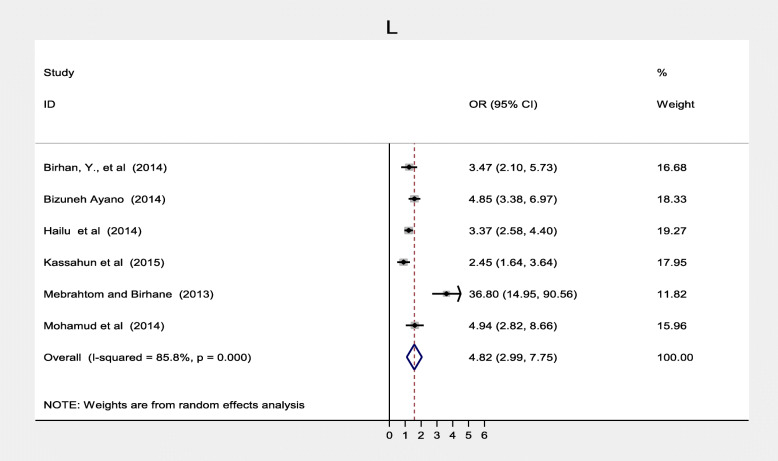
Results: We identified 26 studies with 15,042 children with mothers/caretakers to assess factors associated with immunization coverage and significant factors were: maternal formal education, (OR = 2.45; 95% CI: 1.62-3.72), paternal formal education, (OR = 1.01; 95% CI: 0.27-3.77), residence, (OR = 2.11; 95% CI: 1.00-4.45), birth at health facility (OR = 1.86; 95% CI: 0.99-3.49), family size less than four, (OR = 1.81; 95% CI: 1.16-2.84), knowledge on age of immunization to be completed (OR = 6.18;95% CI: 3.07-12.43), knowledge on immunization schedule (OR = 2.49; 95% CI: 1.35-4.59), time to travel to health faculties, (OR = 1.74; 95% CI: 0.62-4.89), antennal care, (OR = 3.11; 95% CI: 1.64-5.88), and tetanus toxoid vaccination, (OR = 4.82; 95% CI: 2.99-7.75).
Conclusion: Our findings showed that literacy, residence, awareness, family size, maternal health services use, and proximity of the health facilities were factors associated with full immunization. This implies that there is a need for primary health service expansion and health education to "hard to reach areas" to improve immunization coverage for children aged 12-23 months.
Keywords: Ethiopia; Meta-analysis; Predictors of immunization coverage; Systematic review.
Conflict of interest statement
The author declares there was no competing of interest.
Figures
References
-
- Organization, W.H Challenges in global immunization and the global immunization vision and strategy 2006-2015. Wkly Epidemiol Rec. 2006;81(19):190–195. - PubMed
-
- Organization, W.H . Expanded programme on Immunization (EPI) factsheet 2019: Indonesia. 2019.
-
- Bank TW. Estimates Developed by the UN Inter-agency Group for Child Mortality Estimation ( UNICEF, WHO, World Bank, UN DESA Population Division ) 2019.
Publication types
MeSH terms
LinkOut - more resources
Full Text Sources
