


IGF1-PI3K-induced physiological cardiac hypertrophy: Implications for new heart failure therapies, biomarkers, and predicting cardiotoxicity
- PMID: 33246162
- PMCID: PMC8724616
- DOI: 10.1016/j.jshs.2020.11.009
IGF1-PI3K-induced physiological cardiac hypertrophy: Implications for new heart failure therapies, biomarkers, and predicting cardiotoxicity
Abstract
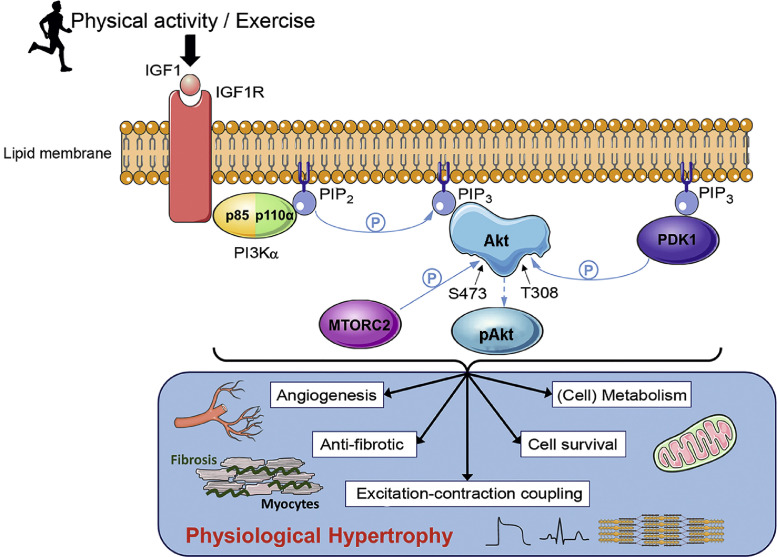
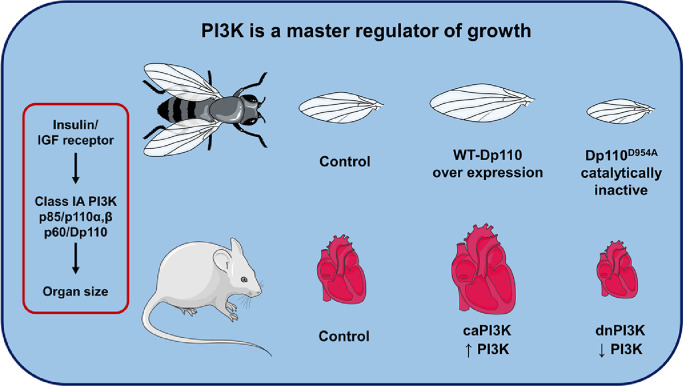
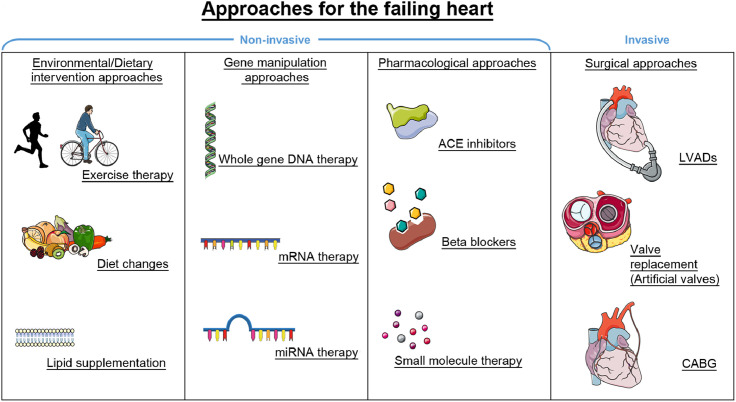
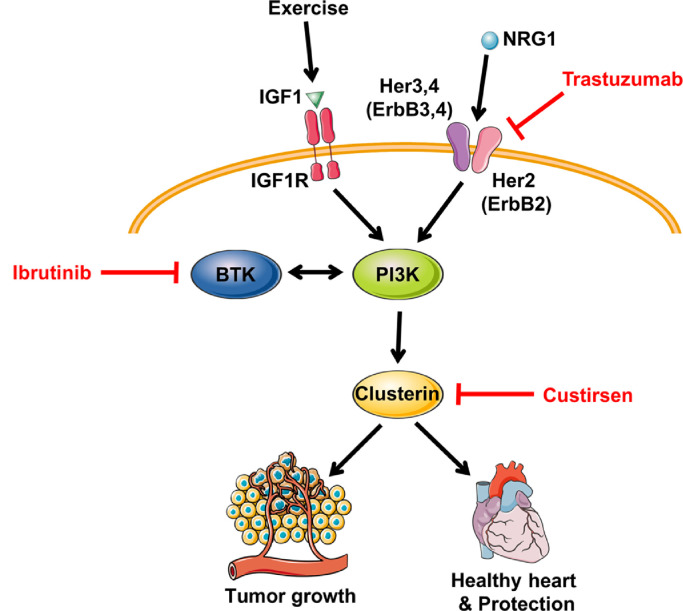
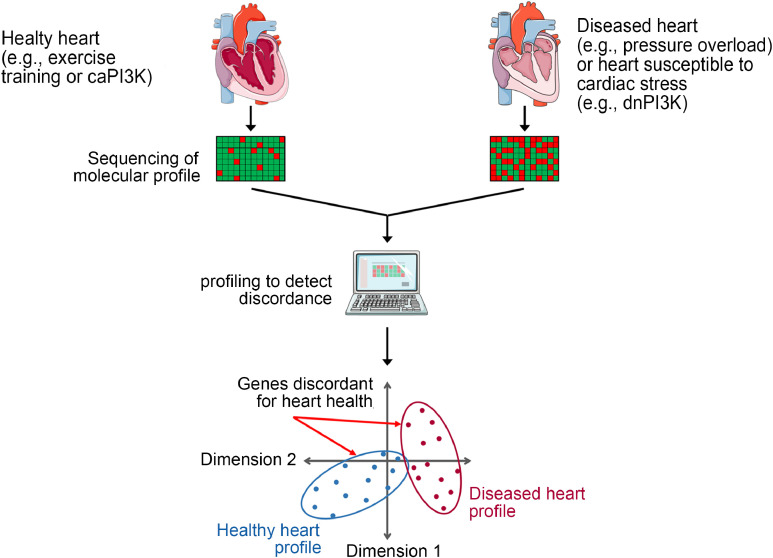
Heart failure represents the end point of a variety of cardiovascular diseases. It is a growing health burden and a leading cause of death worldwide. To date, limited treatment options exist for the treatment of heart failure, but exercise has been well-established as one of the few safe and effective interventions, leading to improved outcomes in patients. However, a lack of patient adherence remains a significant barrier in the implementation of exercise-based therapy for the treatment of heart failure. The insulin-like growth factor 1 (IGF1)-phosphoinositide 3-kinase (PI3K) pathway has been recognized as perhaps the most critical pathway for mediating exercised-induced heart growth and protection. Here, we discuss how modulating activity of the IGF1-PI3K pathway may be a valuable approach for the development of therapies that mimic the protective effects of exercise on the heart. We outline some of the promising approaches being investigated that utilize PI3K-based therapy for the treatment of heart failure. We discuss the implications for cardiac pathology and cardiotoxicity that arise in a setting of reduced PI3K activity. Finally, we discuss the use of animal models of cardiac health and disease, and genetic mice with increased or decreased cardiac PI3K activity for the discovery of novel drug targets and biomarkers of cardiovascular disease.
Keywords: Cardiac protection; Cardiotoxicity; Exercise; Heart failure; IGF1; PI3K; Therapies.
Copyright © 2021. Production and hosting by Elsevier B.V.
Conflict of interest statement
Competing interests The authors declare that they have no competing interests.
Figures
References
-
- Bernardo BC, Ooi JYY, Weeks KL, Patterson NL, McMullen JR. Understanding key mechanisms of exercise-induced cardiac protection to mitigate disease: Current knowledge and emerging concepts. Physiol Rev. 2018;98:419–475. - PubMed
-
- Myers J. Cardiology patient pages. Exercise and cardiovascular health. Circulation. 2003;107:e2–e5. - PubMed
-
- Gielen S, Laughlin MH, O'Conner C, Duncker DJ. Exercise training in patients with heart disease: Review of beneficial effects and clinical recommendations. Prog Cardiovasc Dis. 2015;57:347–355. - PubMed
-
- Reddy KS. Global Burden of Disease Study 2015 provides GPS for global health 2030. The Lancet. 2016;388:1448–1449. - PubMed
-
- Virani SS, Alonso A, Benjamin EJ, et al. Heart disease and stroke statistics-2020 update: A report from the American Heart Association. Circulation. 2020;141:e139–e596. - PubMed
Publication types
MeSH terms
Substances
LinkOut - more resources
Full Text Sources
Medical
Miscellaneous
