


A high-protein total diet replacement increases energy expenditure and leads to negative fat balance in healthy, normal-weight adults
- PMID: 33247306
- PMCID: PMC7851826
- DOI: 10.1093/ajcn/nqaa283
A high-protein total diet replacement increases energy expenditure and leads to negative fat balance in healthy, normal-weight adults
Erratum in
-
Corrigendum to: A high-protein total diet replacement increases energy expenditure and leads to negative fat balance in healthy, normal-weight adults. Am J Clin Nutr 2021;113:476-487.Am J Clin Nutr. 2021 Feb 2;113(2):488-489. doi: 10.1093/ajcn/nqaa391. Am J Clin Nutr. 2021. PMID: 33527982 Free PMC article. No abstract available.
Abstract
Background: High-protein diets and total diet replacements are becoming increasingly popular for weight loss; however, further research is needed to elucidate their impact on the mechanisms involved in weight regulation.
Objective: The aim of this inpatient metabolic balance study was to compare the impact of a high-protein total diet replacement (HP-TDR) versus a control diet (CON) on select components of energy metabolism in healthy adults of both sexes.
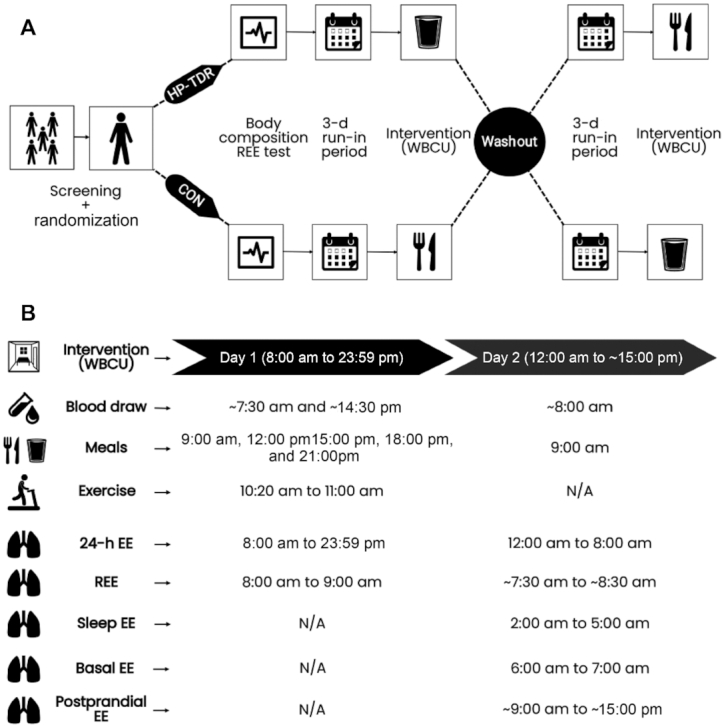
Methods: The acute intervention was a randomized, controlled, crossover design with participants allocated to 2 isocaloric arms: 1) HP-TDR: 35% carbohydrate, 40% protein, and 25% fat achieved through a nutritional supplement; 2) CON: 55% carbohydrate, 15% protein, and 30% fat. Participants received the prescribed diets for 32 h while inside a whole-body calorimetry unit (WBCU). The first dietary intervention randomly offered in the WBCU was designed to maintain energy balance and the second matched what was offered during the first stay. Energy expenditure, macronutrient oxidation rates and balances, and metabolic blood markers were assessed. Body composition was measured at baseline using DXA.
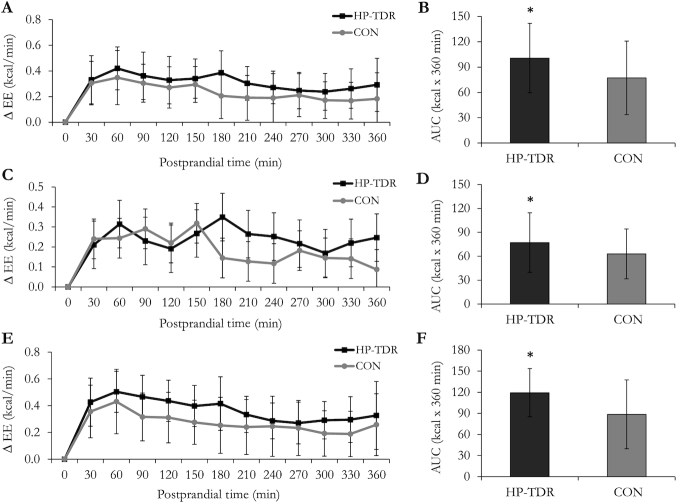
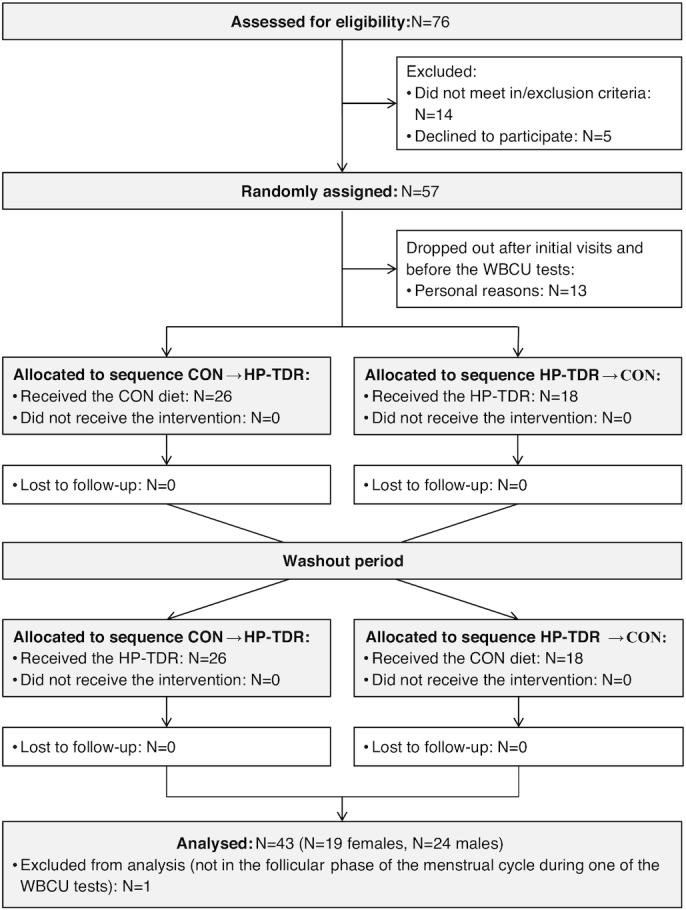
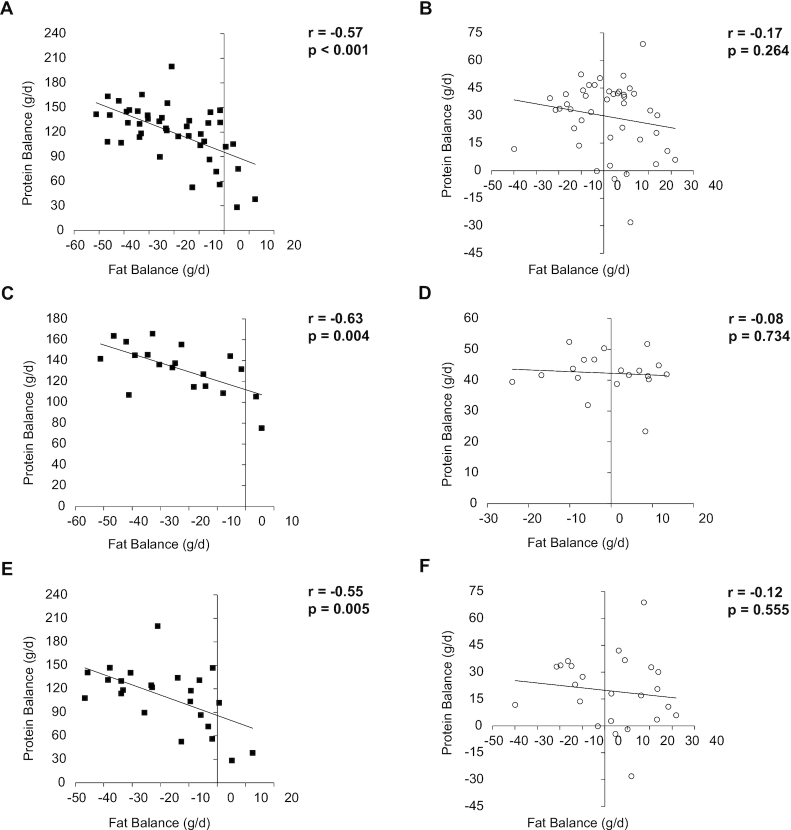
Results: Forty-three healthy, normal-weight adults (19 females and 24 males) were included. Compared with the CON diet, the HP-TDR produced higher total energy expenditure [(EE) 81 ± 82 kcal/d, P <0.001], protein and fat oxidation rates (38 ± 34 g/d, P <0.001; 8 ± 20 g/d, P = 0.013, respectively), and a lower carbohydrate oxidation rate (-38 ± 43 g/d, P <0.001). Moreover, a HP-TDR led to decreased energy (-112 ± 85 kcal/d; P <0.001), fat (-22 ± 20 g/d; P <0.001), and carbohydrate balances (-69 ± 44 g/d; P <0.001), and increased protein balance (90 ± 32 g/d; P <0.001).
Conclusions: Our primary findings were that a HP-TDR led to higher total EE, increased fat oxidation, and negative fat balance. These results suggest that a HP-TDR may promote fat loss compared with a conventional isocaloric diet. These trials were registered at clinicaltrials.gov as NCT02811276 and NCT03565510.
Keywords: adults; energy metabolism; metabolic biomarkers; protein; total diet replacement.
Copyright © The Author(s) on behalf of the American Society for Nutrition 2020.
Figures
References
-
- Chooi YC, Ding C, Magkos F. The epidemiology of obesity. Metabolism. 2019;92:6–10. - PubMed
-
- McCombie L, Brosnahan N, Ross H, Bell-Higgs A, Govan L, Lean MEJ. Filling the intervention gap: service evaluation of an intensive nonsurgical weight management programme for severe and complex obesity. J Hum Nutr Diet. 2019;32(3):329–37. - PubMed
-
- Lean ME, Leslie WS, Barnes AC, Brosnahan N, Thom G, McCombie L, Peters C, Zhyzhneuskaya S, Al-Mrabeh A, Hollingsworth KGet al. . Primary care-led weight management for remission of type 2 diabetes (DiRECT): an open-label, cluster-randomised trial. Lancet North Am Ed. 2018;391(10120):541–51. - PubMed
Publication types
MeSH terms
Substances
Associated data
LinkOut - more resources
Full Text Sources
Medical
Research Materials
Miscellaneous
