


Oxidative stress and diabetic retinopathy: Molecular mechanisms, pathogenetic role and therapeutic implications
- PMID: 33248932
- PMCID: PMC7767789
- DOI: 10.1016/j.redox.2020.101799
Oxidative stress and diabetic retinopathy: Molecular mechanisms, pathogenetic role and therapeutic implications
Abstract
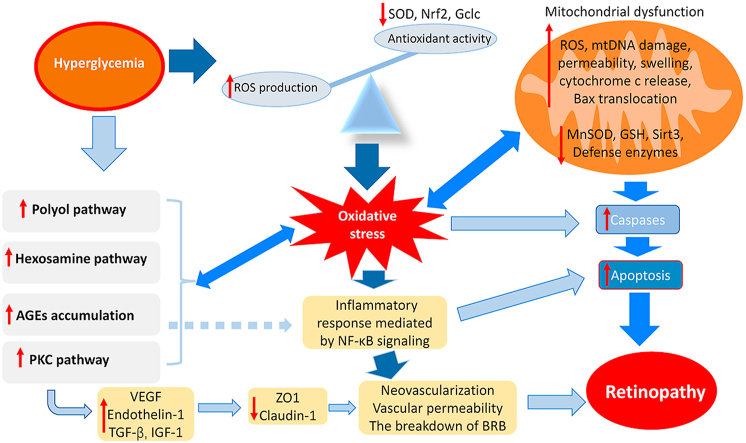
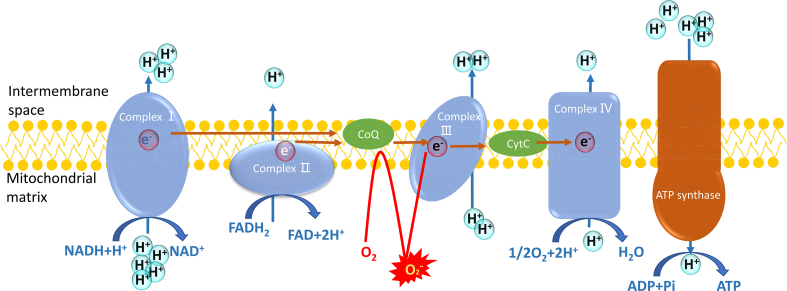
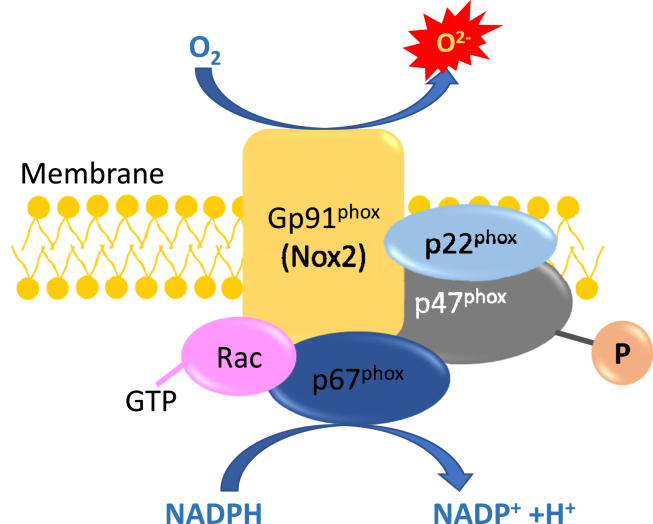
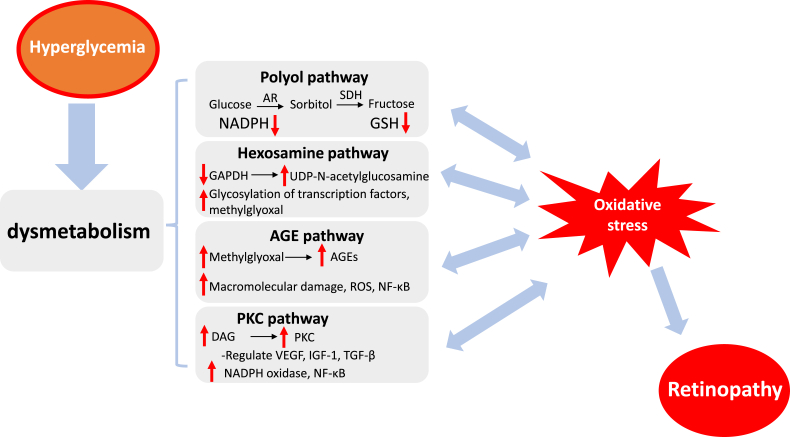
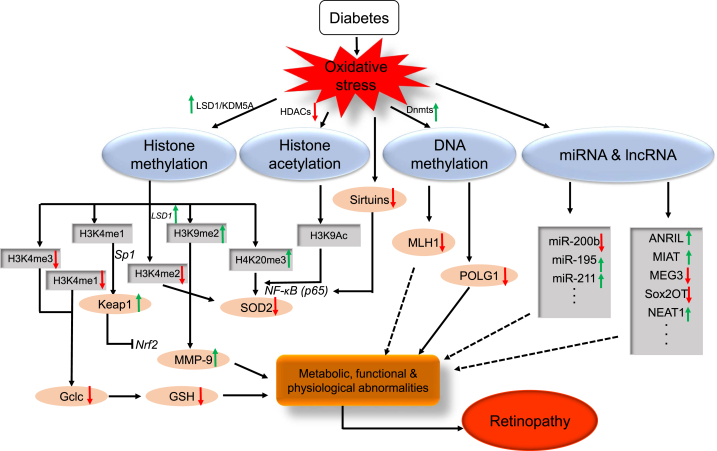
Oxidative stress, a cytopathic outcome of excessive generation of ROS and the repression of antioxidant defense system for ROS elimination, is involved in the pathogenesis of multiple diseases, including diabetes and its complications. Retinopathy, a microvascular complication of diabetes, is the primary cause of acquired blindness in diabetic patients. Oxidative stress has been verified as one critical contributor to the pathogenesis of diabetic retinopathy. Oxidative stress can both contribute to and result from the metabolic abnormalities induced by hyperglycemia, mainly including the increased flux of the polyol pathway and hexosamine pathway, the hyper-activation of protein kinase C (PKC) isoforms, and the accumulation of advanced glycation end products (AGEs). Moreover, the repression of the antioxidant defense system by hyperglycemia-mediated epigenetic modification also leads to the imbalance between the scavenging and production of ROS. Excessive accumulation of ROS induces mitochondrial damage, cellular apoptosis, inflammation, lipid peroxidation, and structural and functional alterations in retina. Therefore, it is important to understand and elucidate the oxidative stress-related mechanisms underlying the progress of diabetic retinopathy. In addition, the abnormalities correlated with oxidative stress provide multiple potential therapeutic targets to develop safe and effective treatments for diabetic retinopathy. Here, we also summarized the main antioxidant therapeutic strategies to control this disease.
Keywords: Antioxidant therapeutics; Diabetic retinopathy; Dysmetabolism; Epigenetic modification; Oxidative stress; Reactive oxygen species.
Copyright © 2020 The Authors. Published by Elsevier B.V. All rights reserved.
Conflict of interest statement
The authors declare that there is no conflict of interest.
Figures
References
-
- Poprac P., Jomova K., Simunkova M., Kollar V., Rhodes C.J., Valko M. Targeting free radicals in oxidative stress-related human diseases. Trends Pharmacol. Sci. 2017;38:592–607. - PubMed
-
- Prasad S., Gupta S.C., Tyagi A.K. Reactive oxygen species (ROS) and cancer: role of antioxidative nutraceuticals. Canc. Lett. 2017;387:95–105. - PubMed
-
- Halliwell B. Free radicals and antioxidants - quo vadis? Trends Pharmacol. Sci. 2011;32:125–130. - PubMed
-
- Catala A. Lipid peroxidation of membrane phospholipids in the vertebrate retina. Front Biosci (Schol Ed) 2011;3:52–60. - PubMed
Publication types
MeSH terms
Substances
LinkOut - more resources
Full Text Sources
Other Literature Sources
Medical
