


Supervised Machine Learning Models for Prediction of COVID-19 Infection using Epidemiology Dataset
- PMID: 33263111
- PMCID: PMC7694891
- DOI: 10.1007/s42979-020-00394-7
Supervised Machine Learning Models for Prediction of COVID-19 Infection using Epidemiology Dataset
Abstract
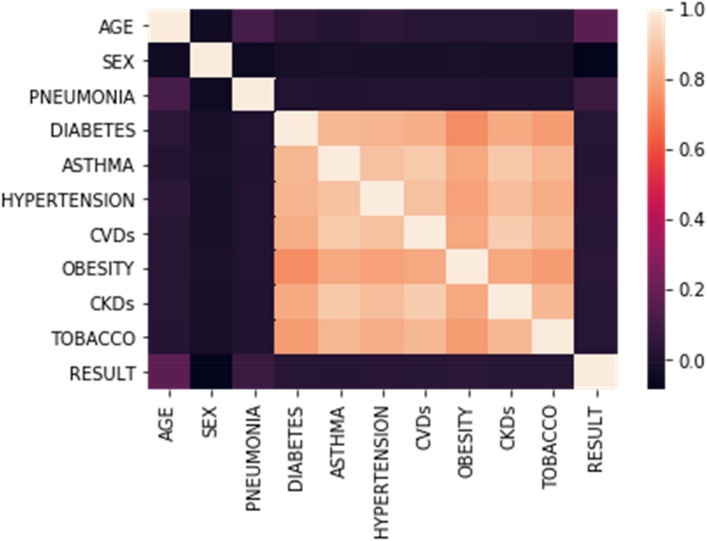
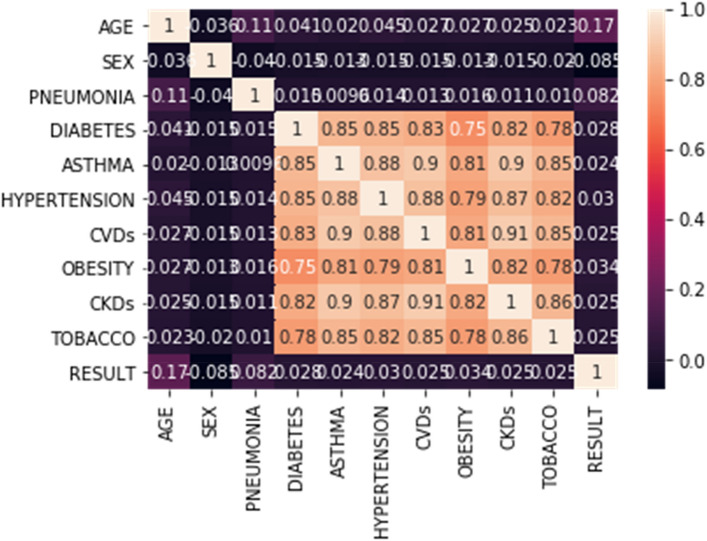
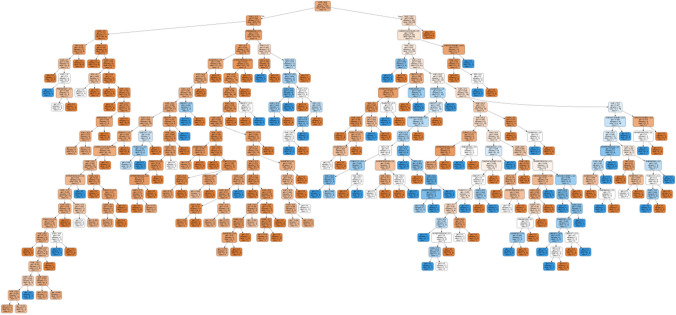
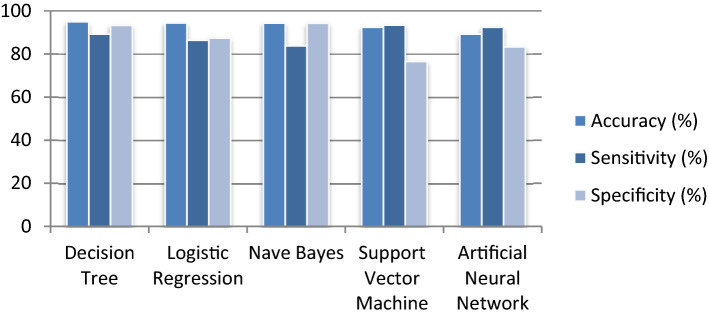
COVID-19 or 2019-nCoV is no longer pandemic but rather endemic, with more than 651,247 people around world having lost their lives after contracting the disease. Currently, there is no specific treatment or cure for COVID-19, and thus living with the disease and its symptoms is inevitable. This reality has placed a massive burden on limited healthcare systems worldwide especially in the developing nations. Although neither an effective, clinically proven antiviral agents' strategy nor an approved vaccine exist to eradicate the COVID-19 pandemic, there are alternatives that may reduce the huge burden on not only limited healthcare systems but also the economic sector; the most promising include harnessing non-clinical techniques such as machine learning, data mining, deep learning and other artificial intelligence. These alternatives would facilitate diagnosis and prognosis for 2019-nCoV pandemic patients. Supervised machine learning models for COVID-19 infection were developed in this work with learning algorithms which include logistic regression, decision tree, support vector machine, naive Bayes, and artificial neutral network using epidemiology labeled dataset for positive and negative COVID-19 cases of Mexico. The correlation coefficient analysis between various dependent and independent features was carried out to determine a strength relationship between each dependent feature and independent feature of the dataset prior to developing the models. The 80% of the training dataset were used for training the models while the remaining 20% were used for testing the models. The result of the performance evaluation of the models showed that decision tree model has the highest accuracy of 94.99% while the Support Vector Machine Model has the highest sensitivity of 93.34% and Naïve Bayes Model has the highest specificity of 94.30%.
Keywords: COVID-19; Dataset; Decision tree; Machine learning; Pandemic.
© Springer Nature Singapore Pte Ltd 2020.
Conflict of interest statement
Conflict of interestAuthors have declared that no conflict of interest exists.
Figures
References
-
- Adrien PG, Yunpeng G, Gregory M, et al. A comparison of supervised machine learning algorithms for mosquito identification from backscattered optical signals. Ecol Inform. 2020;58:101090. doi: 10.1016/j.ecoinf.2020.101090. - DOI
-
- Ahmad IS, Bakar AA, Yaakub MR, et al. A survey on machine learning techniques in movie revenue prediction. SN Comput Sci. 2020;1:235. doi: 10.1007/s42979-020-00249-1. - DOI
LinkOut - more resources
Full Text Sources