Review
. 2021 Mar;31(3):197-210.
doi: 10.1016/j.tcb.2020.11.003. Epub 2020 Dec 1.

Fukutin-Related Protein: From Pathology to Treatments

Affiliations
Review

Fukutin-Related Protein: From Pathology to Treatments

Carolina Ortiz-Cordero et al. Trends Cell Biol. 2021 Mar.

Abstract

Fukutin-related protein (FKRP) is a glycosyltransferase involved in the functional glycosylation of α-dystroglycan (DG), a key component in the link between the cytoskeleton and the extracellular matrix (ECM). Mutations in FKRP lead to dystroglycanopathies with broad severity, including limb-girdle and congenital muscular dystrophy. Studies over the past 5 years have elucidated the function of FKRP, which has expanded the number of therapeutic opportunities for patients carrying FKRP mutations. These include small molecules, gene delivery, and cell therapy. Here we summarize recent findings on the function of FKRP and describe available models for studying diseases and testing therapeutics. Lastly, we highlight preclinical studies that hold potential for the treatment of FKRP-associated dystroglycanopathies.

Keywords: congenital muscular dystrophy; dystroglycanopathy; glycosylation; limb-girdle; muscular dystrophy; α-dystroglycan.


Figures

Figure 1:
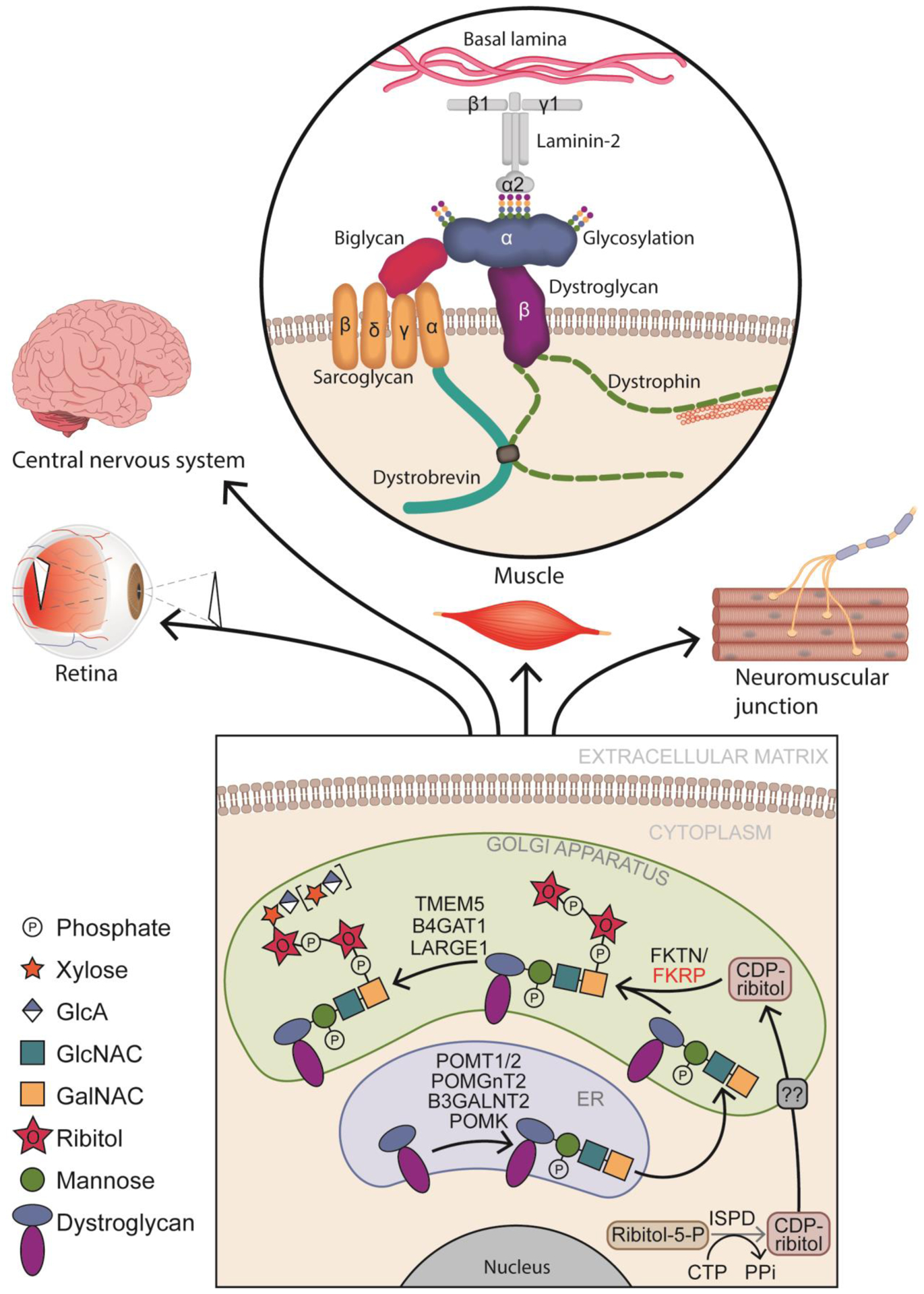
Figure 1:. Core M3 α-DG glycosylation process and ECM binding.
In the endoplasmic reticulum (ER), the glycosylation process begins when protein O-mannosyl transferase 1/2 (POMT1/2) complex catalyzes the addition of a mannose group to serine/threonine residues on α-dystroglycan (DG). Subsequently N-acetylglucosaminyltransferase 2 (POMGNT2) and β1,3-N-acetylgalactosaminyltransferase 2 (B3GALNT2) attach sequentially a N-acetylglucosamine (GlcNAc) and a N-acetylgalactosamine (GalNAc). Protein-O-mannose kinase (POMK) phosphorylates mannose. Once in the golgi apparatus, fukutin (FKTN) and fukutin related protein (FKRP) will use cytidine 5-diphosphate (CDP)-ribitol produced by isoprenoid synthase domain-containing protein (ISPD), to transfer tandem ribitol-5-phosphate onto the 3-GalNAc-β3-GlcNAc-β4-(6-P)-Man-O-(Ser/Thr) modification on α-DG. Afterwards, transmembrane protein 5 (TMEM5) and b-1,4-glucuronyltransferase 1 (B4GAT1) add a β1,2-Xylose (Xyl) and a β1,4 glucuronic acid (GlcA) allowing like-acetylglucosaminyltransferase 1 (LARGE1) to add α1,3-Xyl-β1,3-GlcA repeats. Glycosylated α-DG will bind to laminin α−2 in the muscle sarcolemma, as well as to other components of the extracellular matrix (ECM) in the retina, the central nervous system and at the neuromuscular junction.
Figure 2:
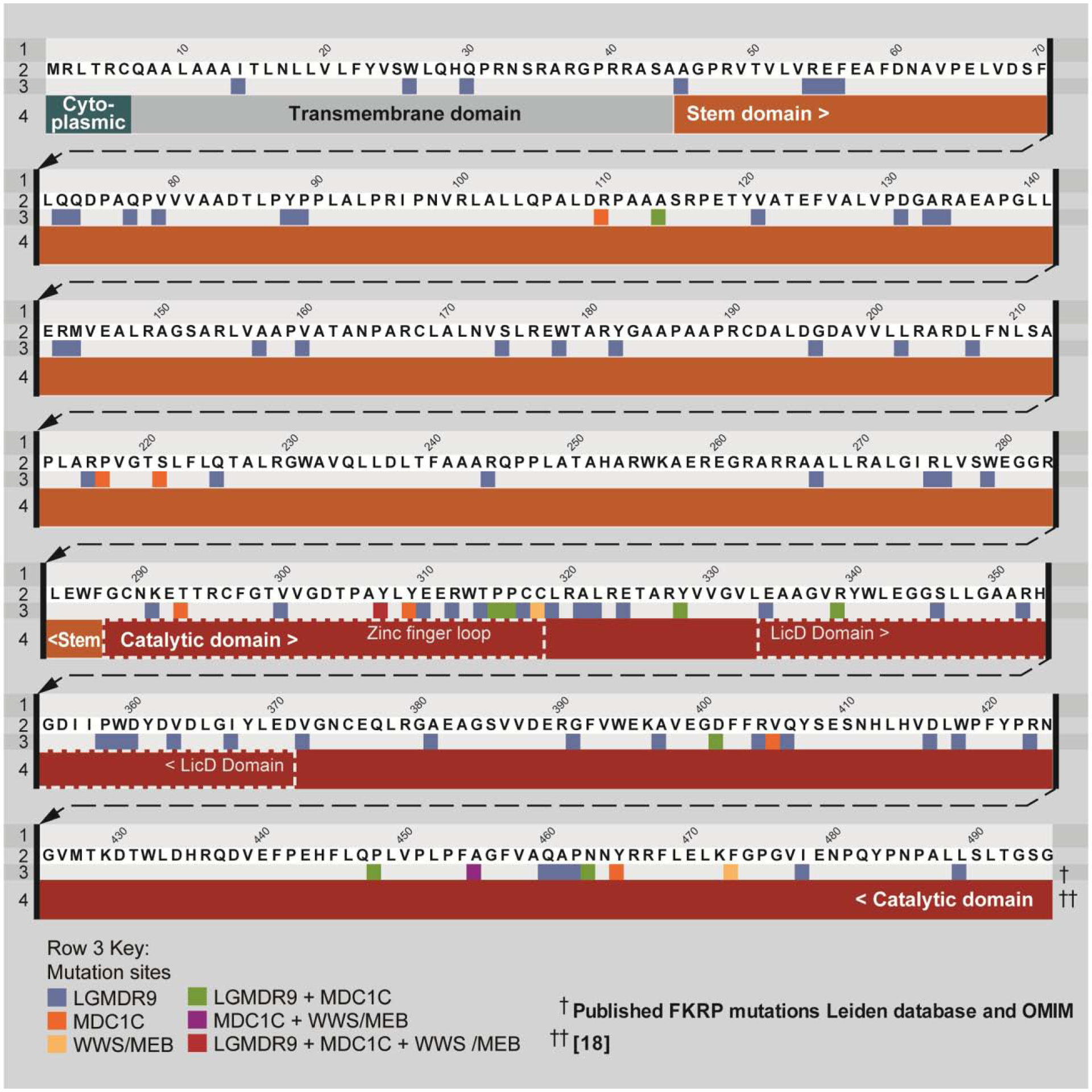
Figure 2:. FKRP mutations associated with dystroglycanopathies.
Linear representation of fukutin related protein (FKRP) protein and different unique pathological amino acid variants associated with misssense or framseshift mutations as described in the Leiden database. FKRP-related limb-girdle muscular dystrophy (LGMDR9) only in blue, FKRP-related congenital muscular dystrophy (MDC1C) in orange, Walker-Warburg Syndrome (WWS)/muscle eye brain disease (MEB) in yellow. Green shows mutations associated with LGMDR9 and MDC1C, purple mutations associated with MDC1C and WWS/MEB and the red residues are associated with LGMDR9, MDC1C and WWS/MEB.
Figure 3:
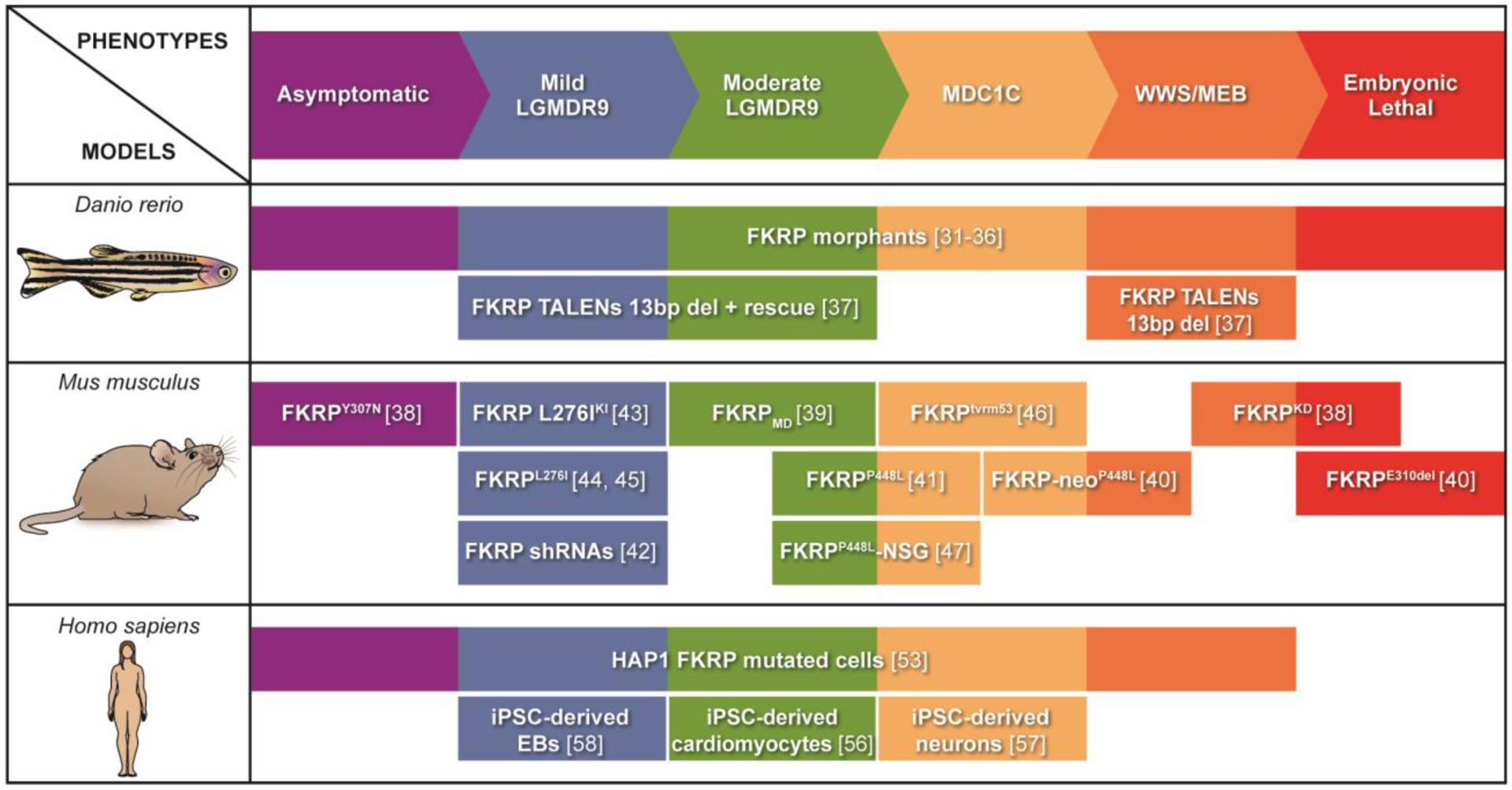
Figure 3:. Available in vitro and in vivo models to study FKRP mutations.
Biological models of fukutin related protein (FKRP)-associated dystroglycanopathies have been developed using zebrafish (danio rerio), mouse (mus musculus), and human cells (homo sapiens). Several zebrafish and mouse FKRP models recapitulate the large spectrum of diseases. The recent use of patient-specific induced pluripotent stem cells (iPSCs) to recapitulate in vitro disease phenotype allowed for the generation of LGMDR9 iPSC-derived EBs and cardiomyocytes, as well as MDC1 iPSC-derived-neurons.
Figure 4:
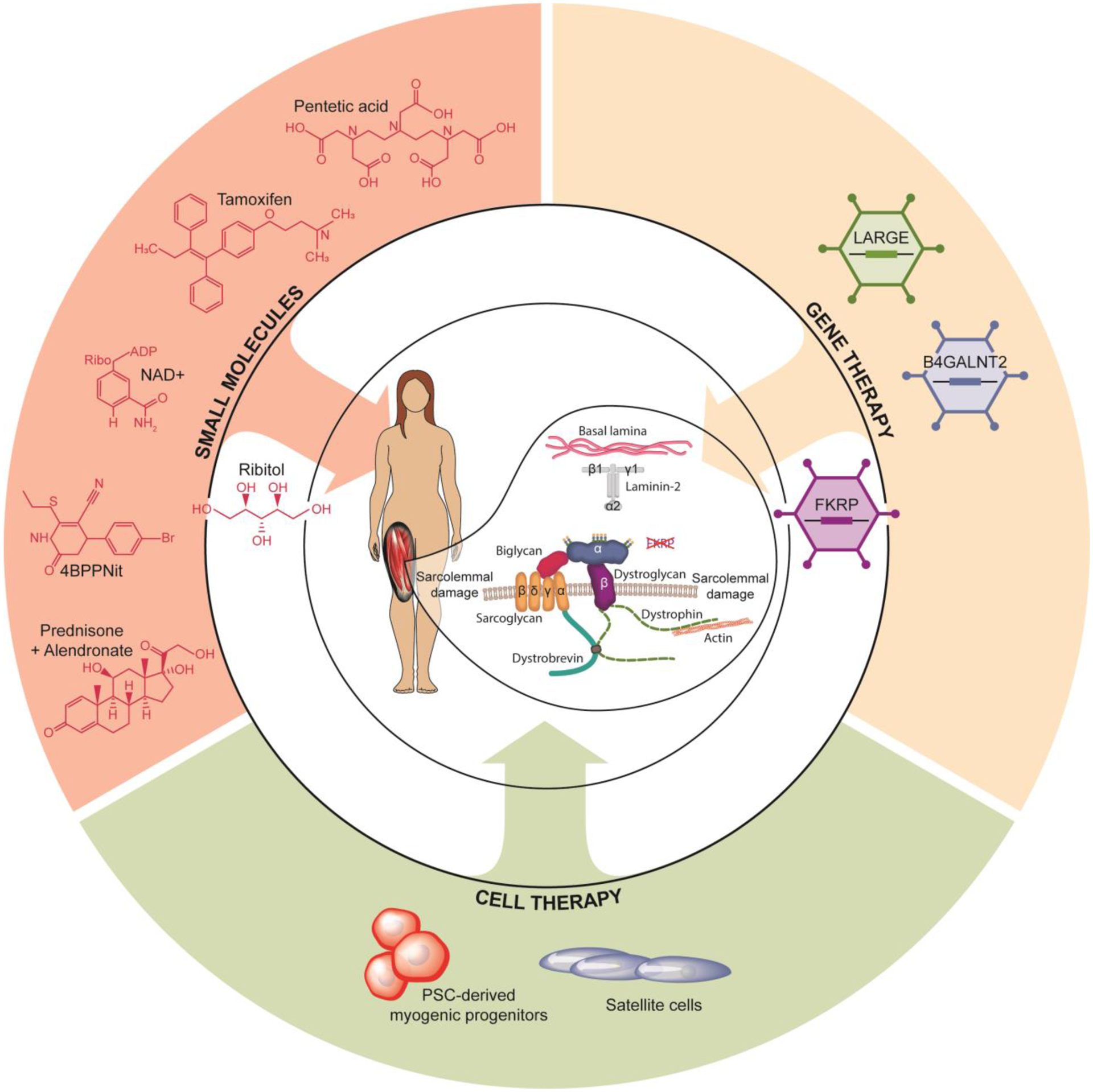
Figure 4:. Potential treatments for FKRP-associated dystroglycanopathies.
Preclinical studies aiming to develop treatments for fukutin related protein (FKRP)-related disorders include small molecules, gene and cell therapy. Small molecules, like ribitol, nicotinamide adenine dinucleotide (NAD+), 4-(4-bromophenyl)-6-ethylsulfanyl-2-oxo-3,4-dihydro-1H-pyridine-5-carbonitrile (4BBNit), pentetic acid, prednisolone combine with alendronate and the use of tamoxifen have shown the ability to improve disease phenotype. Gene therapy studies with FKRP, like-acetylglucosaminyltransferase (LARGE1) and Beta-1,4 N-acetylgalactosaminyltransferase 2 (B4GALNT2) have shown promising results. Cell therapy studies using engineered satellite cells and the tranplantation of pluripotent stem cell (PSC)-derived myogenic progenitors have also susccesfully rescued the FKRP pathology.

References

    1. Martin PT (2005) The Dystroglycanopathies: The New Disorders of O-Linked Glycosylation. Seminars in Pediatric Neurology 12 (3), 152–158. - PMC - PubMed
    1. Ervasti JM and Campbell KP (1993) A role for the dystrophin-glycoprotein complex as a transmembrane linker between laminin and actin. The Journal of Cell Biology 122 (4), 809–823. - PMC - PubMed
    1. Ibraghimov-Beskrovnaya O et al. (1992) Primary structure of dystrophin-associated glycoproteins linking dystrophin to the extracellular matrix. Nature 355, 696–702. - PubMed
    1. Sheikh MO et al. (2017) Recent advancements in understanding mammalian O-mannosylation. Glycobiology 27 (9), 806–819. - PMC - PubMed
    1. Brockington M et al. (2001) Mutations in the Fukutin-Related Protein Gene (FKRP) Cause a Form of Congenital Muscular Dystrophy with Secondary Laminin a2 Deficiency and Abnormal Glycosylation of a-Dystroglycan. Am J Hum Genet 69, 1198–1209. - PMC - PubMed

Publication types

MeSH terms