


Comprehensive molecular profiling broadens treatment options for breast cancer patients
- PMID: 33274848
- PMCID: PMC7877356
- DOI: 10.1002/cam4.3619
Comprehensive molecular profiling broadens treatment options for breast cancer patients
Abstract
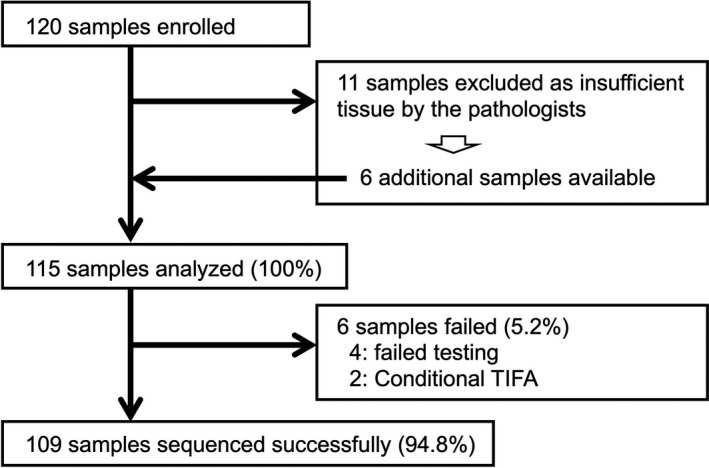
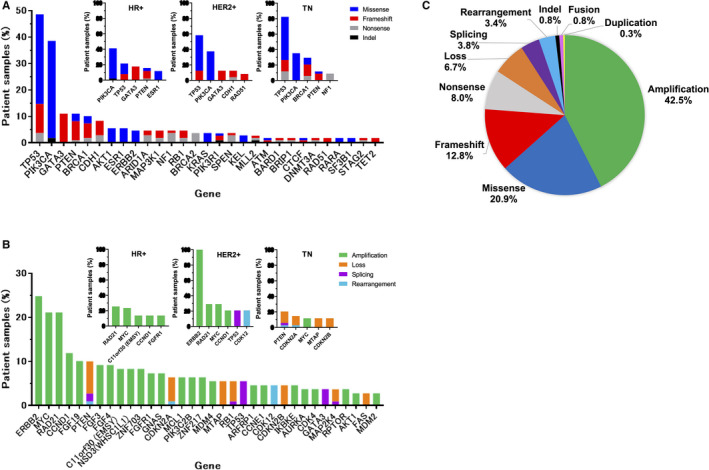
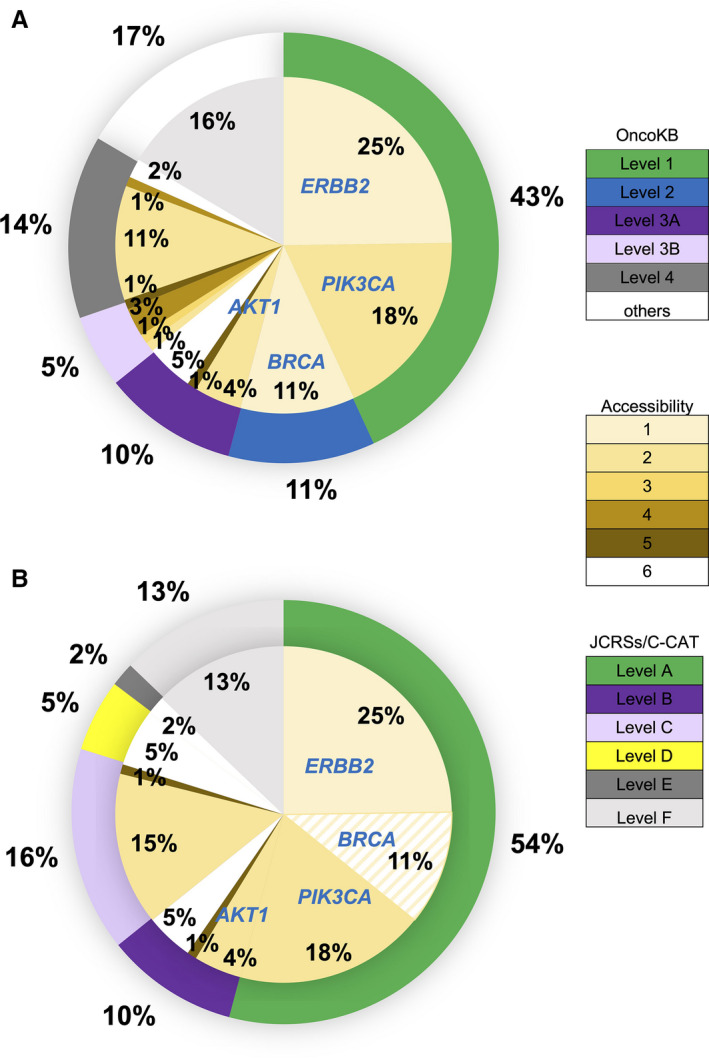
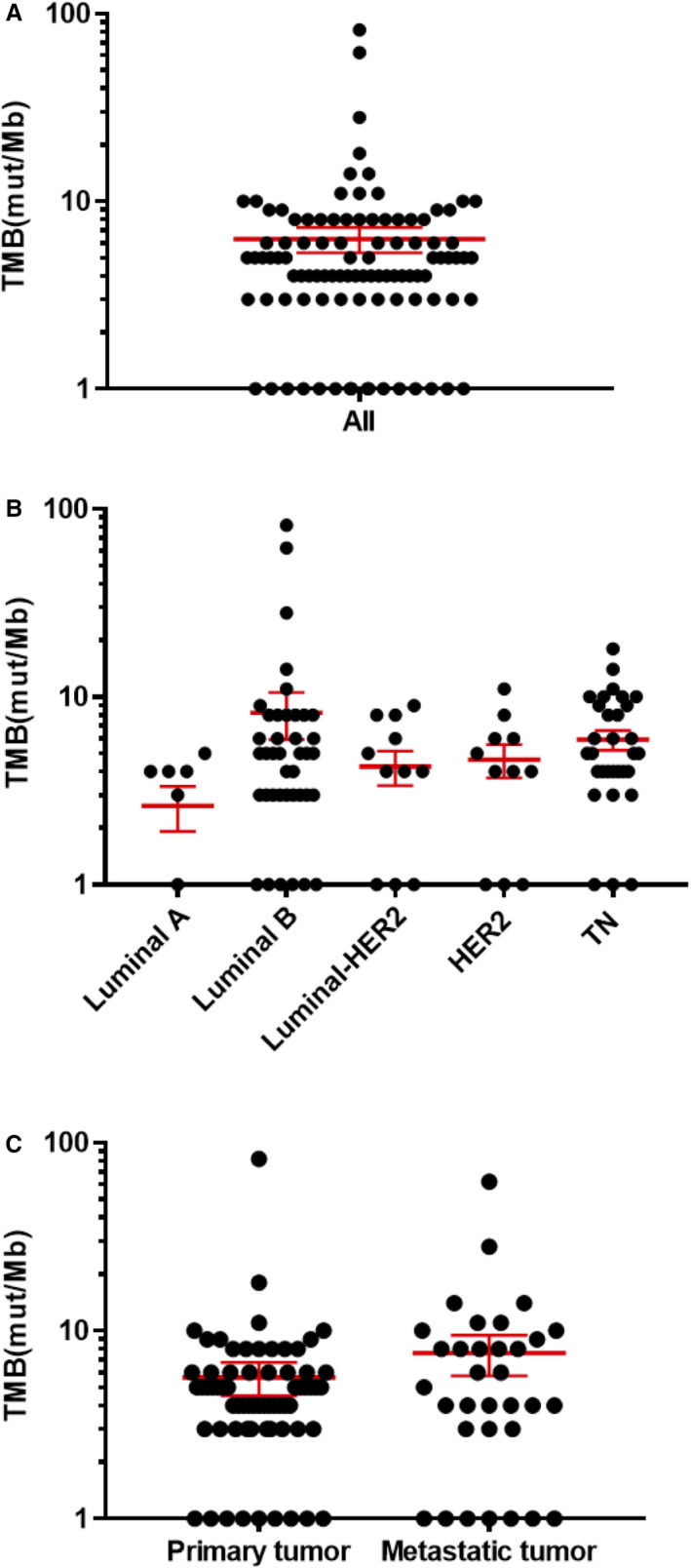
Precision oncology with next generation sequencing (NGS) using tumor tissue with or without blood has begun in Japan. Tumor molecular profiling tests are available, including the OncoGuide™ NCC Oncopanel System and FoundationOne® CDx (F1CDx). Our purpose was to identify potentially actionable genetic alterations in breast cancer with this comprehensive tumor profiling test. We enrolled 115 patients with pathologically diagnosed advanced or metastatic breast cancer. Comprehensive tumor genomic profiling, microsatellite instability, and tumor mutational burden (TMB) were determined using F1CDx. Testing was successful in 109/115 cases (94.8%). Clinically actionable alterations were identified in 76% of advanced breast cancer patients. The most frequent short variants were in TP53 (48.6%), PIK3CA (38.5%), GATA3 (11.0%), PTEN (11.0%), and BRCA1 (10.1%), and structural variants were in ERBB2 (24.8%), MYC (21.1%), RAD21 (21.1%), CCND1 (11.9%), FGF19 (10.1%), and PTEN (10.1%). Regarding human epidermal growth factor receptor (HER)2 status, 106/109 samples (97.2%) were concordant between F1CDx and HER2 testing with immunohistochemistry/fluorescence in situ hybridization. However, ERBB2 amplification was newly detected in four samples and ERBB2 mutations were detected in five HER2-negative breast cancer samples. Oncogenic BRCA mutations were found in three samples with F1CDx among 27 germline testing-negative samples. The mean TMB in all samples was 6.28 mut/Mb and tended to be higher in luminal B and triple-negative breast cancer (mean = 8.1 and 5.9 mut/Mb, respectively) compared with other subtypes. In conclusion, we established a system for precision oncology and obtained preliminary data with NGS as the first step. The information in this clinical sequencing panel will help guide the development of new treatments for breast cancer patients.
Keywords: ERBB2; breast cancer; next generation sequencing; precision oncology; tumor mutational burden.
© 2020 The Authors. Cancer Medicine published by John Wiley & Sons Ltd.
Conflict of interest statement
MK has received honoraria as a speaker or in a consultant/advisory role from Chugai Pharmaceutical Co. (Tokyo, Japan). EB has received honoraria and a research grant from Chugai Pharmaceutical Co. The other authors declare no conflicts of interest.
Figures
References
Publication types
MeSH terms
Substances
LinkOut - more resources
Full Text Sources
Medical
Research Materials
Miscellaneous
