


Trends in the prevalence and disability-adjusted life years of eating disorders from 1990 to 2017: results from the Global Burden of Disease Study 2017
- PMID: 33283690
- PMCID: PMC7737181
- DOI: 10.1017/S2045796020001055
Trends in the prevalence and disability-adjusted life years of eating disorders from 1990 to 2017: results from the Global Burden of Disease Study 2017
Abstract
Aim: Eating disorders have increasingly become a public health concern globally. This study aimed to reveal the burden of eating disorders at the global, regional and national levels using the Global Burden of Disease (GBD) Study 2017 data.
Methods: We extracted the age-standardised rates (ASRs) of prevalence and disability-adjusted life years (DALYs) and their 95% uncertainty intervals (UIs) of eating disorders, including anorexia nervosa and bulimia nervosa, between 1990 and 2017 from the GBD 2017 data. The estimated annual percentage changes (EAPCs) were calculated to quantify the secular trends of the burden of eating disorders.
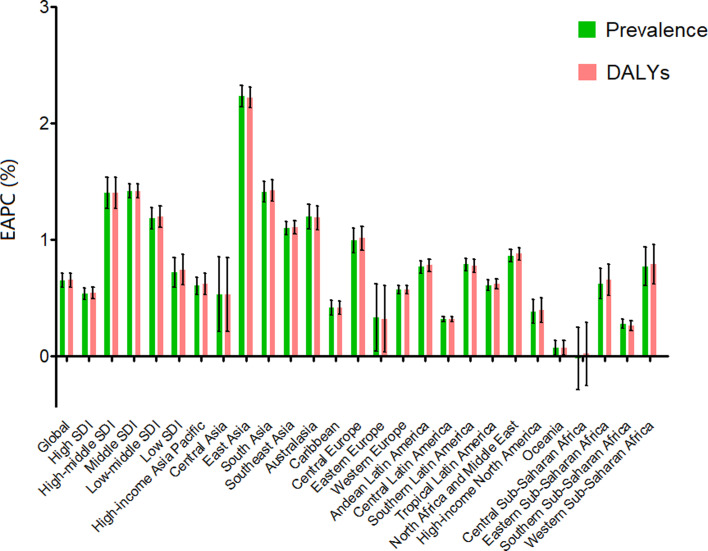
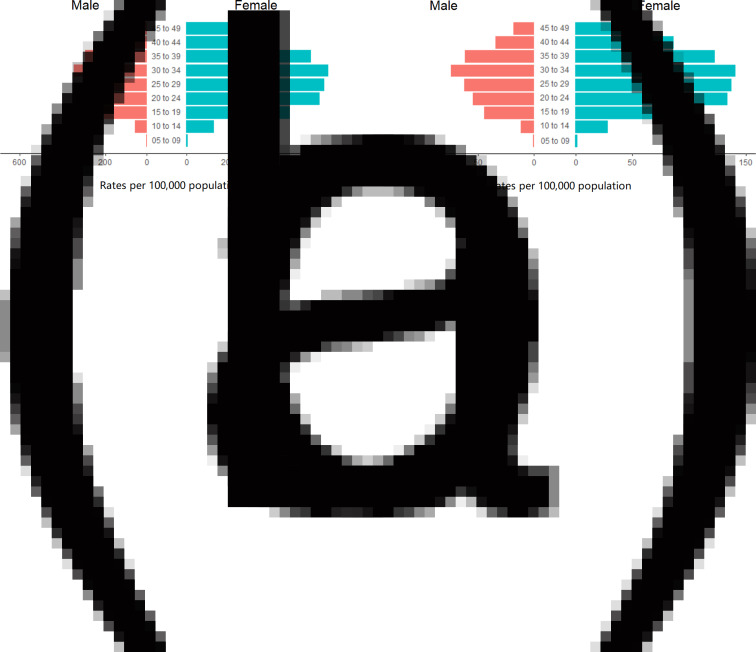
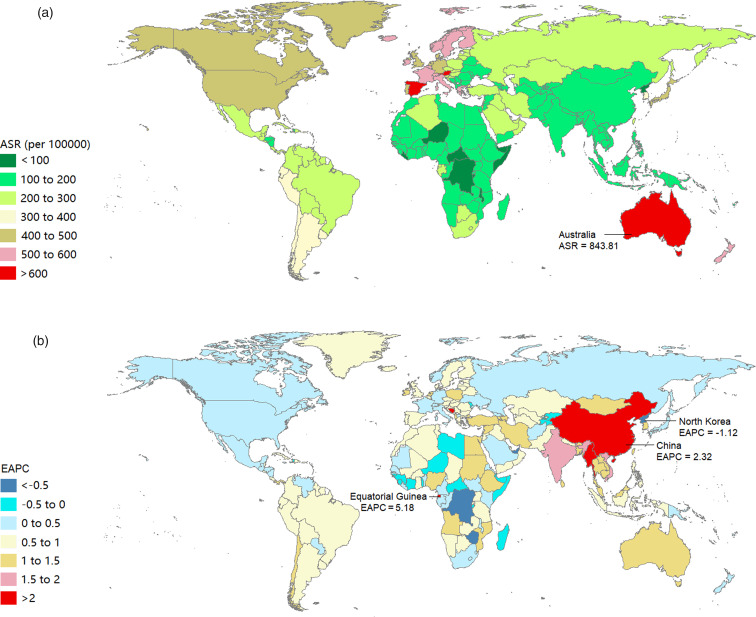
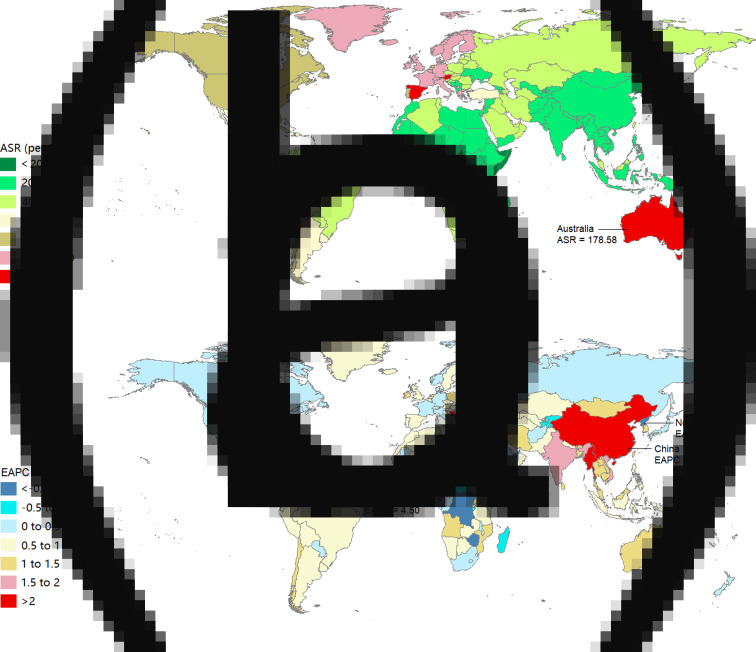
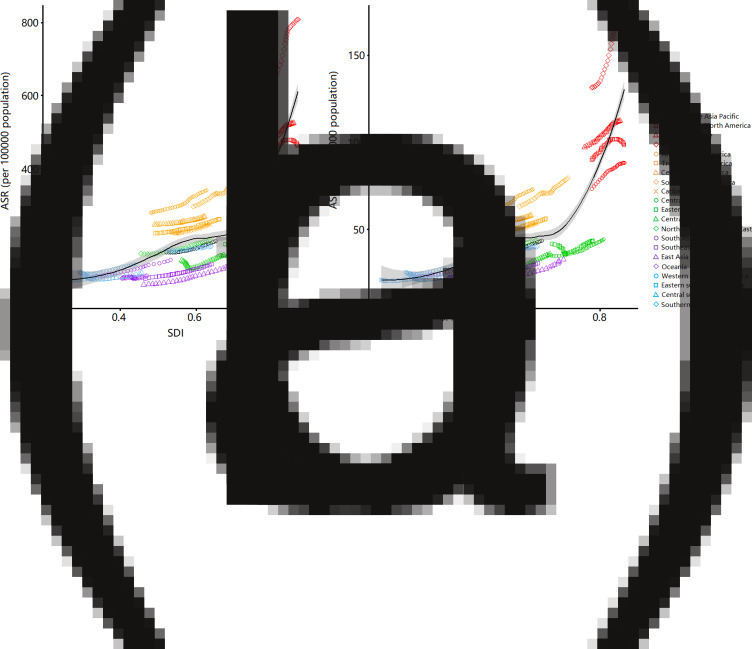
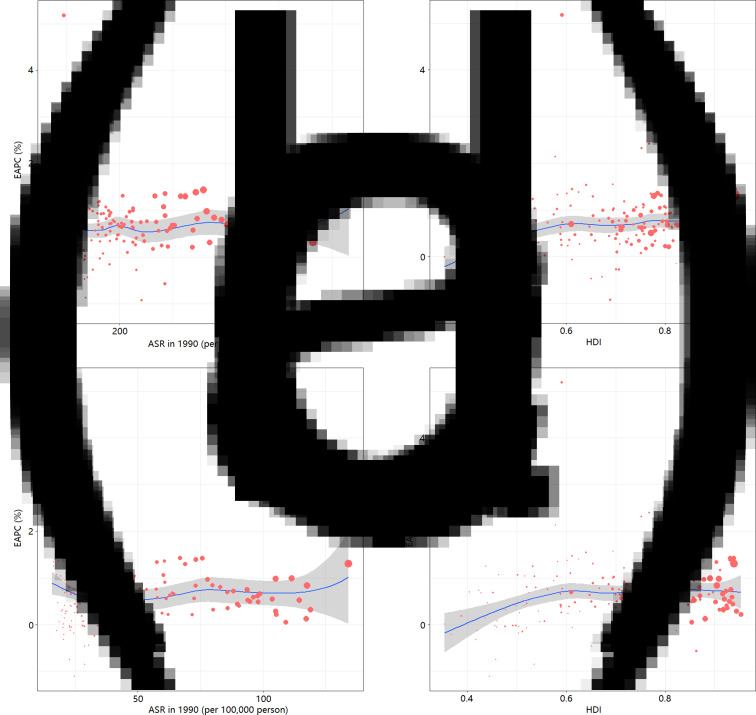
Results: The ASRs of prevalence and the DALYs of eating disorders continuously increased worldwide from 1990 to 2017 by an average of 0.65 (95% UI: 0.59-0.71) and 0.66 (95% UI: 0.60-0.72), respectively. The burden of eating disorders was higher in females than in males, but the increment in ASRs was greater in males than in females over time. In 2017, the highest burden of eating disorders was observed in the high sociodemographic index (SDI) regions, especially Australasia (ASR of prevalence = 807.13, 95% UI: 664.20-982.30; ASR of DALYs = 170.74, 95% UI: 113.43-244.14, per 100 000 population), Western Europe and high-income North America. However, the most significant increment of the burden of eating disorders was observed in East Asia (EAPC for prevalence = 2.23, 95% UI: 2.14-2.32; EAPC for DALYs = 2.22, 95% UI: 2.13-2.31), followed by South Asia. An increasing trend in the burden of eating disorders at the national level was observed among most countries or territories. The countries with the top three highest increasing trends were Equatorial Guinea, Bosnia and Herzegovina and China. Positive associations were found between the burden estimates and the SDI levels in almost all geographic regions during the observed 28-year period. We also found that the human development indexes in 2017 were positively correlated with the EAPCs of the ASRs of prevalence (ρ = 0.222, P = 0.002) and DALYs (ρ = 0.208, P = 0.003).
Conclusion: The highest burden of eating disorders remains in the high-income western countries, but an increasing trend was observed globally and in all SDI-quintiles, especially in Asian regions that were highly populous. These results could help governments worldwide formulate suitable medical and health policies for the prevention and early intervention of eating disorders.
Keywords: Disability-adjusted life years; Global Burden of Disease; eating disorders; prevalence; secular trend.
Conflict of interest statement
The authors declared no potential conflict of interest with respect to the research, authorship and/or publication of this article.
Figures
References
-
- Castellini G, Lelli L, Cassioli E and Ricca V (2019) Relationships between eating disorder psychopathology, sexual hormones and sexual behaviours. Molecular and Cellular endocrinology 497, 110429. - PubMed
-
- Culbert KM, Racine SE and Klump KL (2016) Hormonal factors and disturbances in eating disorders. Current Psychiatry Reports 18, 65. - PubMed
MeSH terms
LinkOut - more resources
Full Text Sources
Medical
