Review
. 2021 Jan 10:329:299-315.
doi: 10.1016/j.jconrel.2020.12.001. Epub 2020 Dec 5.

Polyphosphazene immunoadjuvants: Historical perspective and recent advances

Affiliations
Review

Polyphosphazene immunoadjuvants: Historical perspective and recent advances

Alexander K Andrianov et al. J Control Release. .

Abstract

The development of successful vaccines has been increasingly reliant on the use of immunoadjuvants - additives, which can enhance and modulate immune responses to vaccine antigens. Immunoadjuvants of the polyphosphazene family encompass synthetic biodegradable macromolecules, which attain in vivo activity via antigen delivery and immunostimulation mechanisms. Over the last decades, the technology has witnessed evolvement of next generation members, expansion to include various antigens and routes of administration, and progression to clinical phase. This was accompanied by gaining important insights into the mechanism of action and the development of a novel class of virus-mimicking nano-assemblies for antigen delivery. The present review evaluates in vitro and in vivo data generated to date in the context of latest advances in understanding the primary function and biophysical behavior of these macromolecules. It also provides an overview of relevant synthetic and characterization methods, macromolecular biodegradation pathways, and polyphosphazene-based multi-component, nanoparticulate, and microfabricated formulations.

Keywords: Antigens; Biodegradable polymers; Immunoadjuvants; Nanocomplexes; Polyphosphazenes; Proteins; Resiquimod; TLR agonists; Vaccine delivery.


Conflict of interest statement

Declaration of Conflict of Interest

A.K.A. declares no conflict of interest. For a list of entities with which R.L. is involved, compensated or uncompensated, see www.dropbox.com/s/yc3xqb5s8s94v7x/Rev%20Langer%20COI.pdf?dl=0.

Figures

Fig. 1.
Fig. 1.
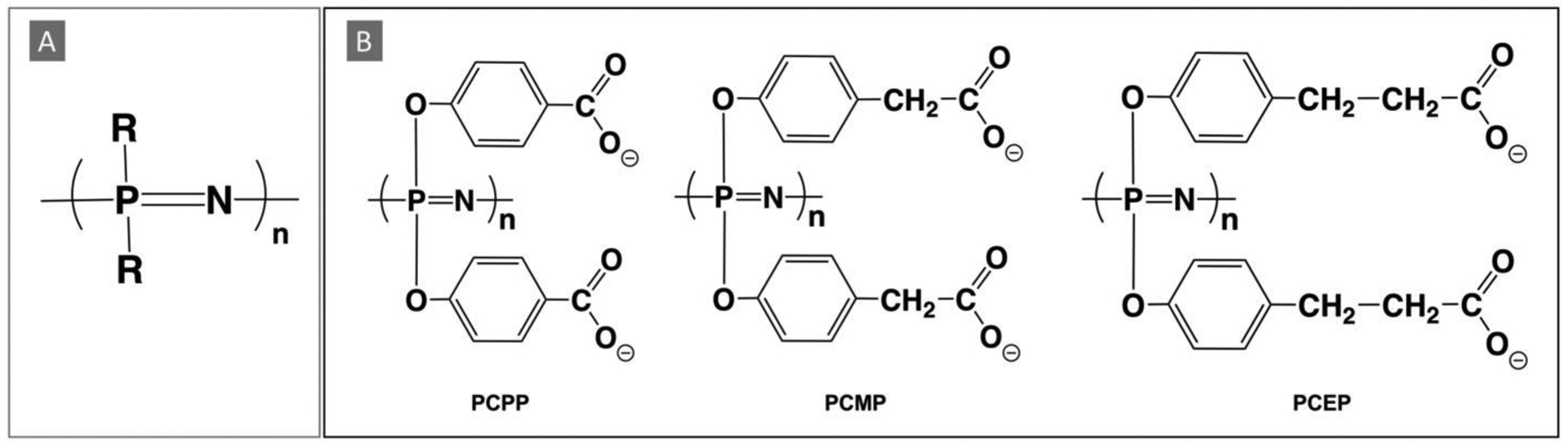
Chemical structures of (A) generic polyphosphazene and (B) lead polyphosphazene immunoadjuvants: PCPP, PCMP, and PCEP.
Fig. 2.
Fig. 2.
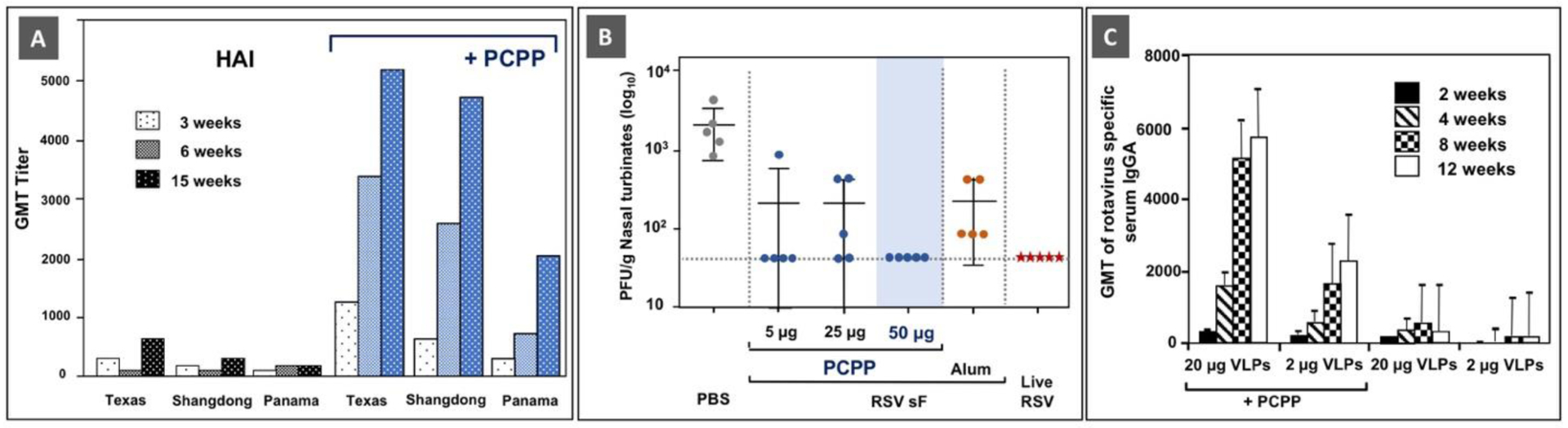
Immunoadjuvant activity of PCPP: (A) The effect of PCPP on hemagglutination-inhibition (HAI) antibody titers to trivalent influenza vaccine (A/Texas/36/91 (H1N1), A/Shangdong/9/93 (H3N2), B/Panama/45/90) in BALB/C mice. Reprinted from [27], Copyright 1997, with permission from Elsevier. (B) Nasal turbinates viral loads 4 days post-challenge with RSV A2 in mice. Infectious virus was detected by Plaque Assay on HEp-2 cells. Adapted with permission from [7]. Copyright 2017, American Chemical Society. (C) Rotavirus-specific serum IgA antibodies after intramuscular immunization with rotavirus VLPs with or without PCPP. Significantly higher IgA titers were observed in mice that received PCPP adjuvanted formulations (p < 0.002). (Reprinted from [32], Copyright 2008, with permission from Elsevier).
Fig. 3.
Fig. 3.
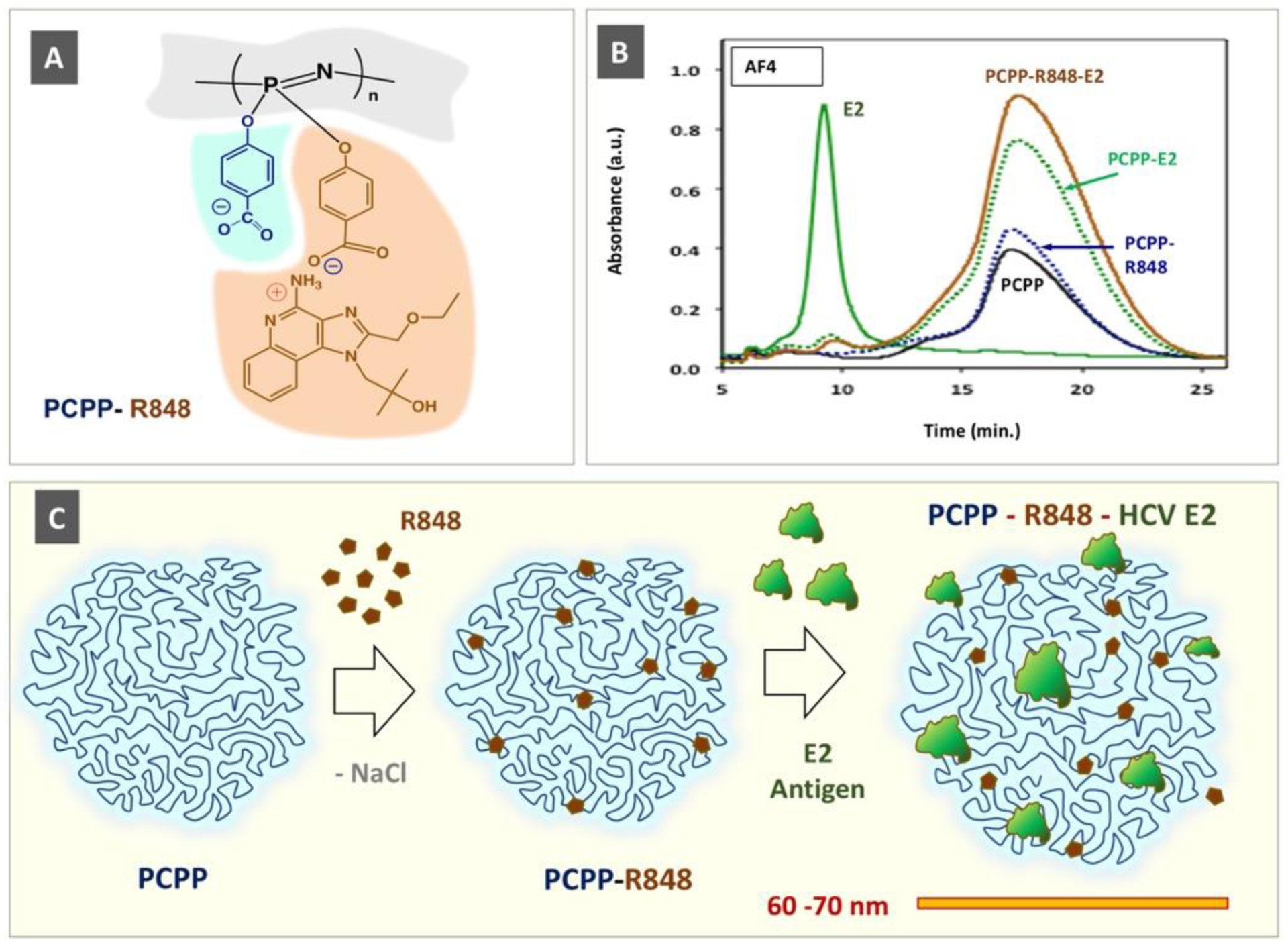
Supramolecular assembly of PCPP-R848-HCV E2 antigen ternary complex: (A) chemical structure of PCPP-R848; (B) AF4 fractograms of a complex and its components (Adapted with permission from [9]. Copyright 2020 American Chemical Society). (C) Schematic presentation of spontaneous self-assembly and resulting virus-size mimicking complex displaying antigen and TLR 7/8 agonist “danger signals” in their multimeric forms.
Fig. 4.
Fig. 4.
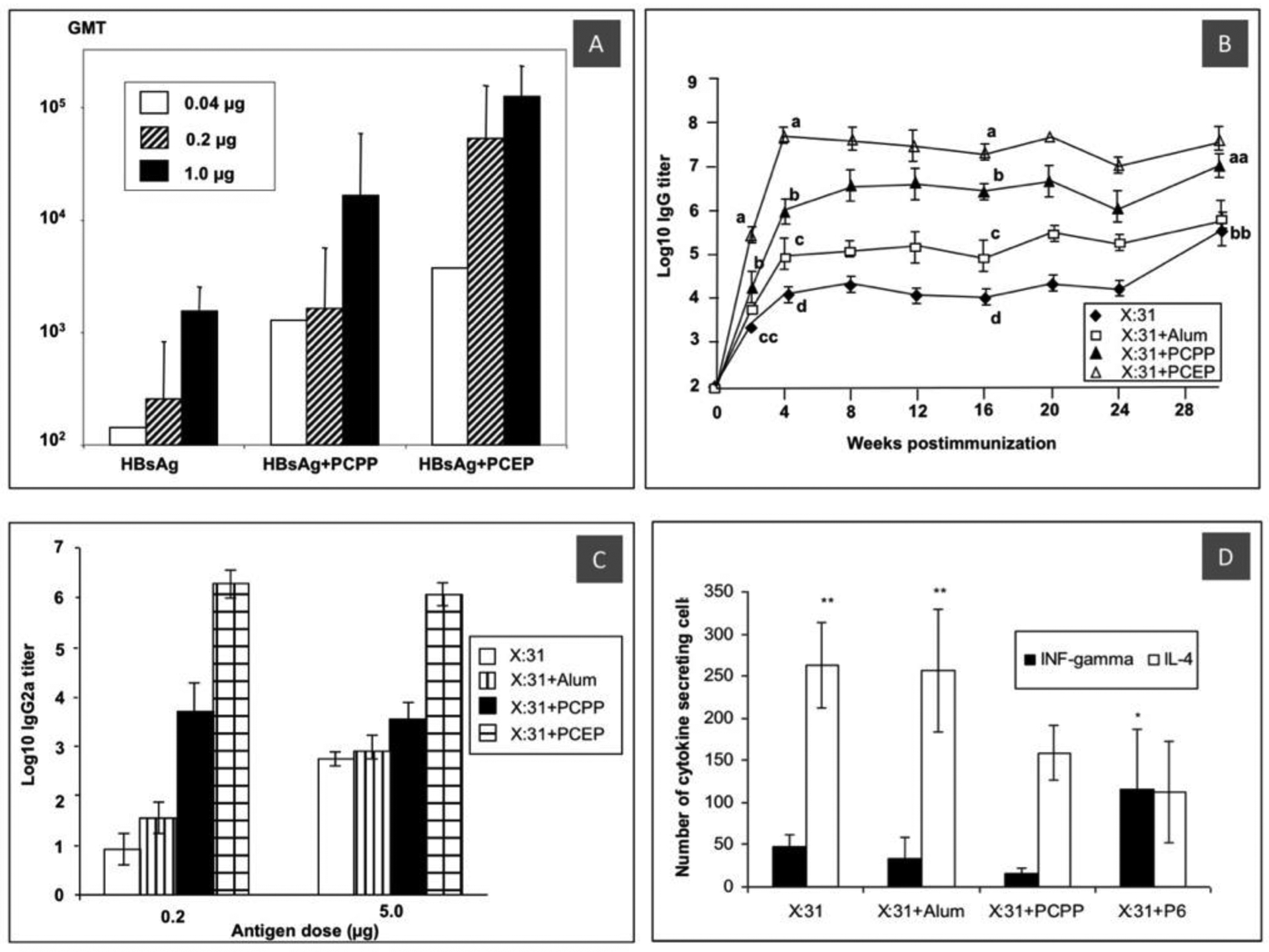
In vivo activity of PCEP: (A) serum IgG titers after immunization of mice with PCPP and PCEP adjuvanted and non-adjuvanted HBsAg at different antigen doses (IM, 4-week data. Reprinted with permission from [39]. Copyright 2006, American Chemical Society; (B) serum IgG titers after immunization of mice with 0.2 μg X31 influenza antigen; (C) IgG2a titers; and (D) frequency of X:31-specific INFγ and IL-4 secreting cells in mice splenocytes as determined by ELISPOT assay in the same experiment (SC, 16 weeks. All reprinted from [29]. Copyright 2006, with permission from Elsevier).
Fig. 5.
Fig. 5.
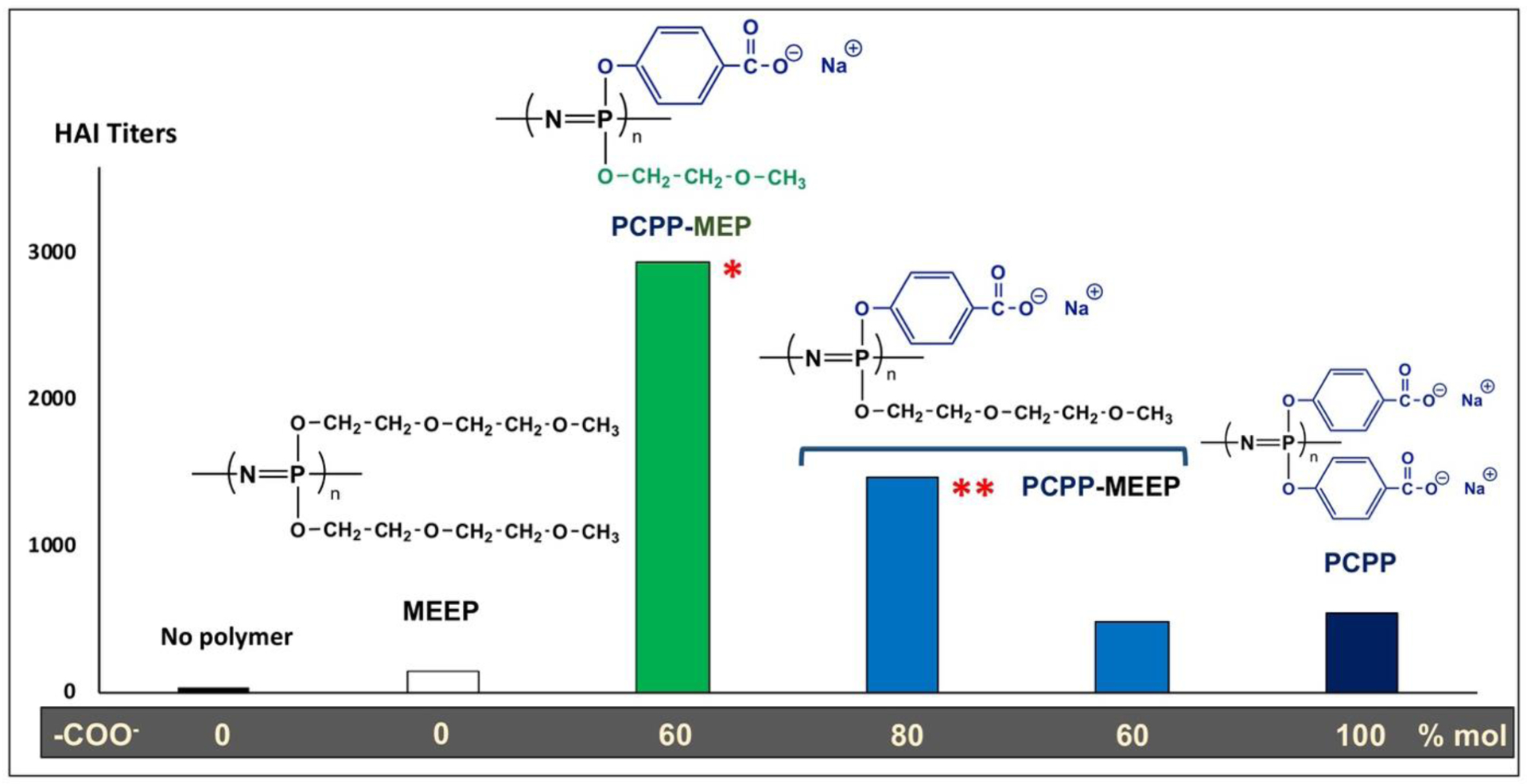
Serum hemagglutination (HAI) titers after immunization of mice with split X-31 influenza adjuvanted with PCPP derivatives (5 μg antigen, 30 μg polymer doses; geometric mean titers of 5 BALB/C mice; *statistically significantly different from PCPP, P = 0.0121; **statistically significantly different from PCPP, P = 0.0733; compiled from data published in [36]).
Fig. 6.
Fig. 6.
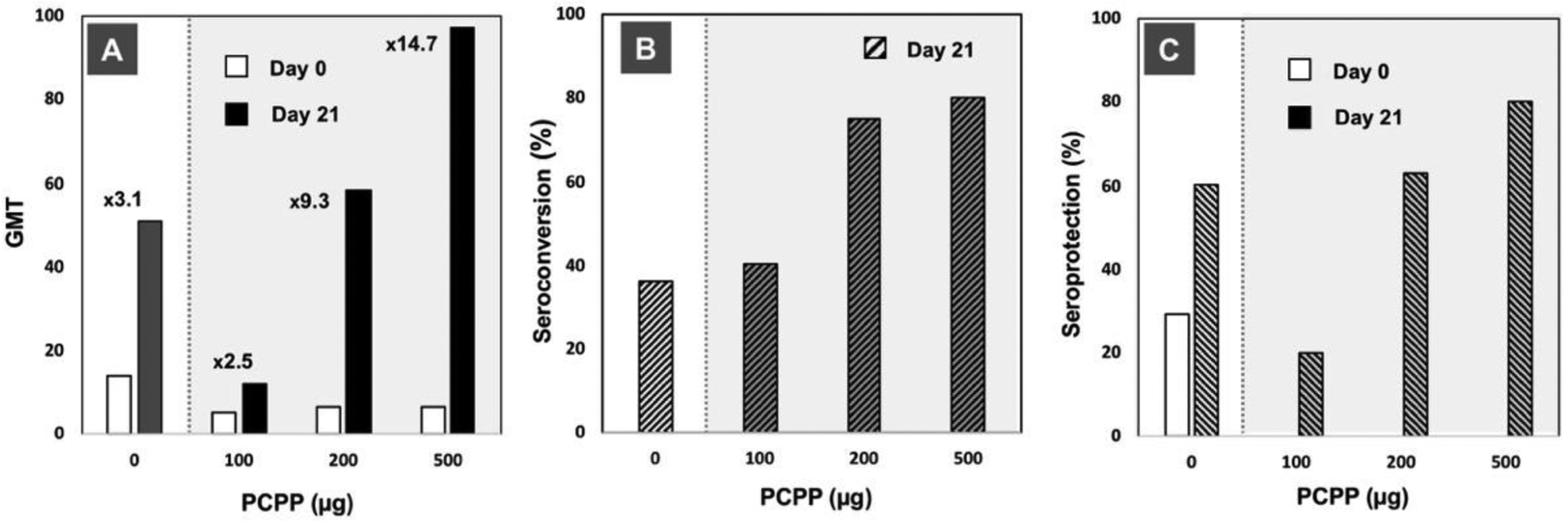
Immunoadjuvant activity of PCPP in clinical trials with influenza vaccine: (A) geometric mean titers (GMT) of A/H3N2 strain specific immune response (numbers indicate fold-increase in GMTs compared to day 0); (B) seroconversion, and (C) seroprotection data versus PCPP dose (strain-specific immunogenicity for A/Johannesburg/33/94 (H3N2) influenza, days 0 and 21 results are shown, 96 subjects). Figures plotted based on the data published in [38].
Fig. 7.
Fig. 7.
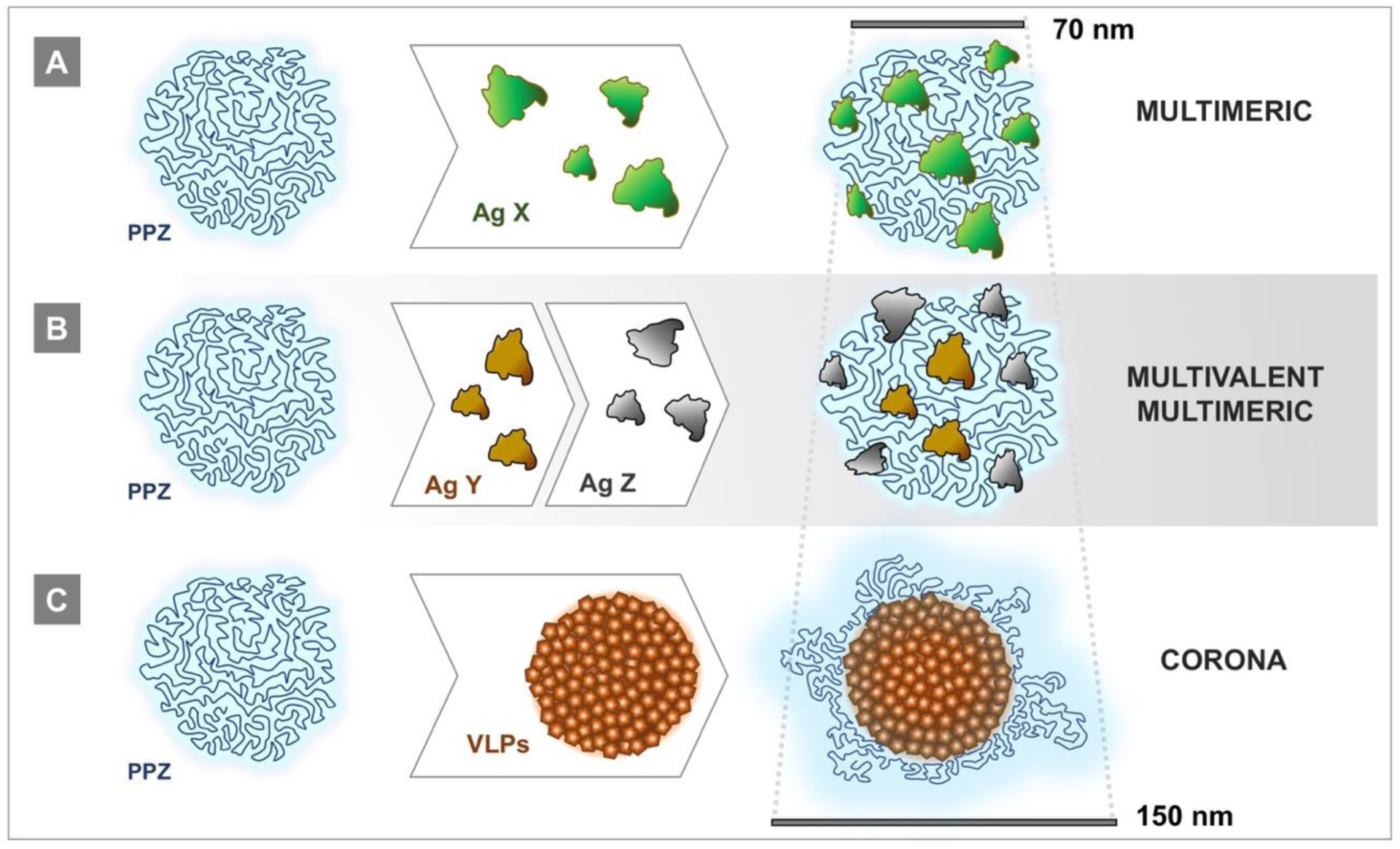
Schematic presentation of supramolecular assemblies of polyphosphazene adjuvants with antigens: (A) multimeric complexes containing multiple copies of the same adjuvant, (B) multivalent (containing more than one antigen)/multimeric complexes, and (C) corona (surface modified particulate antigen) assemblies formed with VLPs (bars represent approximate dimensions).
Fig. 8.
Fig. 8.
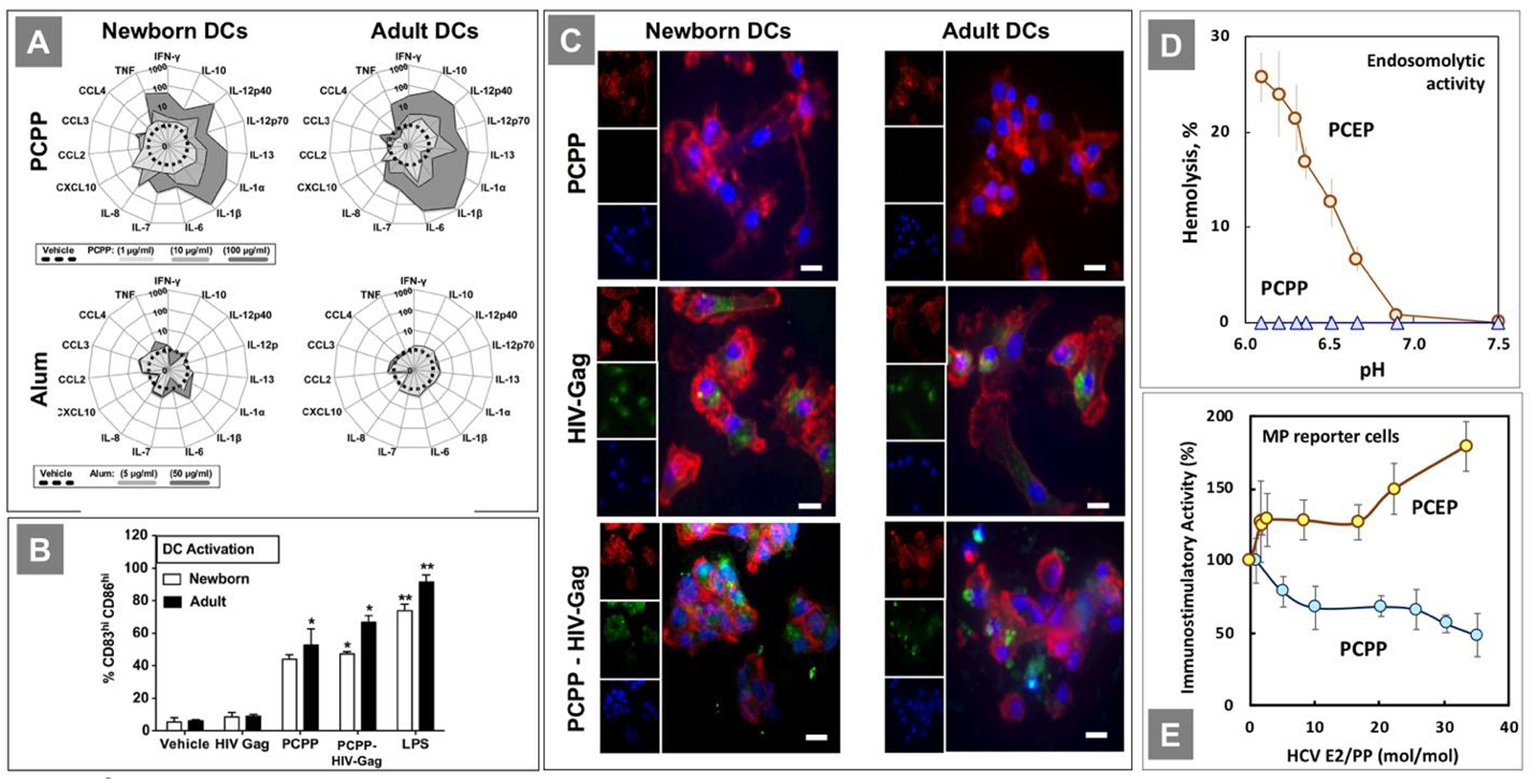
(A) PCPP-induced newborn and adult DC maturation profile is superior to Alum’s; (B) DC maturation profile as percentage of the total population of gated DCs per condition; (C) HIV-Gag - PCPP assemblies are internalized by human newborn and adult DCs. (All reprinted from [14], Copyright 2014, with permission from Elsevier). (D) Endosomolytic activity of PCEP as determined by hemolysis assay. (Reprinted with permission from [15]. Copyright 2016 American Chemical Society). (E) The effect of E2 antigen loading on the immunostimulatory activity of complexes as evaluated in macrophage reporter cell lines. (Reprinted with permission from [10]. Copyright 2020 American Chemical Society)
Fig. 9.
Fig. 9.
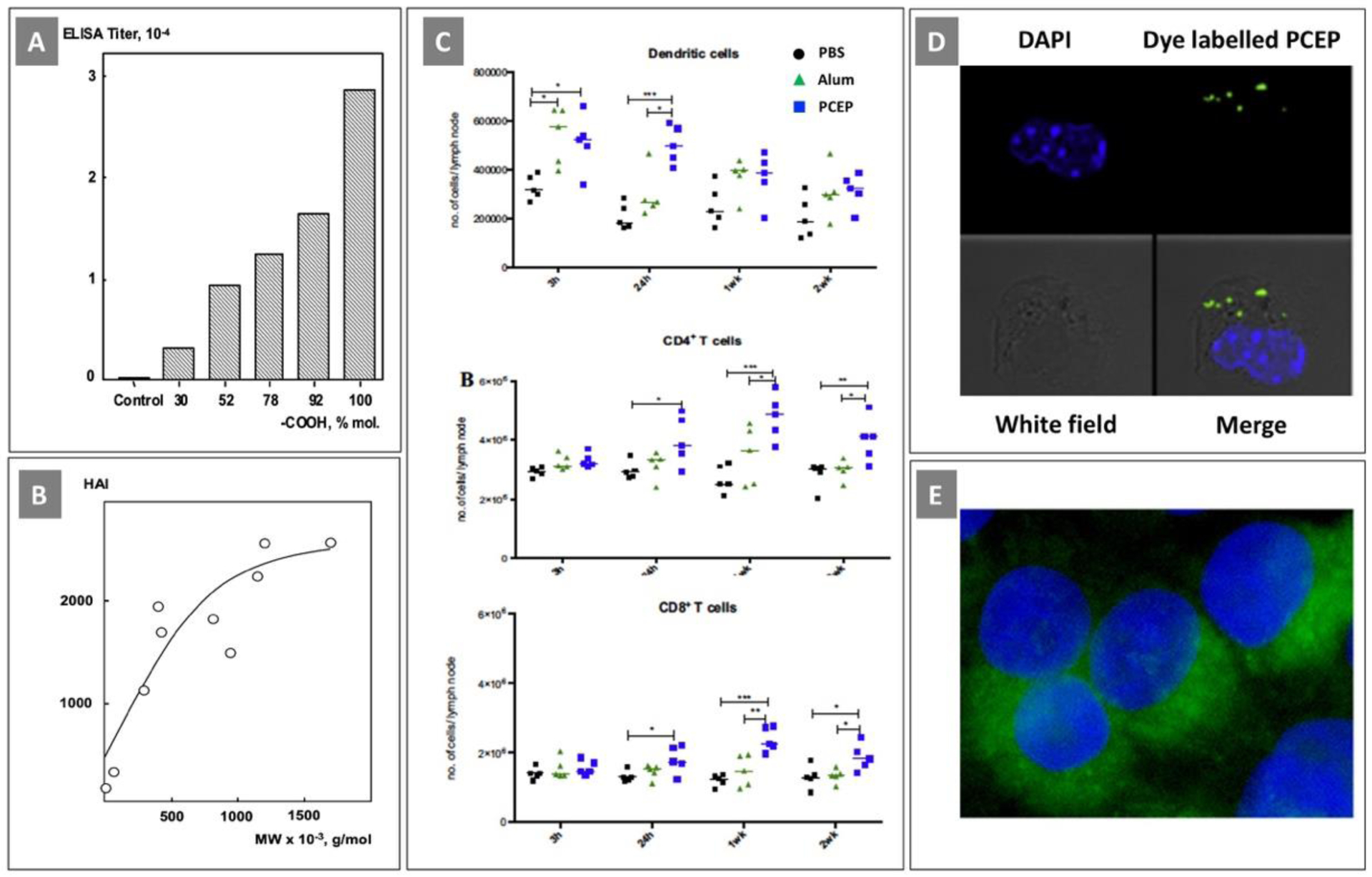
(A) Serum IgG titers after immunization of mice with influenza antigen adjuvanted with PCPP with variable content of carboxylic acid group. (Reprinted with permission from [85]. Copyright 2004, American Chemical Society); (B) HAI titers in mice immunized with influenza antigen adjuvanted with PCPP having various molecular weight. (Reprinted from [27], Copyright 1997, with permission from Elsevier). (C) PCEP stimulates increased immune cell numbers in the draining lymph nodes in mice; (D) Intracellular uptake of PCEP at the injection site in mice as analyzed using a confocal laser scanning microscope. (All reprinted from [115], Copyright 2014, with permission from Elsevier); (E) Fluorescence microscopy visualization of PCEP copolymer enhanced cytosolic delivery of a model protein cargo (Reprinted with permission from [116]. Copyright 2017 American Chemical Society)
Fig. 10.
Fig. 10.
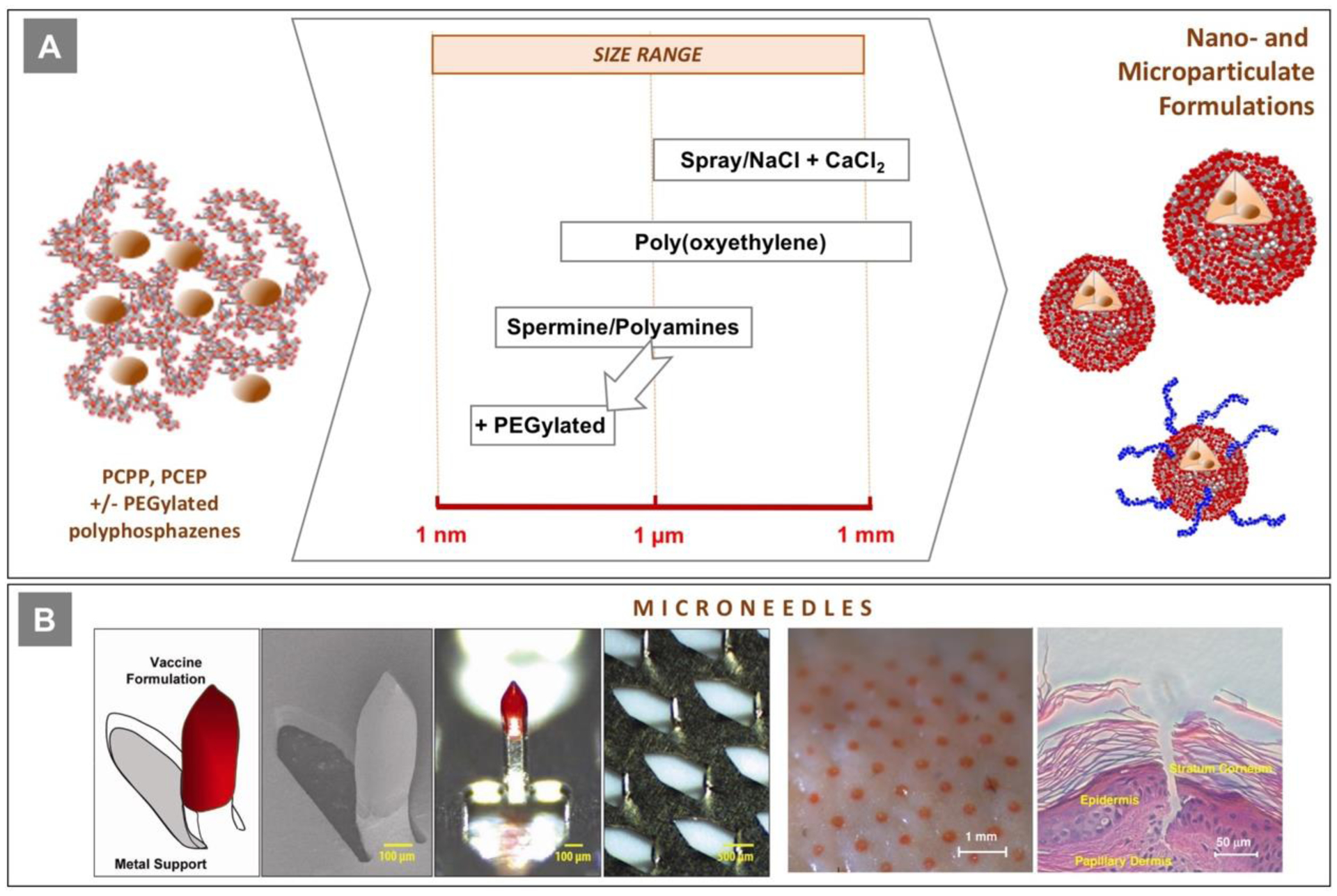
(A) The relationship between various methods for preparation of polyphosphazene nano- and microparticulates and their dimensions; (B) polyphosphazene coated microneedles - schematics, scanning electron and optical microscopy images of microneedles and their array; images of porcine skin surface after application of microneedle patch and histological analysis of pierced skin (reproduced with permission from [31]).

References

    1. Rappuoli R, Pizza M, Del Giudice G, De Gregorio E, Vaccines, new opportunities for a new society, Proc. Natl. Acad. Sci. U. S. A, 111 (2014) 12288–12293. - PMC - PubMed
    1. De Gregorio E, Rappuoli R, From empiricism to rational design: a personal perspective of the evolution of vaccine development, Nat. Rev. Immunol, 14 (2014) 505–514. - PMC - PubMed
    1. Reed SG, Orr MT, Fox CB, Key roles of adjuvants in modern vaccines, Nat. Med, 19 (2013) 1597–1608. - PubMed
    1. Nanishi E, Dowling DJ, Levy O, Toward precision adjuvants: optimizing science and safety, Curr. Opin. Pediatr, 32 (2020) 125–138. - PMC - PubMed
    1. Del Giudice G, Rappuoli R, Didierlaurent AM, Correlates of adjuvanticity: A review on adjuvants in licensed vaccines, Semin. Immunol, 39 (2018) 14–21. - PubMed

Publication types