


Untapped Potentials of Endophytic Fungi: A Review of Novel Bioactive Compounds with Biological Applications
- PMID: 33291214
- PMCID: PMC7762190
- DOI: 10.3390/microorganisms8121934
Untapped Potentials of Endophytic Fungi: A Review of Novel Bioactive Compounds with Biological Applications
Abstract
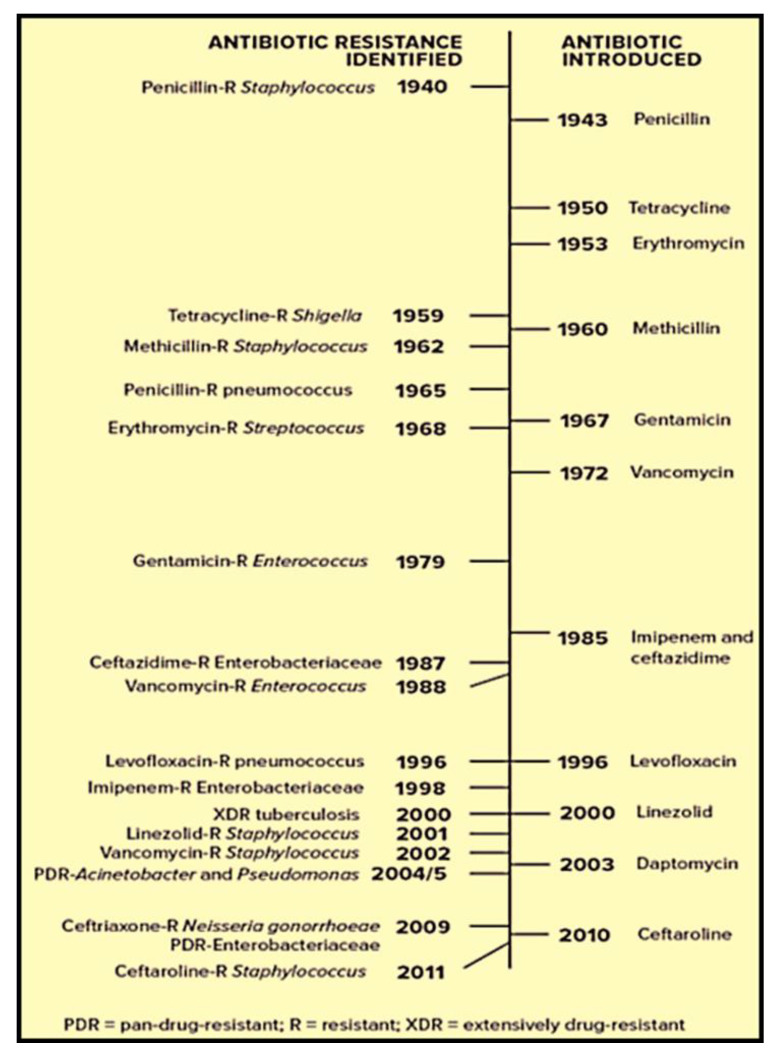
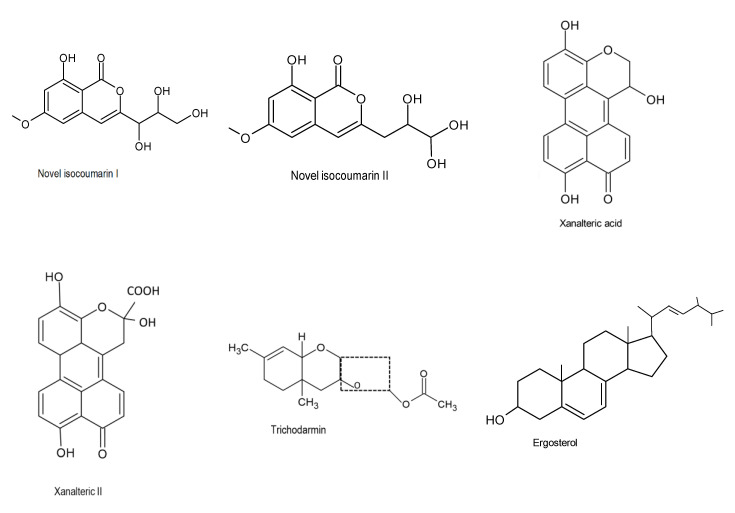
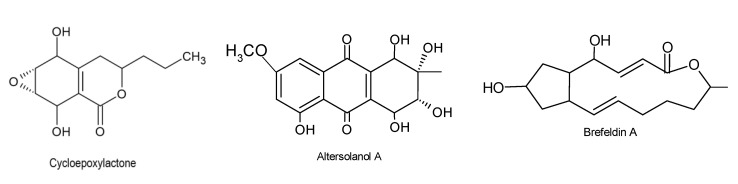
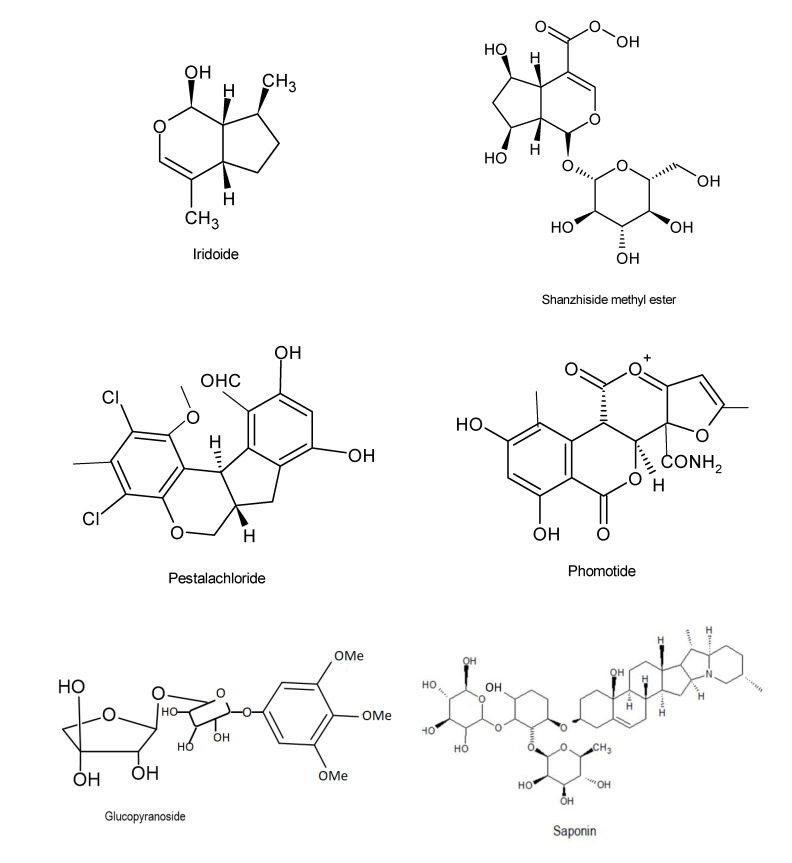
Over the last century, endophytic fungi have gained tremendous attention due to their ability to produce novel bioactive compounds exhibiting varied biological properties and are, therefore, utilized for medicinal, pharmaceutical, and agricultural applications. Endophytic fungi reside within the plant tissues without showing any disease symptoms, thus supporting the physiological and ecological attributes of the host plant. Ground breaking lead compounds, such as paclitaxel and penicillin, produced by endophytic fungi have paved the way for exploring novel bioactive compounds for commercial usage. Despite this, limited research has been conducted in this valuable and unique niche area. These bioactive compounds belong to various structural groups, including alkaloids, peptides, steroids, terpenoids, phenols, quinones, phenols, and flavonoids. The current review focuses on the significance of endophytic fungi in producing novel bioactive compounds possessing a variety of biological properties that include antibacterial, antiviral, antifungal, antiprotozoal, antiparasitic, antioxidant, immunosuppressant, and anticancer functions. Taking into consideration the portal of this publication, special emphasis is placed on the antimicrobial and antiviral activities of metabolites produced by endophytes against human pathogens. It also highlights the importance of utilization of these compounds as potential treatment agents for serious life-threatening infectious diseases. This is supported by the fact that several findings have indicated that these bioactive compounds may significantly contribute towards the fight against resistant human and plant pathogens, thus motivating the need enhance the search for new, more efficacious and cost-effective antimicrobial drugs.
Keywords: bioactive compounds; biological activities; discovery; endophytic fungi; novel.
Conflict of interest statement
The authors declare no conflict of interest.
Figures
References
-
- World Health Organization (WHO) Antimicrobial Resistance: Global Report on Surveillance. WHO; Geneva, Switzerland: 2014.
Publication types
LinkOut - more resources
Full Text Sources
