


A review of burn symptoms and potential novel neural targets for non-invasive brain stimulation for treatment of burn sequelae
- PMID: 33293156
- PMCID: PMC8685961
- DOI: 10.1016/j.burns.2020.06.005
A review of burn symptoms and potential novel neural targets for non-invasive brain stimulation for treatment of burn sequelae
Abstract
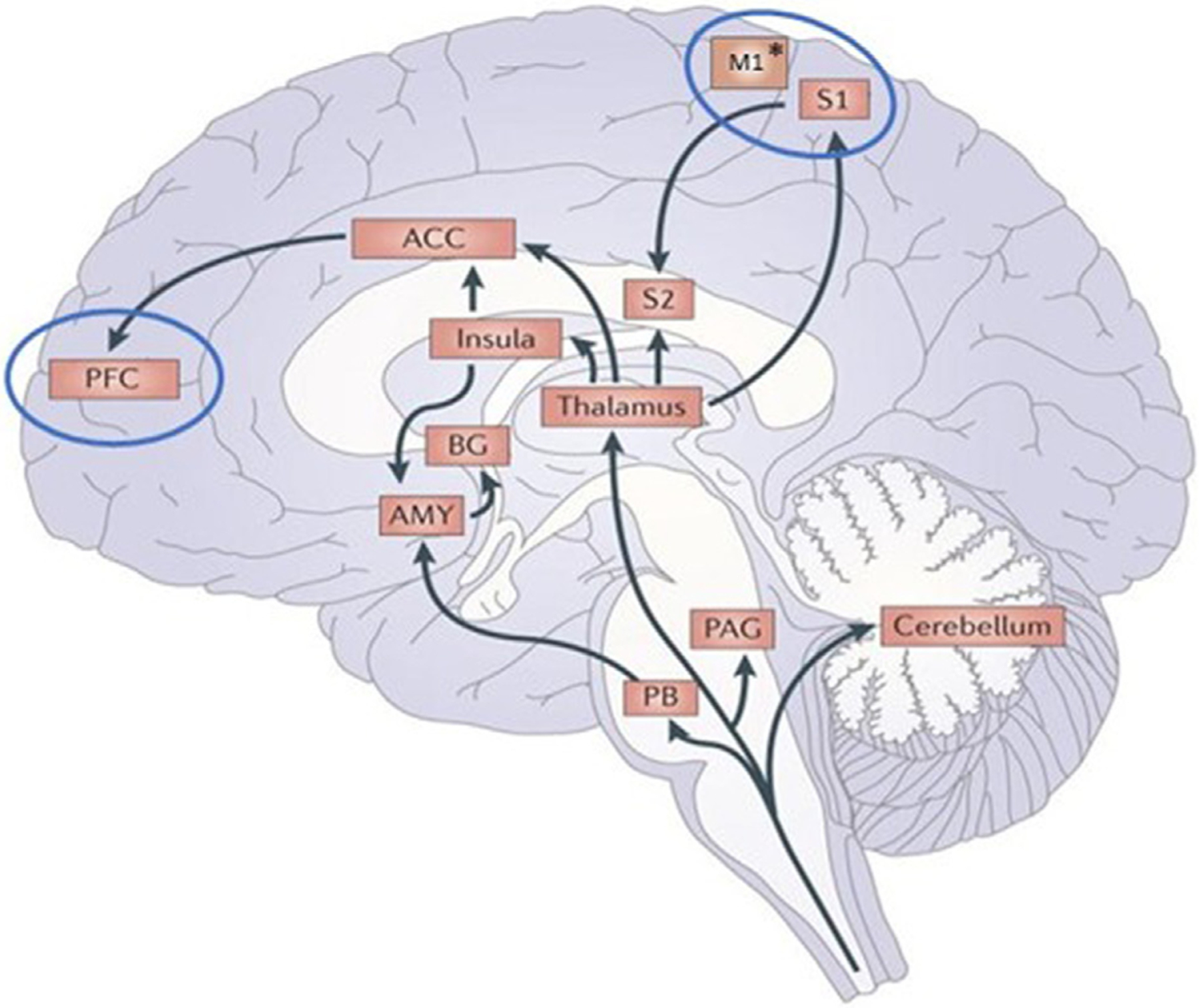
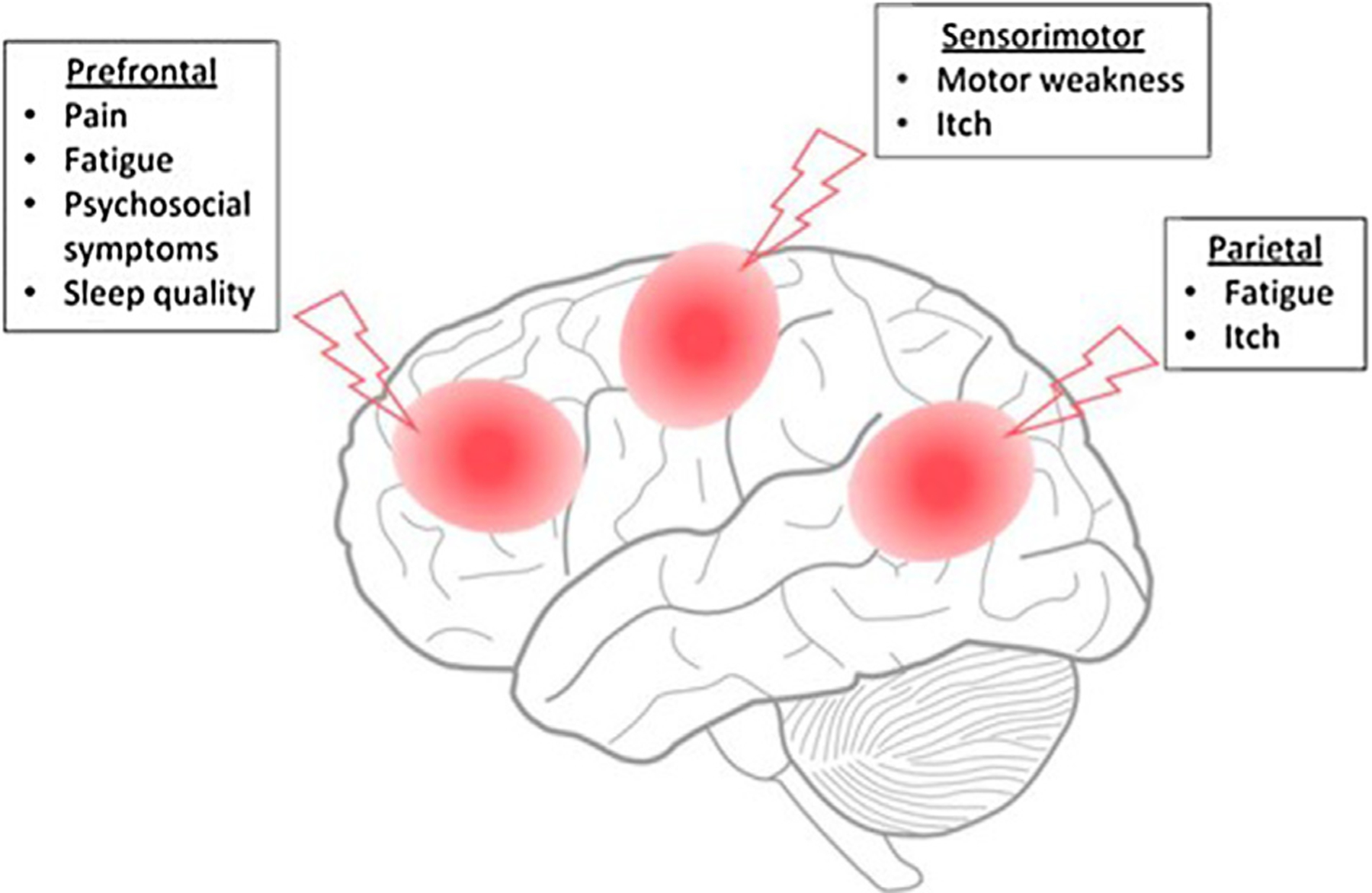
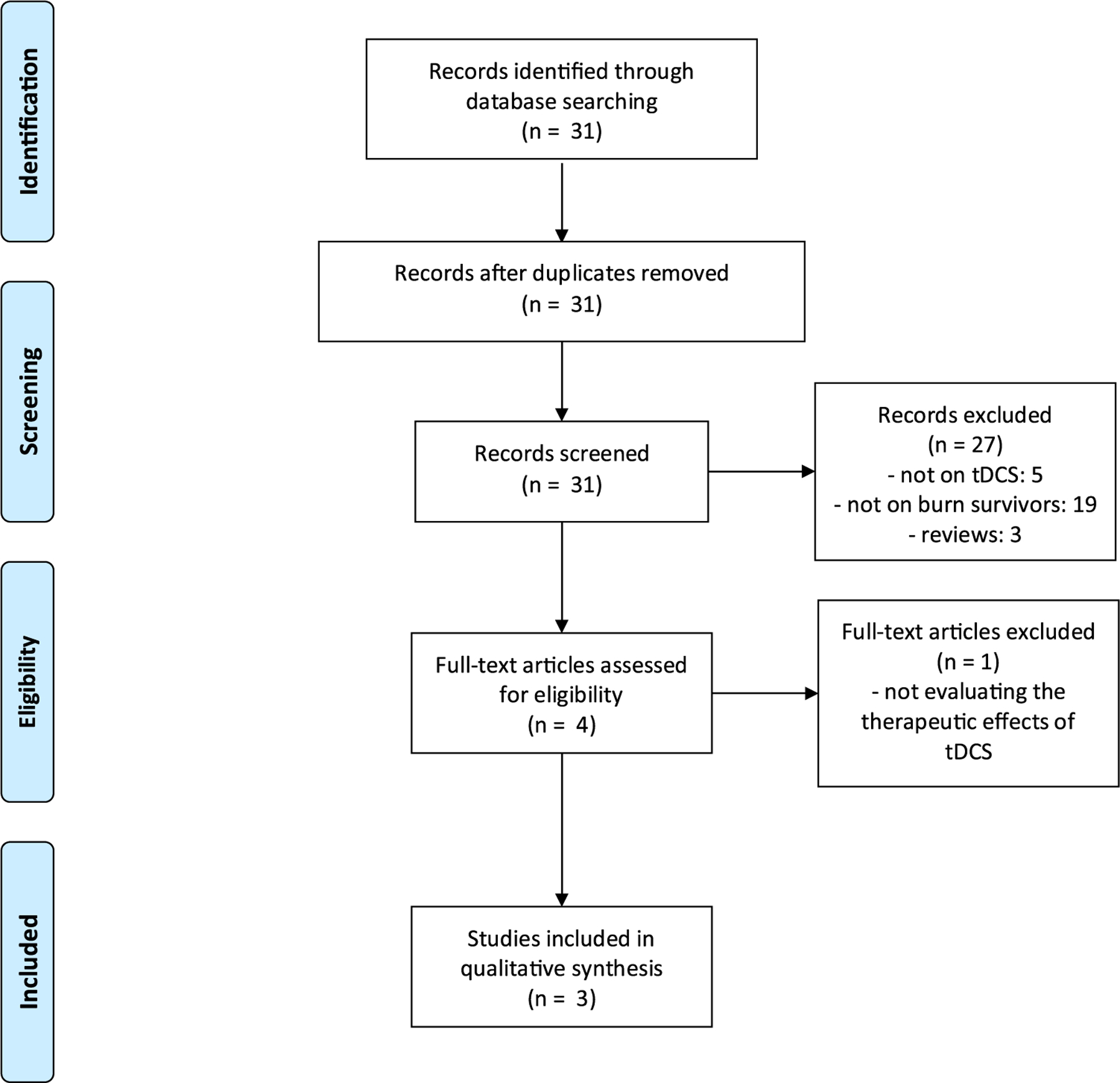
Burn survivors experience myriad associated symptoms such as pain, pruritus, fatigue, impaired motor strength, post-traumatic stress, depression, anxiety, and sleep disturbance. Many of these symptoms are common and remain chronic, despite current standard of care. One potential novel intervention to target these post burn symptoms is transcranial direct current stimulation (tDCS). tDCS is a non-invasive brain stimulation (NIBS) technique that modulates neural excitability of a specific target or neural network. The aim of this work is to review the neural circuits of the aforementioned clinical sequelae associated with burn injuries and to provide a scientific rationale for specific NIBS targets that can potentially treat these conditions. We ran a systematic review, following the PRISMA statement, of tDCS effects on burn symptoms. Only three studies matched our criteria. One was a feasibility study assessing cortical plasticity in chronic neuropathic pain following burn injury, one looked at the effects of tDCS to reduce pain anxiety during burn wound care, and one assessed the effects of tDCS to manage pain and pruritus in burn survivors. Current literature on NIBS in burn remains limited, only a few trials have been conducted. Based on our review and results in other populations suffering from similar symptoms as patients with burn injuries, three main areas were selected: the prefrontal region, the parietal area and the motor cortex. Based on the importance of the prefrontal cortex in the emotional component of pain and its implication in various psychosocial symptoms, targeting this region may represent the most promising target. Our review of the neural circuitry involved in post burn symptoms and suggested targeted areas for stimulation provide a spring board for future study initiatives.
Keywords: Non-invasive brain stimulation; Pain; Pruritus; Psychosocial disorders; Transcranial direct current stimulation.
Copyright © 2020. Published by Elsevier Ltd.
Conflict of interest statement
Conflict of interest
The authors report no conflict of interest.
Figures
References
-
- Schneider JC, Spires MC. Burn rehabilitation. In: Frontera WR, editor. DeLisa’s phys med rehabil 5th ed. Philadelphia: Lippincott Williams & Wilkins; 2010. p. 1125–50.
-
- Corry N, Klick B, Fauerbach J. Posttraumatic stress disorder and pain impact functioning and disability after major burn injury. J Burn Care Res 2010. - PubMed
Publication types
MeSH terms
Grants and funding
LinkOut - more resources
Full Text Sources
Other Literature Sources
Medical
Miscellaneous
