


The Question-prompt list (QPL): Why it is needed in the Indian oncology setting?
- PMID: 33295152
- PMCID: PMC8451377
- DOI: 10.1002/cnr2.1316
The Question-prompt list (QPL): Why it is needed in the Indian oncology setting?
Abstract
Background: In India, caregivers are an integral part of the illness experience, especially in cancer, to the extent that they can become proxy decision-makers for the patient. Further, owing to acute resource constraints in the Indian healthcare system, it may be difficult for oncologists to assess and elicit questions from each patient/caregiver. Consequently, there is a need to address these unique aspects of oncology care in India to improve patient outcomes and understanding of their illness and treatment. This can be achieved through a Question Prompt List (QPL), a checklist used by care recipients during medical consultations.
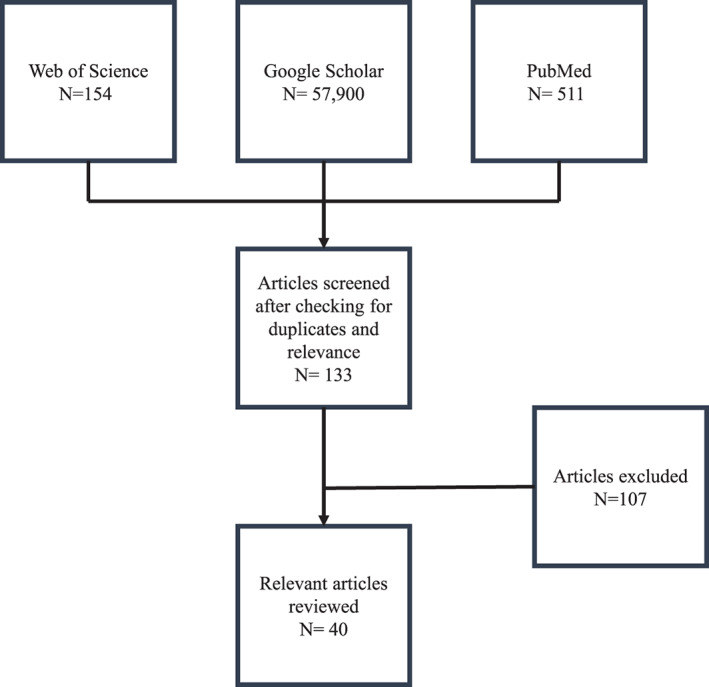
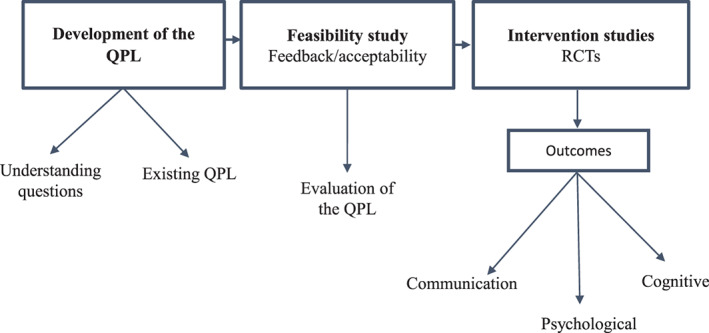
Recent findings: This narrative review will first introduce research on the development and effectiveness of the QPL, and then it will highlight current gaps in oncology care in India and explore how the QPL may aid in closing these gaps. A literature search of the empirical research focused on the development, feasibility and acceptability of the QPL in oncology settings was conducted. The final review included 40 articles pertaining to QPL research. Additionally, psycho-oncology research in India centered on information needs and experiences was reviewed. Current Indian psycho-oncology research reports patients' want to be actively involved in their cancer care and a need for more illness information. However, a high demand on physicians' resources and the family caregivers' interference can be barriers to meeting patients' information/communication needs. International research demonstrates that a QPL helps structure and decrease consultation time, improves patient satisfaction with care, and improves the quality of communication during medical encounters.
Conclusion: QPLs for Indian patients and caregivers may focus on the scope of medical consultations to address patient needs while influencing the course and content of the patient-caregiver-physician interactions. Further, it can address the resource constraints in Indian oncology care settings, thus reducing the physician's burden.
Keywords: India; oncology; patient-caregiver; question prompt list; question-asking.
© 2020 The Authors. Cancer Reports published by Wiley Periodicals LLC.
Conflict of interest statement
There is no conflict of interest.
Figures
References
-
- Butow P, Dunn S, Tattersall M, Jones Q. Patient participation in the cancer consultation: evaluation of a question prompt sheet. Ann Oncol. 1994;5(3):199‐204. - PubMed
-
- Clayton JM, Butow PN, Tattersall MHN, et al. Randomized controlled trial of a prompt list to help advanced cancer patients and their caregivers to ask questions about prognosis and end‐of‐life care. J Clin Oncol. 2007;25(6):715‐723. - PubMed
-
- Datta SS, Tripathi L, Varghese R, et al. Pivotal role of families in doctor–patient communication in oncology: a qualitative study of patients, their relatives and cancer clinicians. Eur J Cancer Care. 2016;26(5):1‐8. - PubMed
-
- Henselmans I, Jacobs M, van Berge Henegouwen MI, de Haes HC, Sprangers MA, Smets E. Postoperative information needs and communication barriers of oesophagal cancer patients. Patient Educ Couns. 2012;88(1):138‐146. - PubMed
Publication types
MeSH terms
LinkOut - more resources
Full Text Sources
Medical
