


The Master Regulator Protein BAZ2B Can Reprogram Human Hematopoietic Lineage-Committed Progenitors into a Multipotent State
- PMID: 33296649
- PMCID: PMC8049840
- DOI: 10.1016/j.celrep.2020.108474
The Master Regulator Protein BAZ2B Can Reprogram Human Hematopoietic Lineage-Committed Progenitors into a Multipotent State
Abstract
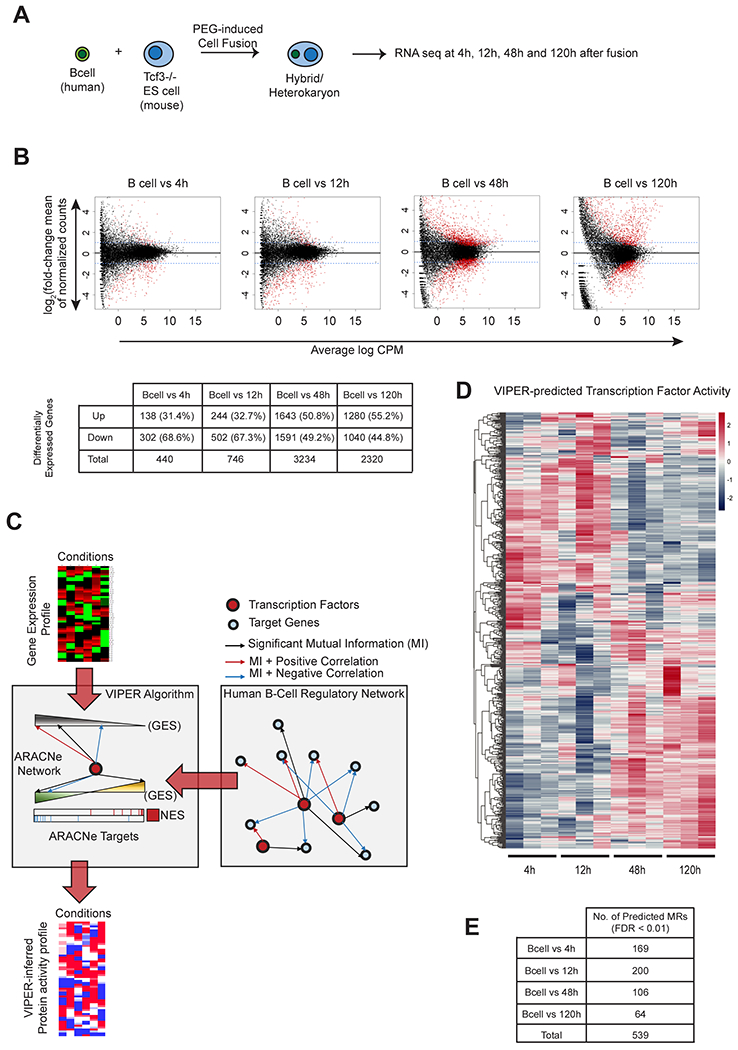
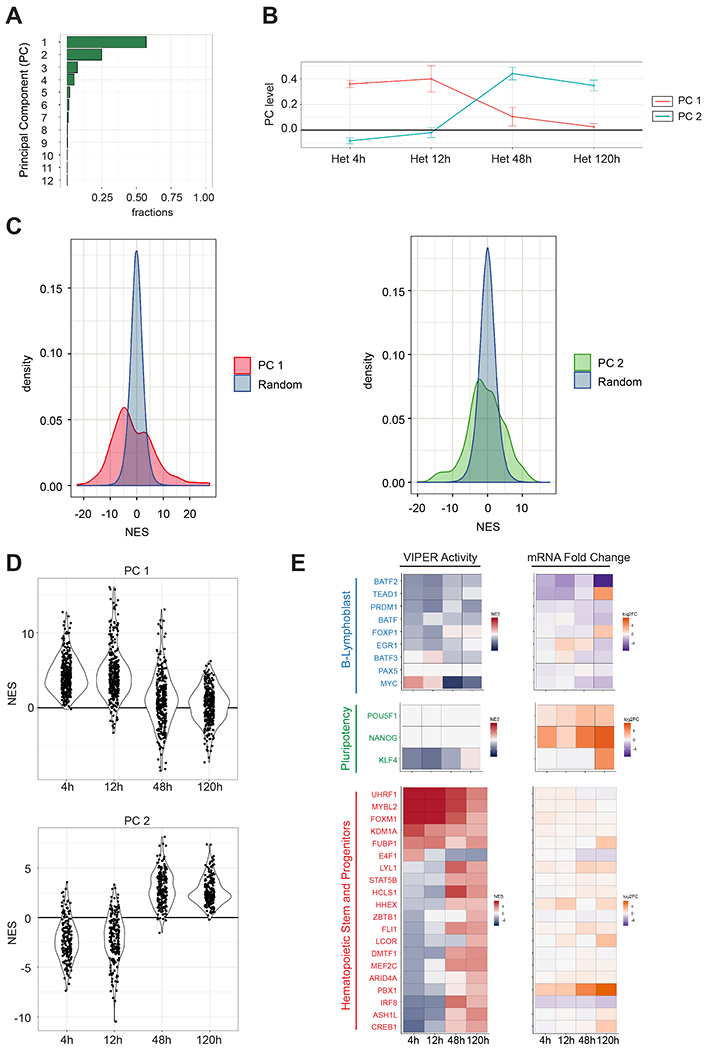
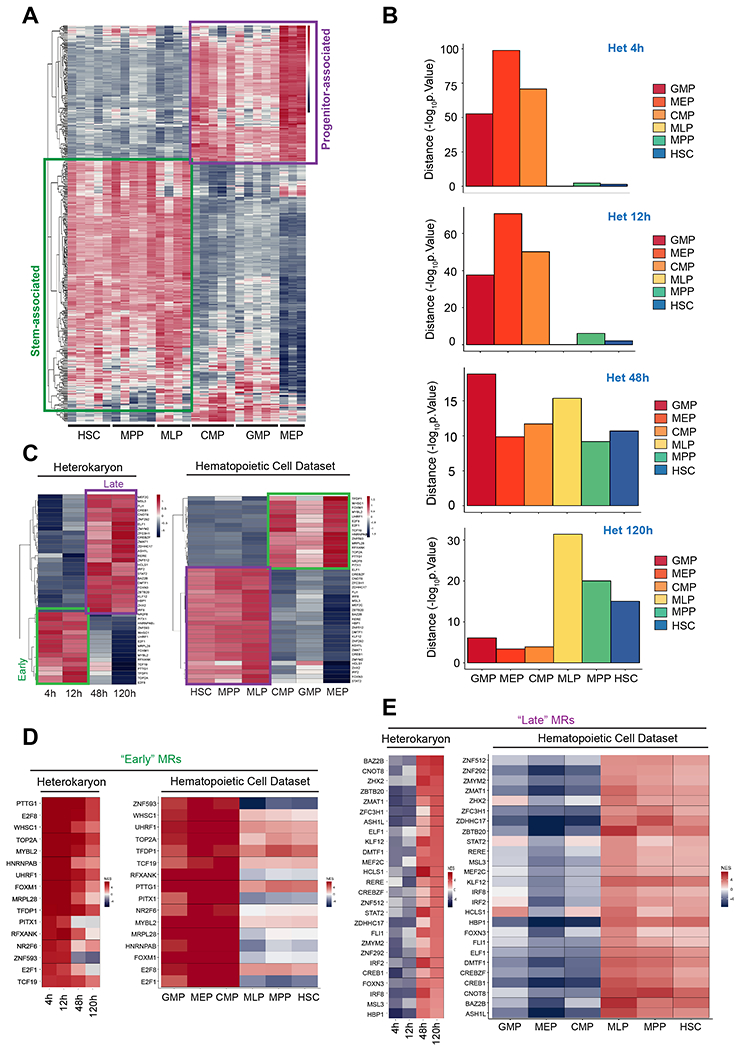
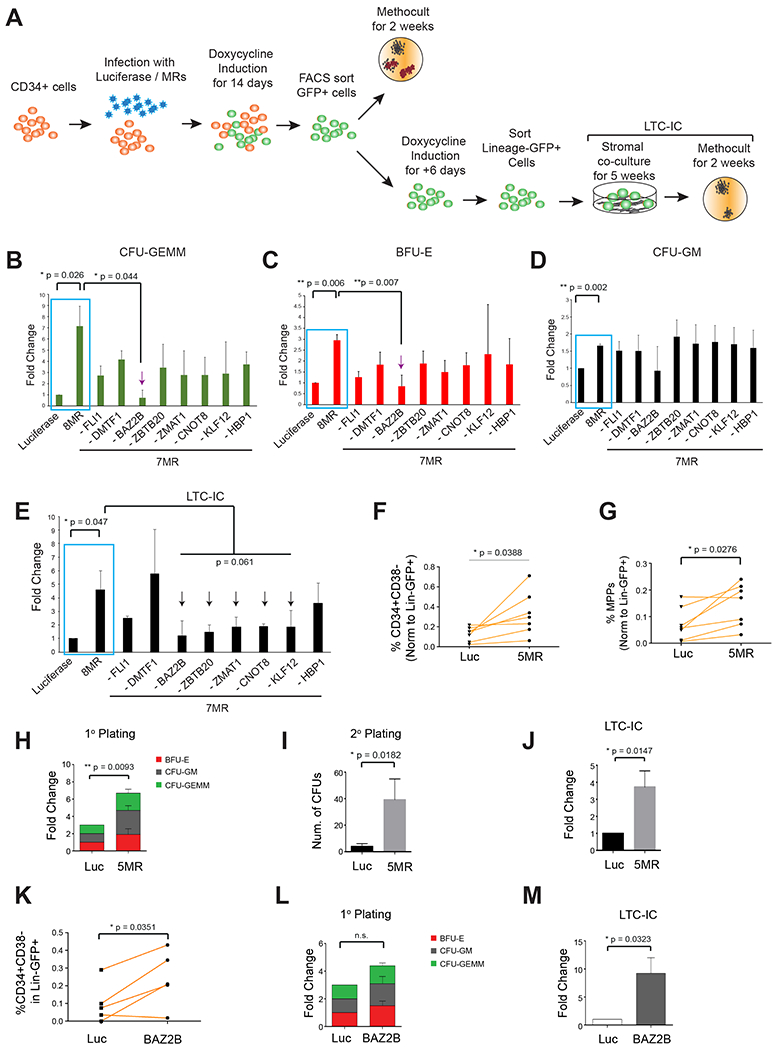
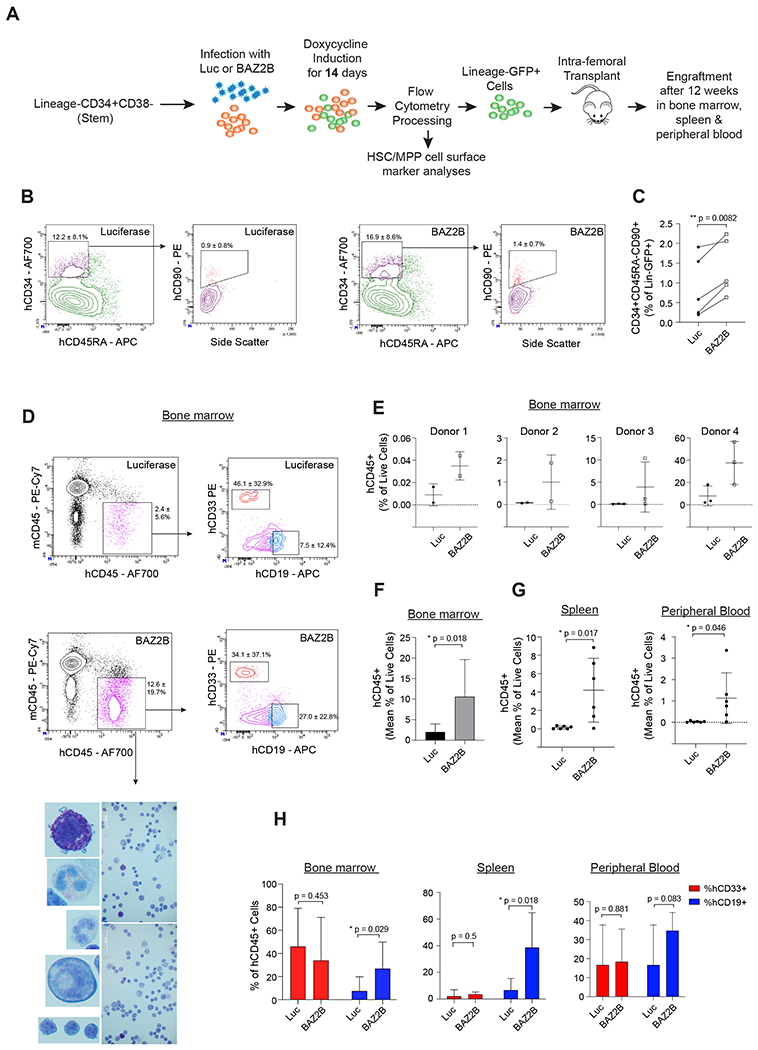
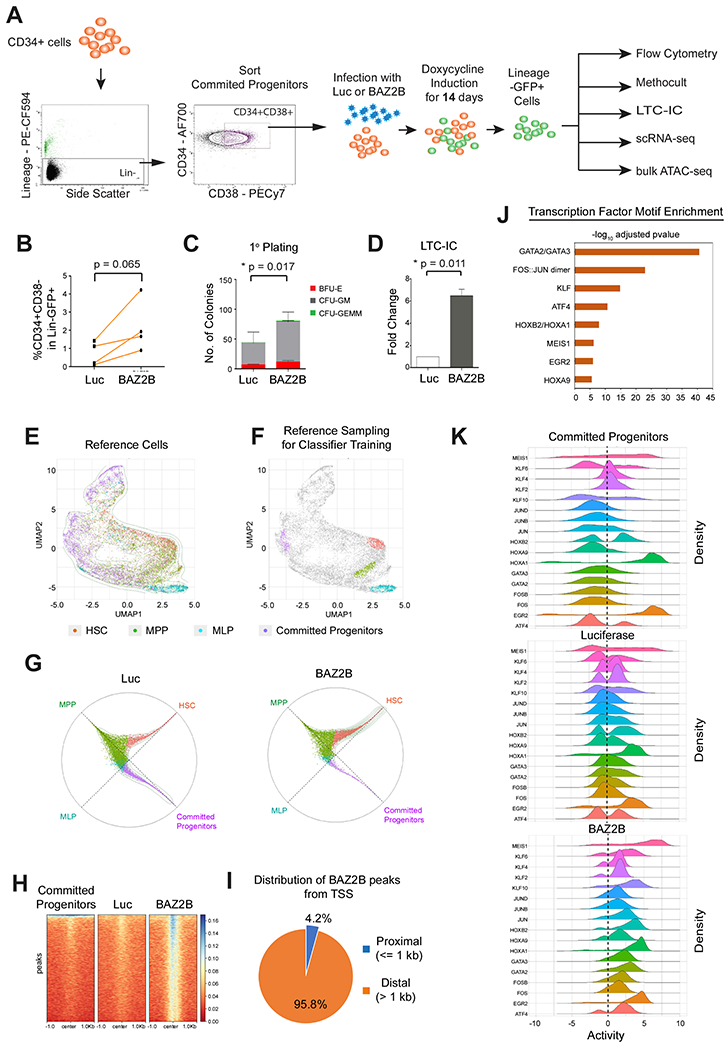
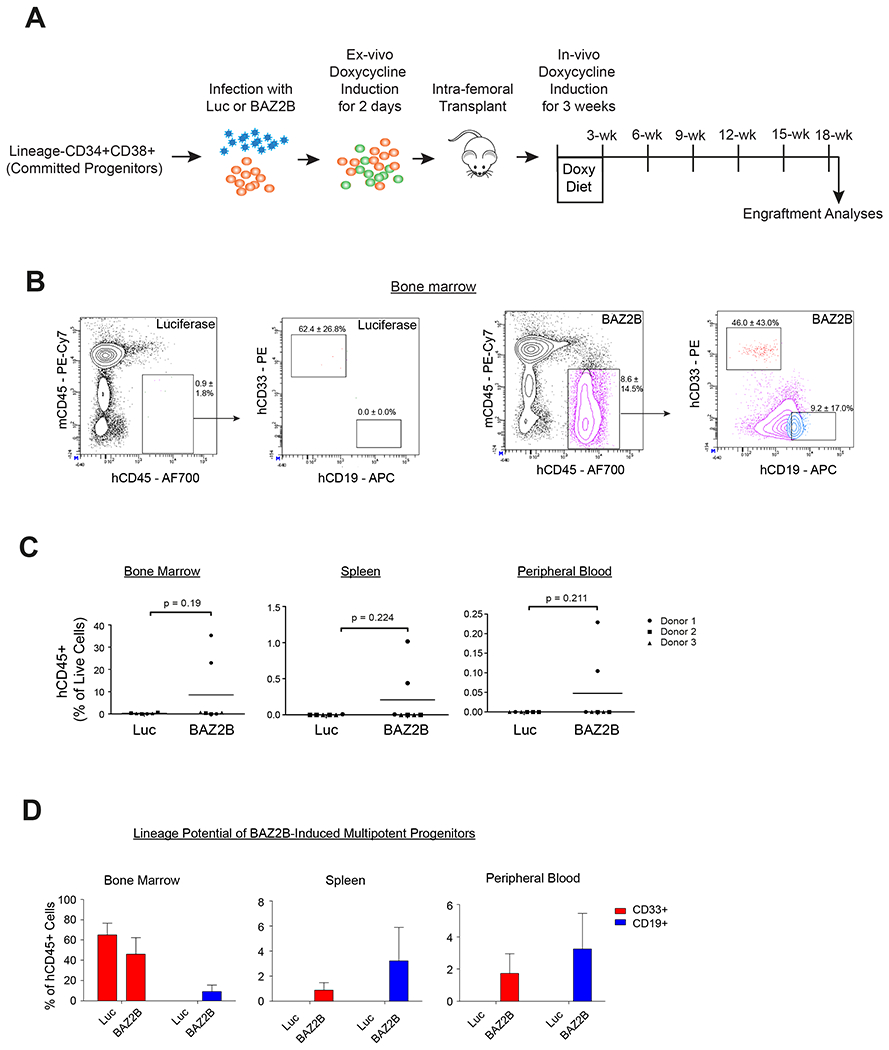
Bi-species, fusion-mediated, somatic cell reprogramming allows precise, organism-specific tracking of unknown lineage drivers. The fusion of Tcf7l1-/- murine embryonic stem cells with EBV-transformed human B cell lymphocytes, leads to the generation of bi-species heterokaryons. Human mRNA transcript profiling at multiple time points permits the tracking of the reprogramming of B cell nuclei to a multipotent state. Interrogation of a human B cell regulatory network with gene expression signatures identifies 8 candidate master regulator proteins. Of these 8 candidates, ectopic expression of BAZ2B, from the bromodomain family, efficiently reprograms hematopoietic committed progenitors into a multipotent state and significantly enhances their long-term clonogenicity, stemness, and engraftment in immunocompromised mice. Unbiased systems biology approaches let us identify the early driving events of human B cell reprogramming.
Keywords: BAZ2B; cell fusion; chromatin remodeling; gene regulatory network; hematopoietic stem cells; master regulators; reprogramming; single cell sequencing; systems biology.
Copyright © 2020 The Author(s). Published by Elsevier Inc. All rights reserved.
Conflict of interest statement
Declaration of Interests A.C. is founder, equity holder, consultant, and director of DarwinHealth Inc., a company that has licensed some of the algorithms used in this article from Columbia University. Columbia University is also an equity holder in DarwinHealth Inc. A provisional US patent application (US 63/086,265) has been filed related to this work, with M.P.C., A.C., and K.A. as inventors. A US patent (10,790,040) has been awarded related to this work with A.C. as an inventor, assigned to Columbia University.
Figures
References
-
- Alvarez-Dolado M, Pardal R, Garcia-Verdugo JM, Fike JR, Lee HO, Pfeffer K, Lois C, Morrison SJ, and Alvarez-Buylla A (2003). Fusion of bone-marrow-derived cells with Purkinje neurons, cardiomyocytes and hepatocytes. nature 425, 968–973. - PubMed
Publication types
MeSH terms
Substances
Grants and funding
LinkOut - more resources
Full Text Sources
Other Literature Sources
Medical
Molecular Biology Databases
Research Materials
