


Caulerpa lentillifera (Sea Grapes) Improves Cardiovascular and Metabolic Health of Rats with Diet-Induced Metabolic Syndrome
- PMID: 33297424
- PMCID: PMC7762211
- DOI: 10.3390/metabo10120500
Caulerpa lentillifera (Sea Grapes) Improves Cardiovascular and Metabolic Health of Rats with Diet-Induced Metabolic Syndrome
Abstract
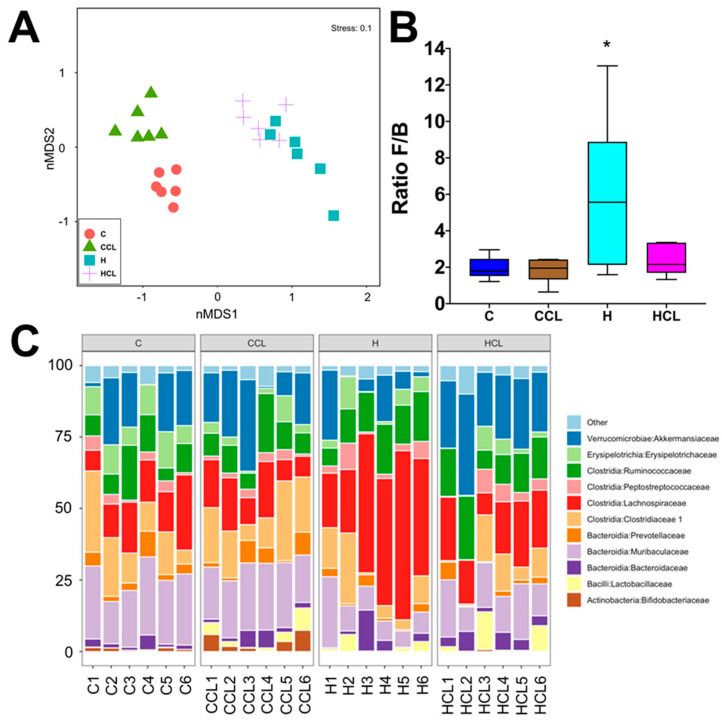
Caulerpa lentillifera (sea grapes) is widely consumed in South-East Asia as a low-energy food with high contents of vitamins and minerals. This study investigated dried sea grapes containing 16.6% insoluble fibre commercially produced in Vietnam as an intervention. We hypothesised that insoluble fibre is the primary metabolite that will reverse diet-induced metabolic syndrome. Male Wistar rats (n = 48) were randomly allocated to four groups in a 16 week protocol. Two groups were fed either corn starch (C) or high-carbohydrate, high-fat (H) diets for the full 16 weeks. The other two groups received C and H diets for eight weeks and then received C. lentillifera added to these diets for the final eight weeks (CCL and HCL, respectively). High-carbohydrate, high-fat diet-fed rats developed obesity, hypertension, dyslipidaemia, fatty liver disease and increased left ventricular collagen deposition. C. lentillifera supplementation in HCL rats decreased body weight, systolic blood pressure, plasma concentrations of total cholesterol and non-esterified fatty acids, inflammatory cells in heart and liver, and visceral adiposity. The Firmicutes to Bacteroidetes ratio decreased in the gut microbiota of HCL rats. Therefore, C. lentillifera attenuated cardiovascular and metabolic symptoms of metabolic syndrome in rats, possibly by preventing infiltration of inflammatory cells together with modulating gut microbiota.
Keywords: Caulerpa lentillifera; green seaweed; gut microbiota; metabolic syndrome; sea grapes.
Conflict of interest statement
The authors declare no conflict of interest.
Figures
References
-
- Famà P., Wysor B., Kooistra W.H., Zuccarello G.C. Molecular phylogeny of the genus Caulerpa (Caulerpales, Chlorophyta) inferred from chloroplast tufA gene1. J. Phycol. 2002;38:1040–1050. doi: 10.1046/j.1529-8817.2002.t01-1-01237.x. - DOI
-
- Paul N.A., Dworjanyn S.A., de Nys R. “Green Caviar” and “Sea Grapes”: Targeted Cultivation of High-Value Seaweeds from the Genus Caulerpa. Australian Flora Foundation; Willoughby, NSW, Australia: 2009. [(accessed on 30 June 2019)]. Available online: http://aff.org.au/wp-content/uploads/Paul_edible_seaweed_final.pdf.
Grants and funding
LinkOut - more resources
Full Text Sources
