


Identifying side effects of commonly used drugs in the treatment of Covid 19
- PMID: 33299085
- PMCID: PMC7725770
- DOI: 10.1038/s41598-020-78697-1
Identifying side effects of commonly used drugs in the treatment of Covid 19
Abstract
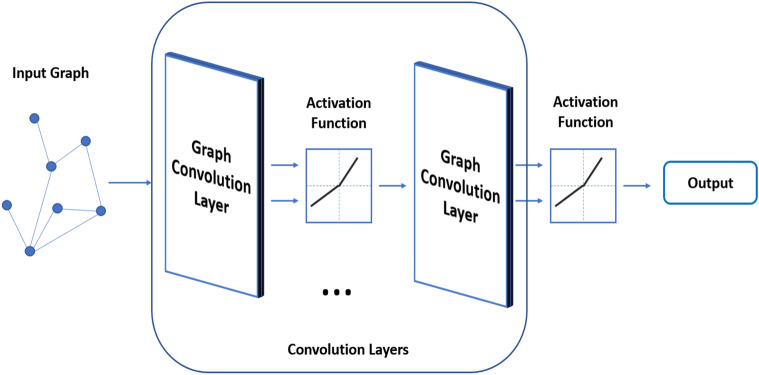
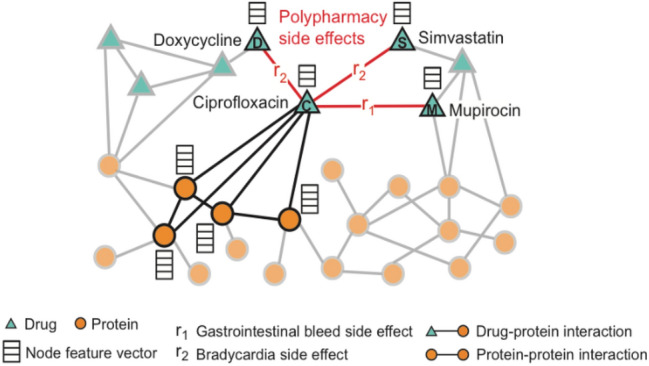
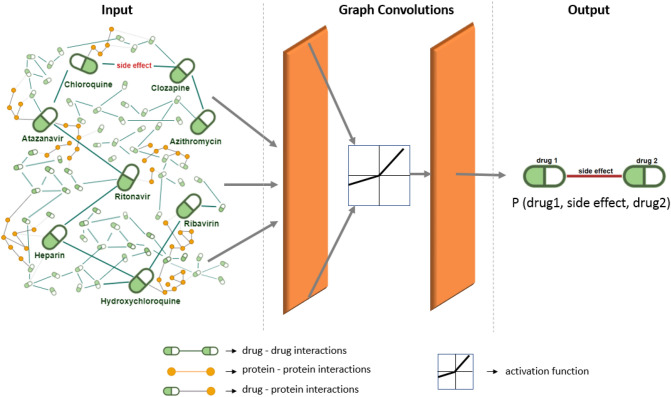
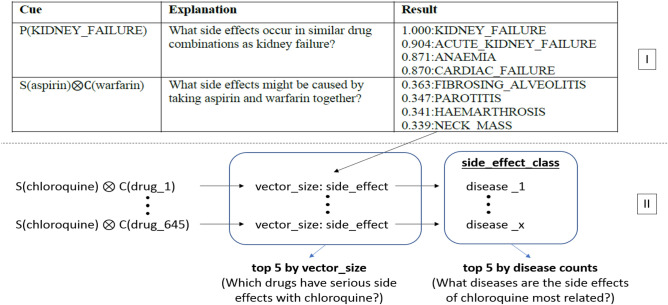
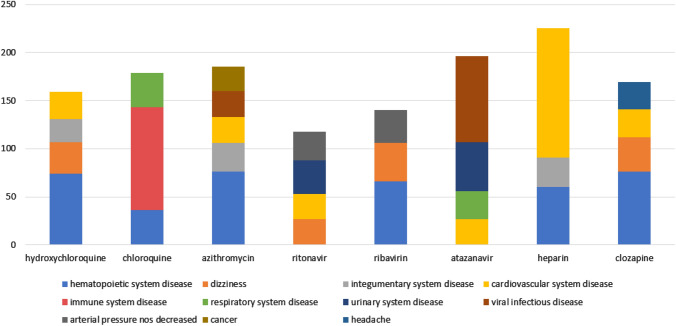
To increase the success in Covid 19 treatment, many drug suggestions are presented, and some clinical studies are shared in the literature. There have been some attempts to use some of these drugs in combination. However, using more than one drug together may cause serious side effects on patients. Therefore, detecting drug-drug interactions of the drugs used will be of great importance in the treatment of Covid 19. In this study, the interactions of 8 drugs used for Covid 19 treatment with 645 different drugs and possible side effects estimates have been produced using Graph Convolutional Networks. As a result of the experiments, it has been found that the hematopoietic system and the cardiovascular system are exposed to more side effects than other organs. Among the focused drugs, Heparin and Atazanavir appear to cause more adverse reactions than other drugs. In addition, as it is known that some of these 8 drugs are used together in Covid-19 treatment, the side effects caused by using these drugs together are shared. With the experimental results obtained, it is aimed to facilitate the selection of the drugs and increase the success of Covid 19 treatment according to the targeted patient.
Conflict of interest statement
The authors declare no competing interests.
Figures
References
-
- WHO Timeline. COVID-19. https://www.who.int/news-room/detail/27-04-2020-who-timeline---covid-19.
Publication types
MeSH terms
Substances
LinkOut - more resources
Full Text Sources
Medical
Research Materials
