


Biological and clinical aspects of HPV-related cancers
- PMID: 33299640
- PMCID: PMC7721094
- DOI: 10.20892/j.issn.2095-3941.2020.0370
Biological and clinical aspects of HPV-related cancers
Abstract
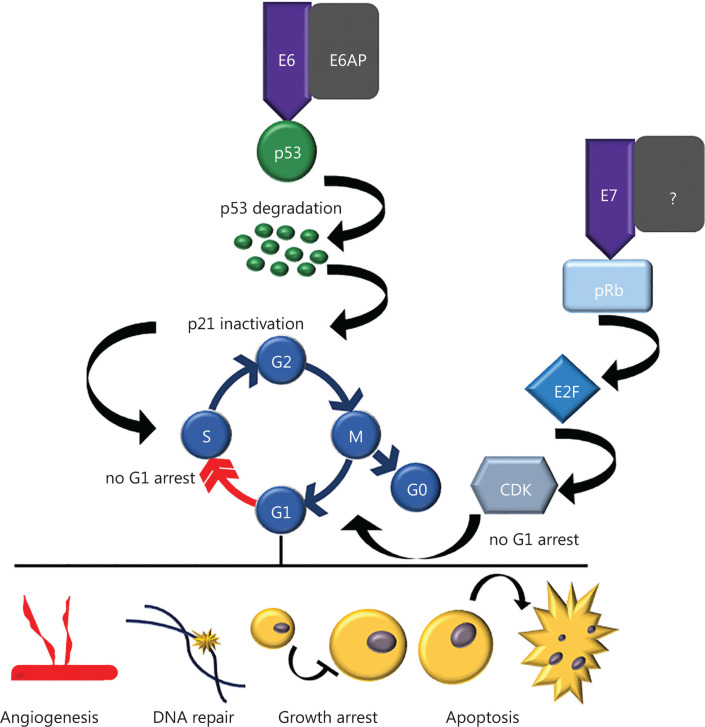
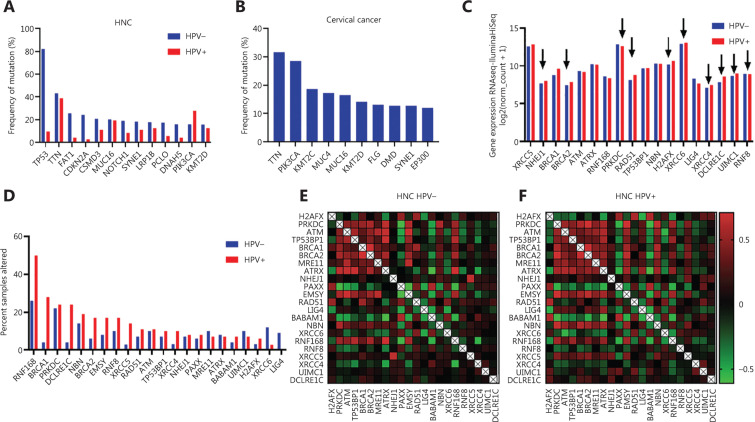
Cancer-related diseases represent the second overall cause of death worldwide. Human papilloma virus (HPV) is an infectious agent which is mainly sexually transmitted and may lead to HPV-associated cancers in both men and women. Almost all cervical cancers are HPV-associated, however, an increasing number of head and neck cancers (HNCs), especially oropharyngeal cancer, can be linked to HPV infection. Moreover, anogenital cancers, including vaginal, vulvar, penial, and anal cancers, represent a subset of HPV-related cancers. Whereas testing and prevention of cervical cancer have significantly improved over past decades, anogenital cancers remain more difficult to confirm. Current clinical trials including patients with HPV-related cancers focus on finding proper testing for all HPV-associated cancers as well as improve the currently applied treatments. The HPV viral oncoproteins, E6 and E7, lead to degradation of, respectively, p53 and pRb resulting in entering the S phase without G1 arrest. These high-risk HPV viral oncogenes alter numerous cellular processes, including DNA repair, angiogenesis, and/or apoptosis, which eventually result in carcinogenesis. Additionally, a comprehensive analysis of gene expression and alteration among a panel of DNA double strand breaks (DSB) repair genes in HPV-negative and HPV-positive HNC cancers reveals differences pointing to HPV-dependent modifications of DNA repair processes in these cancers. In this review, we discuss the current knowledge regarding HPV-related cancers, current screening, and treatment options as well as DNA damage response-related biological aspects of the HPV infection and clinical trials.
Keywords: DNA repair; HNC; Human papillomavirus (HPV); cancer statistics; cervical cancer; clinical trials.
Copyright: © 2020, Cancer Biology & Medicine.
Conflict of interest statement
Conflicts of interest statement No potential conflicts of interest are disclosed.
Figures
References
-
- EGDAHL A. WHO: World Health Organization. Ill Med J. 1954;105:280–2. - PubMed
-
- Singh Jatinder, Olabode Reference Centers for Disease Control and Prevention. Indian J Pharmacol. 2004;36:268–9.
-
- Siegel RL, Miller KD, Jemal A. Cancer statistics, 2020. CA Cancer J Clin. 2020;70:7–30. - PubMed
-
- Plummer M, de Martel C, Vignat J, Ferlay J, Bray F, Franceschi S. Global burden of cancers attributable to infections in 2012: a synthetic analysis. Lancet Glob Health. 2016;4:e609–16. - PubMed
-
- Doorbar J, Quint W, Banks L, Bravo IG, Stoler M, Broker TR, et al. The biology and life-cycle of human papillomaviruses. Vaccine. 2012;30:F55–70. - PubMed
Publication types
MeSH terms
Substances
Grants and funding
LinkOut - more resources
Full Text Sources
Other Literature Sources
Medical
Research Materials
Miscellaneous